
Infrared Heating: Exploring Efficiency, Costs, and Comparisons to Other Heating Systems
December 30, 2024
How to Design and Install a Solar PV System for Your Home: A Complete Guide
January 31, 2025
Key Takeaways
- Solar-assisted heat pumps (SAHPs) use solar energy to assist in hot water heating, offering energy efficiency and reducing carbon footprints.
- Professional installation is crucial for system performance and to ensure proper sizing, compatibility, and efficiency.
- A pre-installation assessment is essential to determine energy needs and the number of solar panels required.
- A hot water cylinder is often necessary for larger properties or higher demand to store hot water.
- Regular maintenance ensures long-term efficiency and performance, with annual servicing recommended.
- Hiring certified installers guarantees a smooth installation process and optimal system operation.
What are solar-assisted heat pumps (SAHPs)? With these systems, utilising the sun's energy and air temperature, you can minimise dependence on conventional heating systems and enjoy the combined benefits of being eco-friendly and saving money. As worries about energy use and climate change grow, SAHPs are coming into favour for their capacity to decrease carbon footprints and cut power bills.
In this guide, we’re going to focus on the installation process for solar-assisted heat pumps, answering some of the most common questions, including “How long does it take to install a solar-assisted heat pump?” or “Do I require a hot water cylinder with a solar-assisted heat pump?” If you are considering a SAHP for your home or business, knowing the installation process is vital for acquiring great performance and efficiency.
Table Of Content
- Key Takeaways
- Table Of Content
- What Is a Solar-Assisted Heat Pump (SAHP)?
- Solar-Assisted Heat Pump Installation Process
- Pre-Installation Assessment for Solar-Assisted Heat Pumps
- Choosing the Right Solar-Assisted Heat Pump for Installation
- Step-by-Step Solar Assisted Heat Pump Installation Timeline
- Testing and Commissioning the Solar-Assisted Heat Pump
- Do I Need a Hot Water Cylinder for a Solar-Assisted Heat Pump?
- How Many Solar Panels Do I Need for a Solar-Assisted Heat Pump?
- Can a Solar-Assisted Heat Pump Provide Heating for My Entire Home?
- Solar Assisted Heat Pump Maintenance: What You Need to Know
- Why Hire a Professional for Solar-Assisted Heat Pump Installation?
- Conclusion
What Is a Solar-Assisted Heat Pump (SAHP)?

A solar-assisted heat pump is an advanced hot water heating system that uses the dual function of a heat pump and solar energy combined for hot water heating. The heat pump removes heat from the air, earth, or water, and the solar panels collect solar energy to operate the system. If SAHP operates on a hybrid principle, power consumption becomes dramatically minimised, reducing dependence on electricity or fossil fuels, resulting in less energy consumption.
One of the key advantages of SAHPs is their energy efficiency. SAHPs also dramatically reduce the carbon footprint of a home or business by relying on renewable energy sources from the sun and ambient air. The system works with a very high coefficient of performance (COP); it gives more energy than it consumes. This means lower energy bills and a beneficial environmental effect.
The effectiveness of the SAHP hinges on its proper installation. Properly setting up the system, including positioning the solar panels for optimal sunlight exposure and ensuring the heat pump is correctly sized for the property, is essential for maximum performance. Bad installation can also make systems less efficient, cause them to use more energy, or even make them fail. So, hiring professionals for the installation makes sure that all components are integrated and calibrated properly so that the system functions in its optimal operational state.
Solar-Assisted Heat Pump Installation Process
Pre-Installation Assessment for Solar-Assisted Heat Pumps
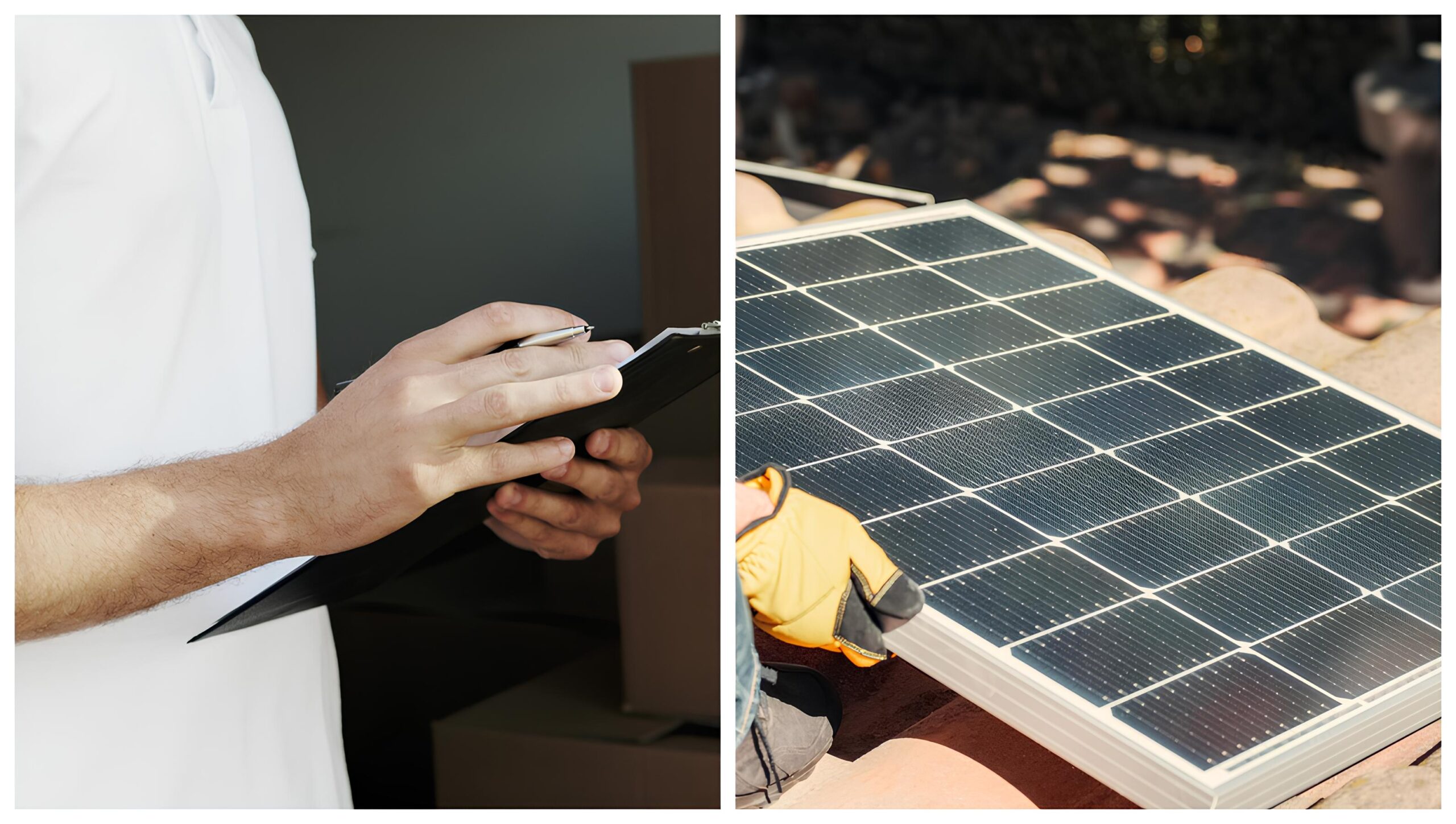
The pre-installation assessment is the first and one of the most critical steps in your solar-assisted heat pump installation process. The survey of the property needs to be thorough enough to ensure that the system will be designed specifically for the energy needs of the home or business. During this step, technicians survey the size and shape of the property, current energy usage, and the best position for solar panels. They’ll also look at things like roof space, sun absorption, and possible shading problems to figure out the best spots for panels to capture the most energy.
So, one of the primary things that we would assess is how many solar panels do you need to run the system? You cannot give an exact number of how many panels you need because it depends on how much energy your property requires, where you live, and how efficient your chosen heat pump is. For example, if your property is bigger or in a more sun-deprived area, you may need more panels to generate enough power. A typical residential SAHP system might use around 4 to 10 solar panels, though this varies depending on the project. The technician will determine how many of these systems are needed based on those variables, ensuring that the system runs efficiently.
Choosing the Right Solar-Assisted Heat Pump for Installation
Choosing the ideal solar-assisted heat pump for your property is an essential step in the installation process. Many different factors need to be accounted for to ensure that the system is capable of providing all the heat for hot water that you will require without wasting energy.
The first factor is how big the property is. In general, larger homes will require more powerful systems to meet water heating needs, while smaller homes will get away with a more compact unit. Energy use patterns are also a factor; properties with more energy-hungry systems will require a larger system to effectively service those demands.
One of the most important influencers of the ideal SAHP is a climate. In regions with lower temperatures, a system with greater heating power is needed because solar energy can no longer cope. And the efficiency of the heat pump is also dependent a lot on the ambient temperature of the area, so selecting a model that suits your local climate will be important.
Find an installer that will assess these criteria and recommend a properly sized heat pump to serve your needs, both efficiently and effectively.
Step-by-Step Solar Assisted Heat Pump Installation Timeline

There are key steps to installing a solar-assisted heat pump system Here’s a detailed overview of the standard installation process:
Preparation and Site Assessment (1–2 Days)
The first stage, following an initial pre-installation survey, is the site's preparation. This includes clearing space for both the heat pump and solar panels to be installed. Structural evaluations, if required, are conducted to ascertain whether the roof or ground where the panels are to be installed is able to support the system. During this time, the team will also organise all the tools, materials, and equipment necessary.
Solar/Thermodynamic Panel Installation (1–2 Days)
The solar or thermodynamic panels are then installed. This usually means mounting the panels onto the roof or other ideal location and having them angled properly to collect as many sun rays as possible. Next, the electrical wiring runs from the panels to the heat pump unit. How long does a roof inspection take? This process typically takes one to two days, depending on the size of the system and the type of surface.
Heat Pump Installation (1–2 Days)
The heat pump mechanism is then fitted in an appropriate position, usually outside of the property. It must be installed in an area that is sufficient for airflow but close to the building’s heating and hot water systems. After it’s in place, the unit is hooked up to the solar panels and integrated into the home’s existing plumbing and electrical systems.
System Integration and Wiring (1 Day)
The next step is going to be hooking the heat pump into the property’s energy grid to ensure it plays nicely with the solar panels. They will thoroughly test all of the systems and troubleshoot anything that does not operate correctly before the project is finished. As part of this stage, the heat pump will be connected to the hot water cylinder, and all systems will be put in place to enable the transfer of heat efficiently.
Final Testing and Calibration (1 Day)
The last phase of installation is extensive testing of the whole system. They will turn on the system, check for errors and check if everything is correctly adjusted. This includes testing the heat pump’s ability to heat your water and confirming that the thermodynamic/solar panels produce enough energy. Once all is functioning correctly, the system is then tuned for peak performance.
How long does it take to install a solar-assisted heat pump?
In total, the installation process typically takes between 3 to 6 days, depending on factors such as property size, system complexity, and weather conditions. A professional installer can provide a more accurate timeline based on the specifics of the installation.
Testing and Commissioning the Solar-Assisted Heat Pump
After installing the solar-assisted heat pump, the other crucial step is testing and commissioning the system. The purpose of this stage is to validate that the system is working correctly and all components are in sync with one another.
First, technicians perform a comprehensive system check to ensure solar/thermodynamic panels receive enough sunlight and air temperature to produce the required energy. They will also inspect the efficiency of the heat pump to confirm that it is generating the required heat for the property. If the appliance runs on electronics, any electrical connections are well tested to prevent problems in power supply or operations of the system.
After verification, the system is calibrated for the best performance. This is achieved by controlling the settings, like the thermostat and timers, to help the heat pump function efficiently and use energy effectively. Sometimes the system is monitored a short time after installation to ensure it is performing as specified.
Furthermore, they perform a final inspection of the installation, verifying that all components are securely attached and the system meets local codes and safety standards. Once validated, the entire system is commissioned and can provide efficient heat and hot water to the property.
Do I Need a Hot Water Cylinder for a Solar-Assisted Heat Pump?
In many cases, the installation of a solar-assisted heat pump will require a hot water cylinder. Its main function is to store the hot water produced by the heat pump for later needs to provide a sustained supply of hot water throughout the day, even when solar generation is low or the heat pump is not running.
For properties that need lots of hot water or have high heating needs, a hot water cylinder is essential. Water is heated by the heat pump and is stored in the cylinder for when its needed. This also creates always hot water in the system, so it does not fluctuate in periods of high demand, like in the morning or in the evening, for example.
But a hot water cylinder isn’t always required. If the need for energy is reasonable, smaller homes or properties with lower hot water demand may be operated using a solar-assisted heat pump without a cylinder. However, it is common for a hot water cylinder to be included anyway, as this can allow the system to function more efficiently and perform better as it has a greater ability to store the energy gathered than if there was no cylinder, but in essence, they are not required unless other heating sources are needed to be avoided.
How Many Solar Panels Do I Need for a Solar-Assisted Heat Pump?
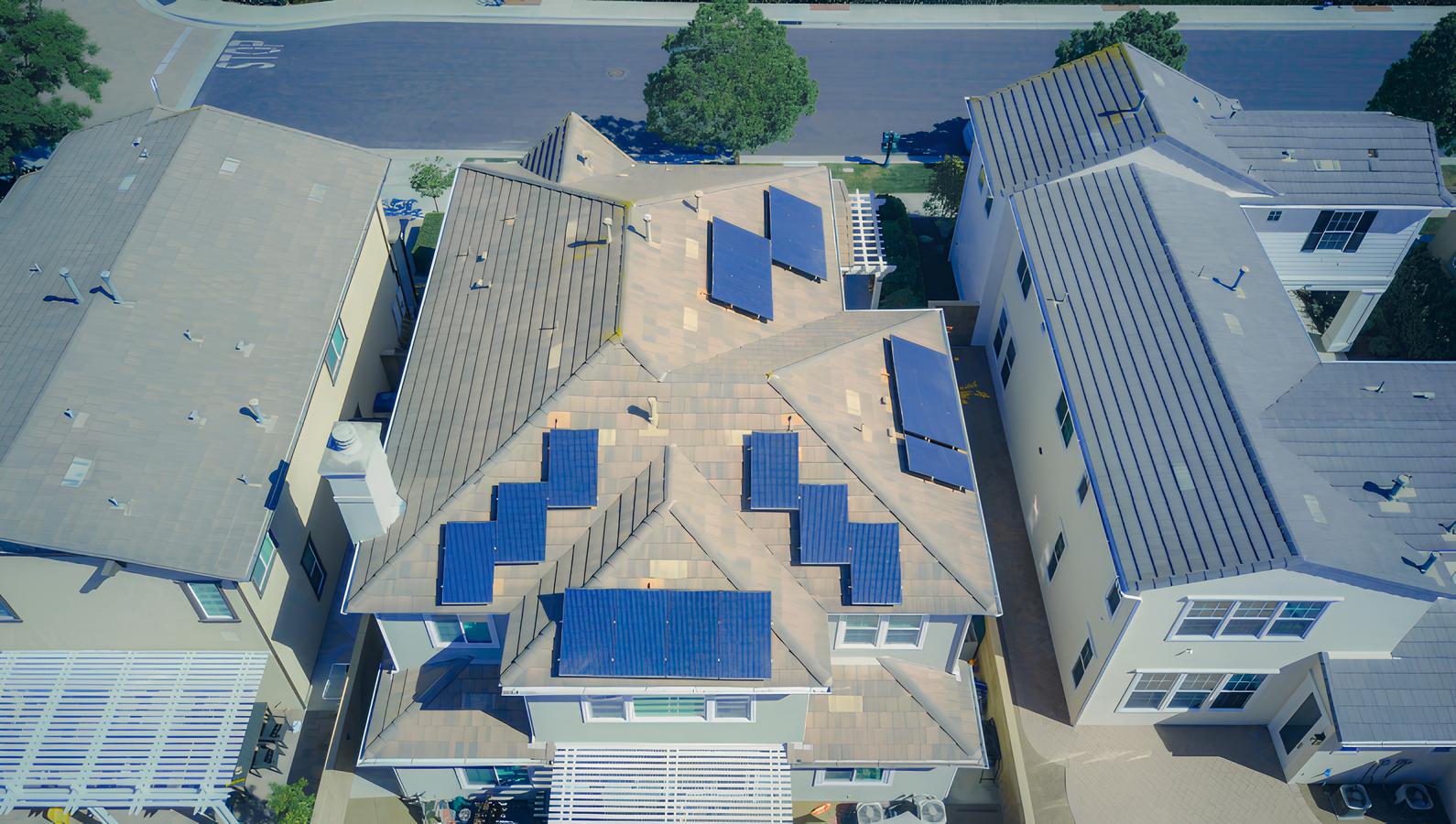
The number of solar panels needed for a solar-assisted heat pump will vary depending on energy consumption, the local climate, and which heat pump system is selected. In homes that use more energy due to their larger size, more panels will be needed to help produce enough energy to run the system. On the other hand, smaller houses might require fewer panels.
And the local climate is also a major factor. Regions receiving more sunlight will require fewer panels in comparison to areas with less available sunlight or colder temperatures, where additional panels may also be put in toward ensuring your system works year-round.
Correct sizing is very important to ensure the SAHP operates at optimal conditions. Undersized systems might not produce enough energy to satisfy heating needs, and oversized systems can cause inefficiency and increased initial outlay. A professional evaluation ensures that an appropriately sized number of panels is installed based on energy needs and environmental factors, optimising efficiency and cost-effectiveness.
Can a Solar-Assisted Heat Pump Provide Heating for My Entire Home?
A solar-assisted heat pump can heat many homes if paired with water transfer systems like underfloor heating, radiators, etc. And it depends on the size of the home, insulation and local climate conditions. A SAHP can happily supply heating and hot water for your home if it is a small property or well insulated. This system gets help from solar energy to the heat pump, reducing dependence on electricity or other energy sources.
For larger homes or properties in particularly cold climates, a single SAHP may be insufficient to adequately cover heating needs, especially during winter months when the solar energy harvest is reduced. In these scenarios, supplemental heat sources, like a backup electric or gas heater, might need to be installed to ensure comfort during peak occupancy times.
A professional consultation can assess your energy needs to advise whether a SAHP will serve your whole home or if hybrid heating would better suit you.
Solar Assisted Heat Pump Maintenance: What You Need to Know

Solar-assisted heat pump maintenance is vital for its overall efficiency and long-term effects. Proper maintenance prevents unwanted repairs, decreases energy use, and expands the system's life.
Essential maintenance tasks will consist of cleaning the solar panels to make sure that they are able to absorb maximum sunlight, checking the heat pump to check for signs of any wear and tear or damage, and ensuring that the refrigerant levels in the heating system are correct. It is also essential to check the hot water cylinder and any connected pipes for leaks or signs of corrosion.
Regular maintenance of the air conditioning system should also be performed by a professional annually to keep the system running smoothly and efficiently. The technician will verify that the solar and heat pump components are working as designed, test the overall performance of the system, and clean any filters.
As well as this, to maintain consistent performance of the system, it is required to monitor the energy output of the panels and also to ensure that nothing is built or placed around the panels. Routine maintenance of SAHP optimises its efficiency, which in turn is important in cutting down on energy costs and reducing environmental pollution.
Why Hire a Professional for Solar-Assisted Heat Pump Installation?

Having a certified installer means that the individual has the required knowledge and training to ensure that the system is installed according to manufacturer specifications, as well as local codes; this will help guarantee optimum performance and safety. They’ll evaluate your property’s unique requirements, such as energy consumption, available space, and environmental conditions, to suggest the best system for you.
Conclusion
Solar-assisted heat pumps have proven to be an eco-friendly overall solution for all hot water heating requirements. Maximising their benefits comes down to what is often known as proper installation and maintenance. If you’re considering an SAHP, contact Scottish Energy Saving for expert installation tailored to your home’s needs and ensure optimal performance for years to come.