
How does infrared heating work? Explained: Benefits, Costs, and How to Install Panels
October 11, 2024How Much Does Solar PV Cost? All You Need To Know
November 19, 2024
Key Takeaways
- The solar-assisted heat pump cost of installation can vary but is typically between £6,000 and £10,000.
- SAHPs save on bills as they rely on thermal energy from the sun to help power a building which costs less compared to traditional heating methods.
- These systems are suitable for most homes, but you typically need to have a space that allows for direct sunlight, and has a decent climate.
- Solar-assisted heat pumps last between 15-25 years in most cases, depending on the quality of installation.
- You can combine SAHPs with traditional heating methods to create a hybrid system.
- Government incentives and schemes can be available in the future to help you save more on solar-assisted heat pump installations. Get in touch to check the most recent info.
Solar-assisted heat pumps (SAHPs) use the synergy of renewable solar energy and efficient heating technology, presenting a green solution for a residential hot water heating system. These systems produce hot water, lower monthly energy bills and move you closer to a Net Zero Energy lifestyle.
However, the initial installation cost still plays a big role in swaying many homeowners. This guide will explain different components of investment in SAHPs, such as their upfront costs, possible savings, the system's life expectancy, how well they can be integrated with your existing heating systems, and government incentives so that you can make the best decision for yourself.
Table Of Content
- Key Takeaways
- Table Of Content
- How much does it cost to install a solar-assisted heat pump?
- How does a solar-assisted heat pump save energy bills?
- How long does a solar-assisted heat pump last?
- Can a solar-assisted heat pump be integrated with existing heating systems?
- What kind of savings can I expect in the first year with a solar-assisted heat pump?
- Are there any government incentives or rebates for installing a solar-assisted heat pump?
- Conclusion
How much does it cost to install a solar-assisted heat pump?

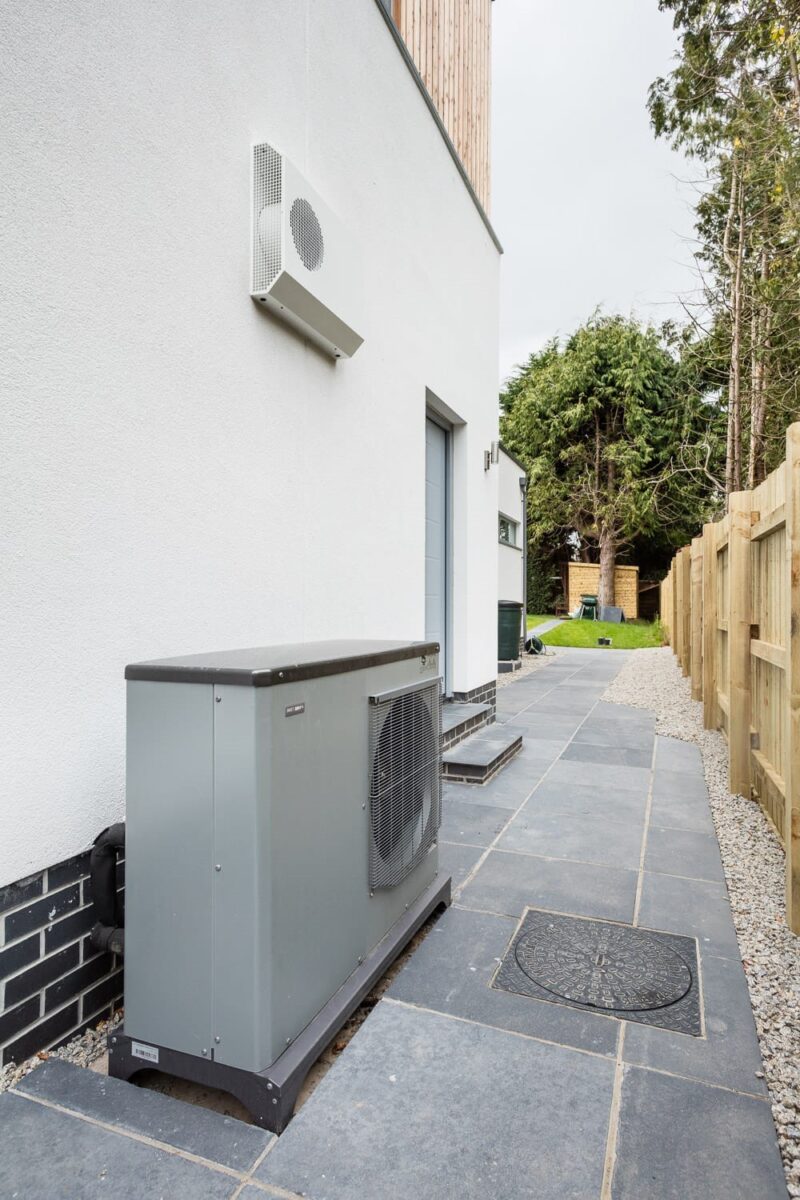
A solar-assisted heat pump, similar to air source heat pump swill likely have a more modest average installation cost of between £6,000 and £10,000. That figure includes costs for both machinery and labour. The most significant parts of the total cost you end up paying include a heat pump unit, solar pv, and other things that must be installed for the system to work efficiently.
The entire cost of installation can be highly variable for a few reasons. It can vary based on system size, location, installation complexity, and local labour rates. Larger heat pump systems generally require larger components of equipment as well as extra design and build work, which is why they can be more expensive. The price will also depend on what you need. For example, homes in regions with more extreme climates may also need heftier solutions for heating water or assisting with underfloor heating.
Although the up-front cost might appear large, it is imperative to understand the savings you will have on fuel bills over time that SAHPs produce. This may mean that homeowners will have to pay off the upfront investment within 5-10 years, depending on many factors, including energy usage and local electricity tariffs. While the upfront costs to purchase and install an SAHP are high, with increased energy prices and potential government incentives in place, investing in this emerging technology would result in significant savings over time, which makes it an appealing option for homeowners interested in increasing their efficiency.
How does a solar-assisted heat pump save energy bills?

Solar-assisted heat pumps work differently from air-source heat pumps or ground-source heat pumps as they leverage both solar panels as a renewable resource alongside heat pumps. They leverage the technology's energy efficiency while reducing electricity demand. They work by harvesting heat from the environment—whether in the air or ground—and using solar energy (a renewable energy source) to drive the compressor and other parts. The combination of heat from two sources enables SAHPs to maintain a steady source of warming hot water without sacrificing conventional power.
In terms of energy efficiency, SAHPs are much better than conventional heat sources such as gas or electric boilers as they use components such as solar panels, a hot water cylinder, and a heat exchanger to generate hot water. A conventional boiler typically operates at an efficiency of between 70 and 90 per cent, while a SAHP may achieve a heat factor over 300 per cent as it moves heat rather than creates it. This means that a SAHP can supply three to four units of heat for the same amount of electricity used.
It could lead to big savings on home energy bills. Solar thermal systems like these save between £300-£600 a year off energy bills, depending on the size of the system, climactic location, and how much you use. These savings could be even greater in areas with higher energy rates or colder climates. With the relentless rise in energy prices, solar-assisted heat pumps pay for themselves year after year. They are a wise investment for homeowners looking to save pennies on electricity bills and who want to reduce carbon emissions.
Is a solar-assisted heat pump suitable for my home?

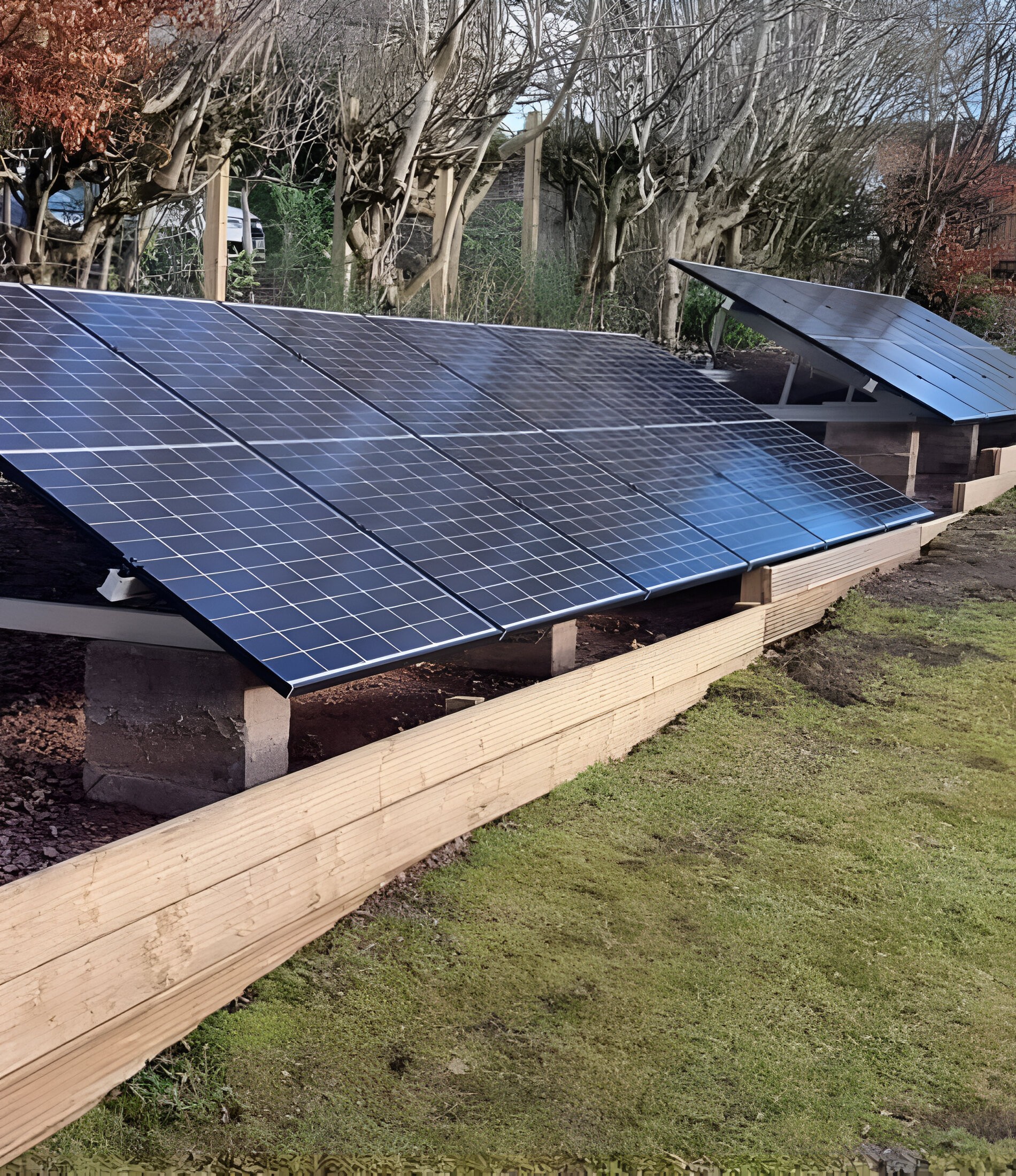
Whether a solar-assisted heat pump is right for your home comes down to some of the following factors. First, you need enough roof to install the solar thermal panels on. Ideally, the area you choose should be specifically cleared off so that most of the day, sunlight is well-directed at your solar panels. The setup may also provide poor results if you have a roof blanketed by trees or other buildings that leave the panels in the shade for too long each day.
Additionally, make sure that the climate of the area is suitable. SAHPs are most effective in temperate climates with few days per year when the temperature dips below freezing. However, thanks to technology, many systems can still work in the bitter cold. Another thing to consider is the size of your home—larger houses will generally need more capacity to operate effectively.
SAHPs are particularly well-suited to certain property types, like single-family homes and more energy-efficient properties with good insulation and energy management practices in place. These houses will be more receptive to energy savings from using SAHPs.
If you are a homeowner and question whether or not solar is right for you, get a free professional assessment from specialists such as those at Scottish Energy Saving. Your energy needs, roof layout, and local climate conditions can be assessed to help you make your decision. Performing a comprehensive review will help you discover if utilising a solar-assisted heat pump is appropriate and advantageous for your particular setting.
How long does a solar-assisted heat pump last?
Most solar-assisted heat pump units last 15-25 years, which is a long-lasting solution for any resident. However, this longevity will depend on several factors.
The quality of the installation is one of the most substantial factors that impact an SAHP's lifespan. Having a proper installation will keep your system running smoothly and prevent it from breaking down or malfunctioning. Furthermore, proper maintenance and service are key to a longer-lasting heat pump. Regular check-ups, dusting and cleaning of your system will notify you early of any possible threats to its condition so they could be fixed before getting worst.
Usage patterns also determine how long a SAHP will remain in its role. Homes that use their heating system year-round may be subjected to more regular wear and tear than those which only heat seasonally. Knowing what your home actually needs can help you select a unit tailored to the way you live in and use your home.
A longer life span of SAHPs can lead to benefits for the returns on investment. Although the price of the initial installation might be a little higher compared to traditional heating systems, the longer life span and cost savings in your energy bills that you experience ultimately cover that cost. For homeowners, the good news is that you can take advantage of efficient heating without losing money in the long run, as a solar-assisted heat pump can help recoup your investment through significantly lower energy costs.
Can a solar-assisted heat pump be integrated with existing heating systems?

The short answer is yes. Solar-assisted heat pumps can be easily joined to existing gas—or oil-fired heating systems to create a hybrid system that significantly improves the efficiency of an installation as a whole. This integration allows homeowners to leverage the benefits of solar in addition to their current heating sources, particularly during peak demand or severe weather conditions.
One of the benefits of a hybrid system, above all, is increased efficiency. This is where hybrid heating systems combine the benefits of both methods to provide homeowners with a balanced way of keeping their homes warm. This can mean the SAHP provides most of your heating during milder weather (with renewable energy from the sun). On the other hand, if temperatures fall below their load point, a home's standard heating system can be turned on to maintain comfort, lessening the burden on both systems. This dramatically decreases energy bills, as people can now use the highly efficient SAHP for almost all their heating needs.
Hybrid systems are also versatile, giving homeowners the option to customise their heating solutions based on their requirements and desires. That adaptability can be especially handy for people living in areas with varied climatic conditions.
However, there are scenarios that may not be possible to integrate or may end up being expensive. For instance, if the existing heating system is old and incompatible with modern SAHP technology, it may be more cost-effective to consider replacing it with a newly installed SAHP or other heating sources.
Consulting with a qualified HVAC professional from Scottish Energy Saving can help homeowners assess their current systems and determine the best approach for integration or replacement, ensuring optimal efficiency and performance.
What kind of savings can I expect in the first year with a solar-assisted heat pump?
The average usage and system performance will make savings in energy bills of £300 to £600 per year for many users. For example, with many households spending about £1,500 a year on heating, those costs might fall to around £900-£1,200 after installing an SAHP. Savings vary depending on factors such as energy prices, climate and current usage patterns.
As such, the payback period is also crucial in assessing an investment. In most cases, homeowners can expect to break even on their investment within roughly 5 to 10 years. Of course, this timeline can change depending on installation costs, the level of government rebates, and reduced electricity consumption. Many homeowners see their SAHP paying for itself through significant savings on energy costs.
The overall savings are massively impacted by the local energy costs, too — i.e., the higher the cost of electricity there is, the more you will reduce your heating expenses. Meanwhile, how homeowners use the system — for example, what temperature they set their thermostat to or how energy efficient their home is — also remains crucial in determining savings.
Are there any government incentives or rebates for installing a solar-assisted heat pump?

At present, there are no specific grants or government schemes in Scotland for solar-assisted heat pumps (SAHPs). While renewable heating technologies such as heat pumps and solar thermal systems are generally supported by initiatives like Home Energy Scotland and other local council programs, these incentives do not apply directly to SAHP installations.
The Renewable Heat Incentive (RHI), which previously offered financial assistance for renewable heating solutions, has also ended, leaving no current national funding explicitly for SAHPs. Homeowners considering SAHPs may still benefit from reduced energy costs in the long term, but they will need to fund the installation costs independently.
For other renewable energy projects, it is worth checking with Home Energy Scotland or local authorities, as they occasionally offer specific grants or loans for certain technologies. It’s always advisable to confirm eligibility criteria and gather the necessary documentation, such as energy performance certificates, before exploring funding options for renewable energy investments.
Despite the absence of grants for SAHPs, these systems can still contribute significantly to reducing carbon emissions and greatly lowering energy bills over time, aligning with a more sustainable future.
Feel free to get in touch with us if you need any help with your installation!
Conclusion
Solar-assisted heat pumps offer significant long-term savings due to reduced energy consumption, efficiency, and environmental benefits. With various government incentives available, the initial investment can be more manageable, leading to quicker payback periods and increased returns on investment.
If you’re considering installing an SAHP in your home, now is the perfect time to take action. Contact Scottish Energy Saving today for expert guidance and support throughout the installation process. With a free, no-obligation energy assessment, we can help you transition to a more sustainable and cost-effective heating solution that benefits both your wallet (saving uop to 70% on your bills) and the planet.