
Best Air Source Heat Pumps in Scotland (2025 Buyer’s Guide)
May 19, 2025Slash Your Energy Bills by 30% with Solar-Assisted Heat Pumps: A Smart Move for Scottish Homes and Businesses
November 21, 2025
Key Takeaways
- Infrared heating panels offer one of the most efficient and cost-effective sources of warmth for Scotland’s cold, wet climate.
- Far infrared is the safest and ideal form of far infrared for home use.
- Wall-mounted panels, including thermostatic control, are ideal for lounges, kitchens and conservatories.
- Portable infrared heaters are great for renters, rural homes, and versatile spaces.
- For around £300 and under, some decent budget options will modestly heat small rooms or flats.
- Aesthetic panels, such as mirrors or art, pair function with style.
- Key purchase considerations are wattage, compatibility with a thermostat, moisture resistance, and safety.
- Infrared panels are highly compatible with solar PV and require minimal maintenance, lasting a long time.
High energy prices and increasingly colder Scottish winters have led to scores of home and business owners adopting infrared heating panels in recent years as a cost-effective and hassle-free way to heat their properties. These panels offer an efficient alternative for staying warm, particularly in properties with limited insulation, high ceilings, or off-grid living.
In this article, we’ll take a look at the best infrared heating panels available in Scotland in 2025, explore how they work, and show you how to choose the best one for your home, rental property or business. Whether you’re looking for ways to reduce heating bills on a country property, as a city landlord, or as a business owner, or just to keep your home toasty, this guide tells you all you need to know before investing.
What Are Infrared Heating Panels?

Because you don’t have to heat the air, infrared heating panels warm people and objects directly using the far-infrared range (yes, this includes the human body as well). It’s the sort of warmth that you feel from the sun on your skin – natural, quiet, and instant.
When it comes to Scottish homes and businesses, there are several notable advantages to choosing infrared heating. It heats cold stone or wood floors well and supplies reliable warmth that feels cosy in draughty or high-ceilinged rooms. It’s also especially well-suited for rural or off-grid properties where traditional systems are not feasible or cost-prohibitive.
There are three different types of infrared: near, mid, and far. In domestic settings, far infrared is the optimal choice, as it’s a safe, low-temperature radiation that gently heats the air around you without ever becoming hot enough to pose a hazard. It is so good for your long-term comfort that you can enjoy it even in family homes.
However, far infrared panels don’t circulate warm air like a convection heater and lose heat quickly – they radiate warmth into furniture, walls, and people, where it’s retained, reducing heat loss and saving energy. And they don’t create any dust, so they’re great for people with allergies.
In other words, far infrared panels deliver clean, quiet, focused heat, which is why they have been gaining traction as an energy-efficient solution for Scotland’s damp, energy-conscious and cold properties.
Best Infrared Heating Panels in Scotland (2025 Comparison)
Scotland’s weather is well known for needing heating that’s fast, efficient, and reliable; this is especially the case in older buildings, stone cottages, or in remote and off-grid locations.
Here, we examine four of the best types of infrared heating panels for 2025 and identify which units are most effective for use in Scotland.
Best Overall Infrared Panel (Scotland)

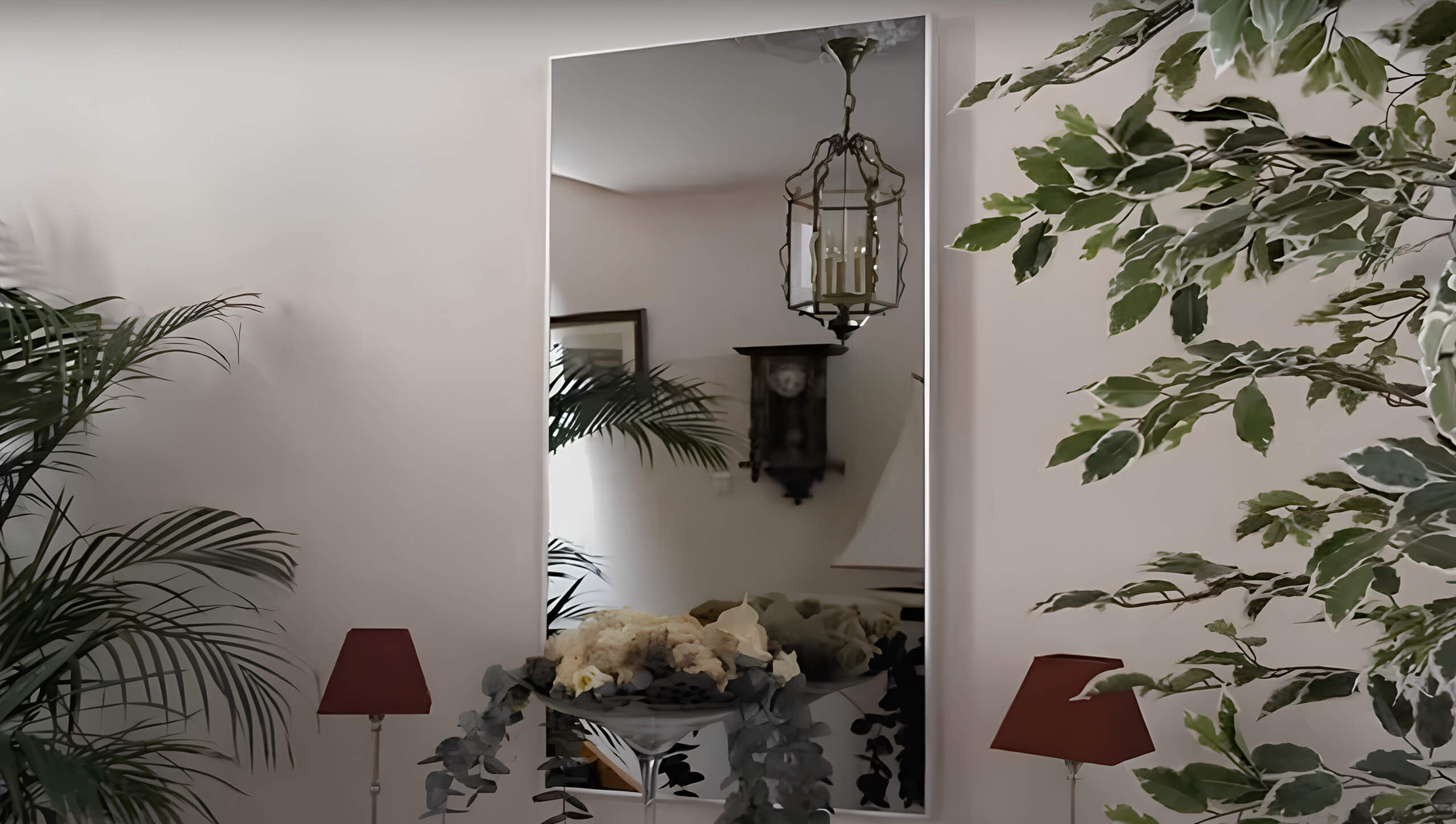
For a well-performing wall-mounted far-infrared panel that comes with a built-in thermostat, it's the best all-around option for the average Scottish home. These panels warm spaces evenly, without drying the air, and can be operated with either manual or smart thermostats. Choose a wattage output of about 500W to 900W, depending on the room size.
This style is well-suited to lounge spaces, kitchens, and even conservatories with north-facing walls or simply limited natural light. Panels with either an aluminium or glass surface tend to offer improved heat retention and efficiency, thus saving you money during long winter nights. Ensure you select models with UK/Scotland-specific accreditation and strong warranties.
At Scottish Energy Saving, we supply and install Flexel infrared heating panels which are trusted across Scotland for their reliability, efficiency, and clean design.
Best Portable Infrared Heating Panel
Infrared radiant heat warms people and solid objects, which is not only more efficient but also more comfortable than using a traditional space heater that blows hot air.
Portable panels are a convenient option for renters, freelancers, or those with a home in a rural area where a fixed installation does not make sense. A mobile, plug-in infrared panel with casters or a folding stand allows for flexible use in offices, guest rooms, or adjoining rooms.
These panels typically range from 300W to 600W and can heat rooms of various sizes, from small to medium. Don’t forget to check for adjustable thermostats, tip-over safety and low surface temperatures (a good choice around pets and kids). They are especially helpful in remote cabins, Airbnb-style rentals or temporary renovations when quick setup is key.
Best Budget Infrared Panel
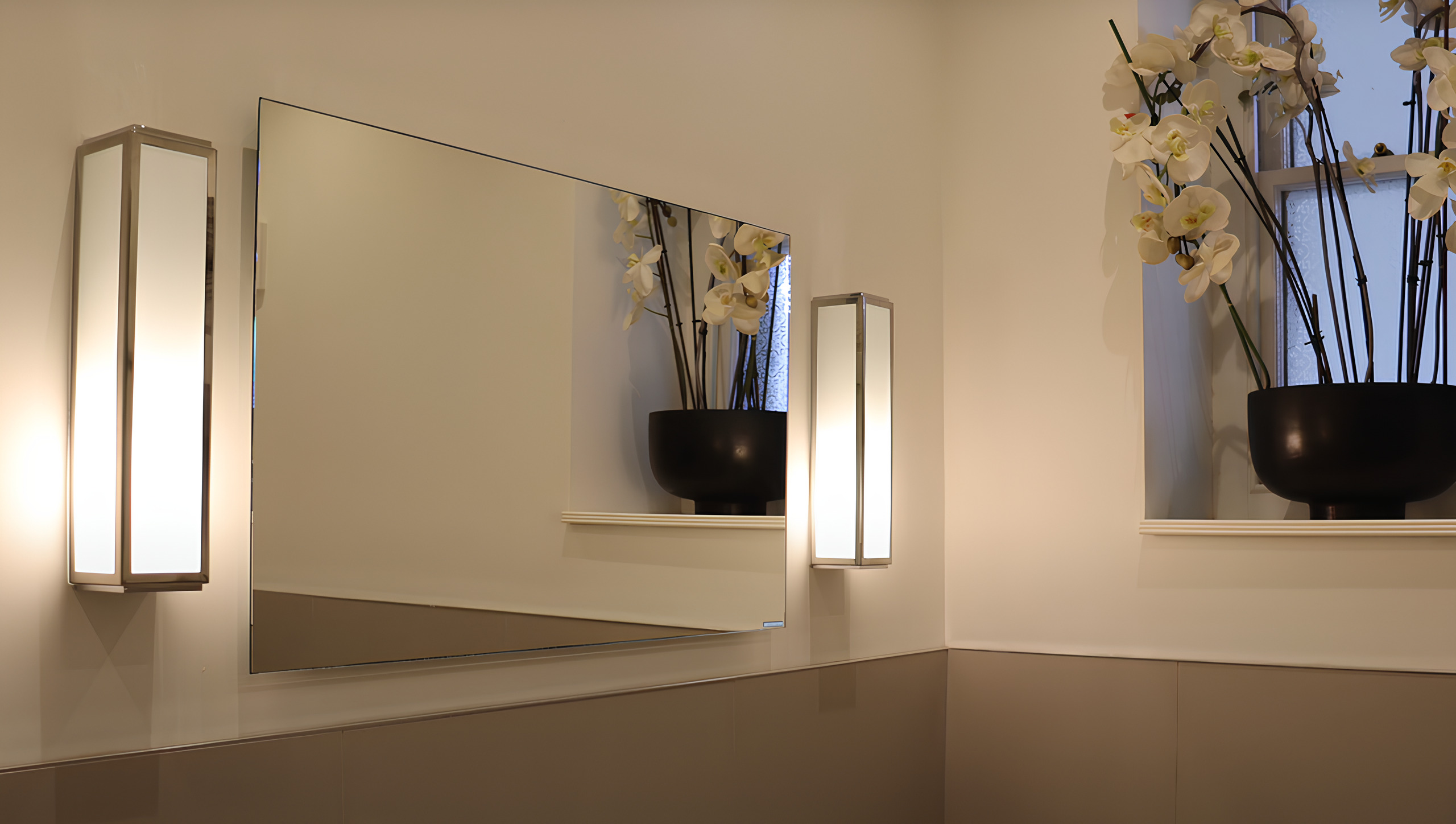
For less than £300, you can get slim, compact far infrared panels perfect for small flats, box bedrooms or student flats. While these budget options aren't smart, they get the job done.
If the rooms are small, 400W to 500W rated units are adequate. They are supplied wall-mounted or free-standing and are generally made from materials such as aluminium composite. Not the fanciest, budget panels are a steady and energy-efficient solution to complement central heating or to zone or warm up select areas, such as the home office or gaming room.
Best for Design & Aesthetics
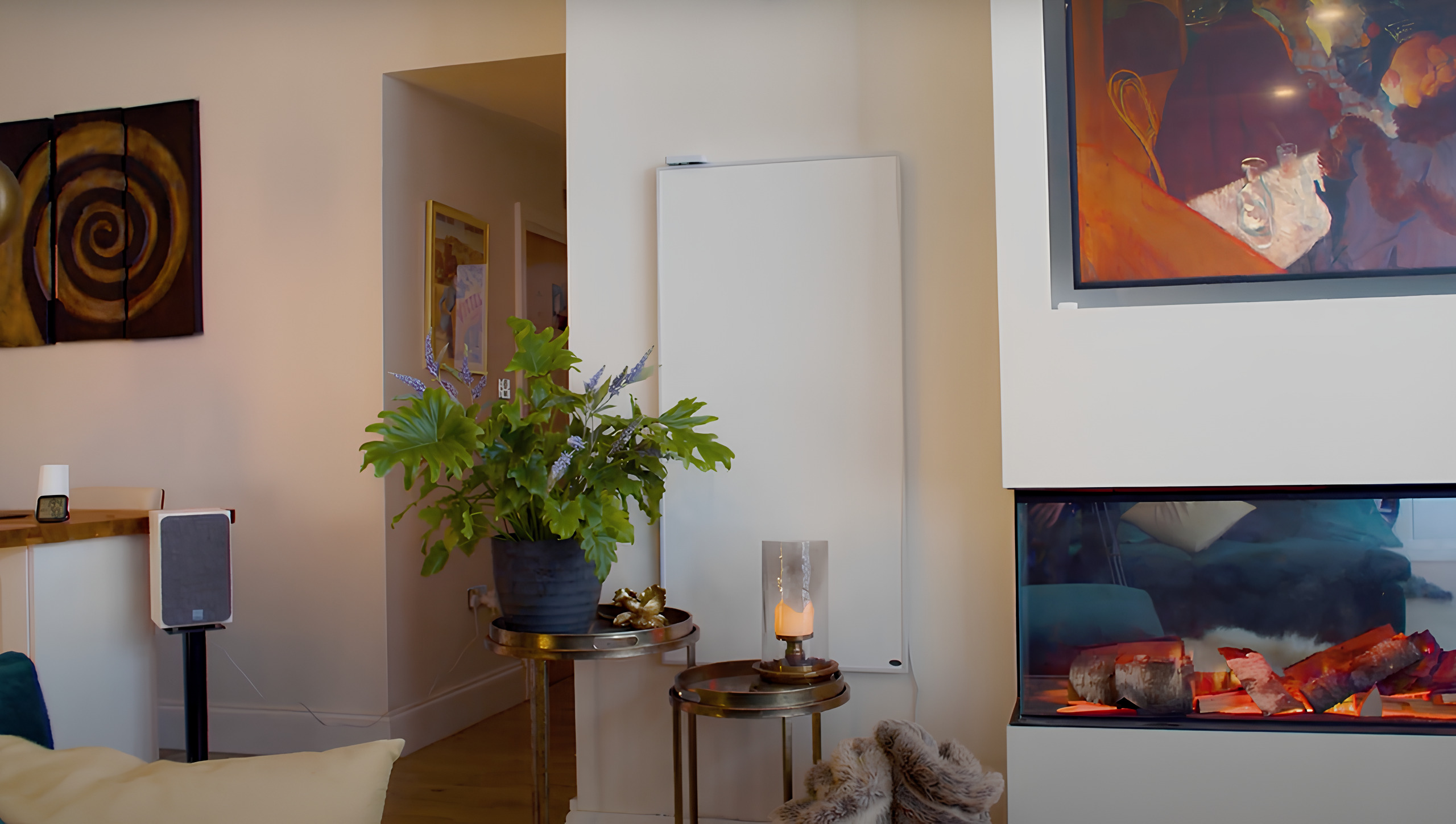
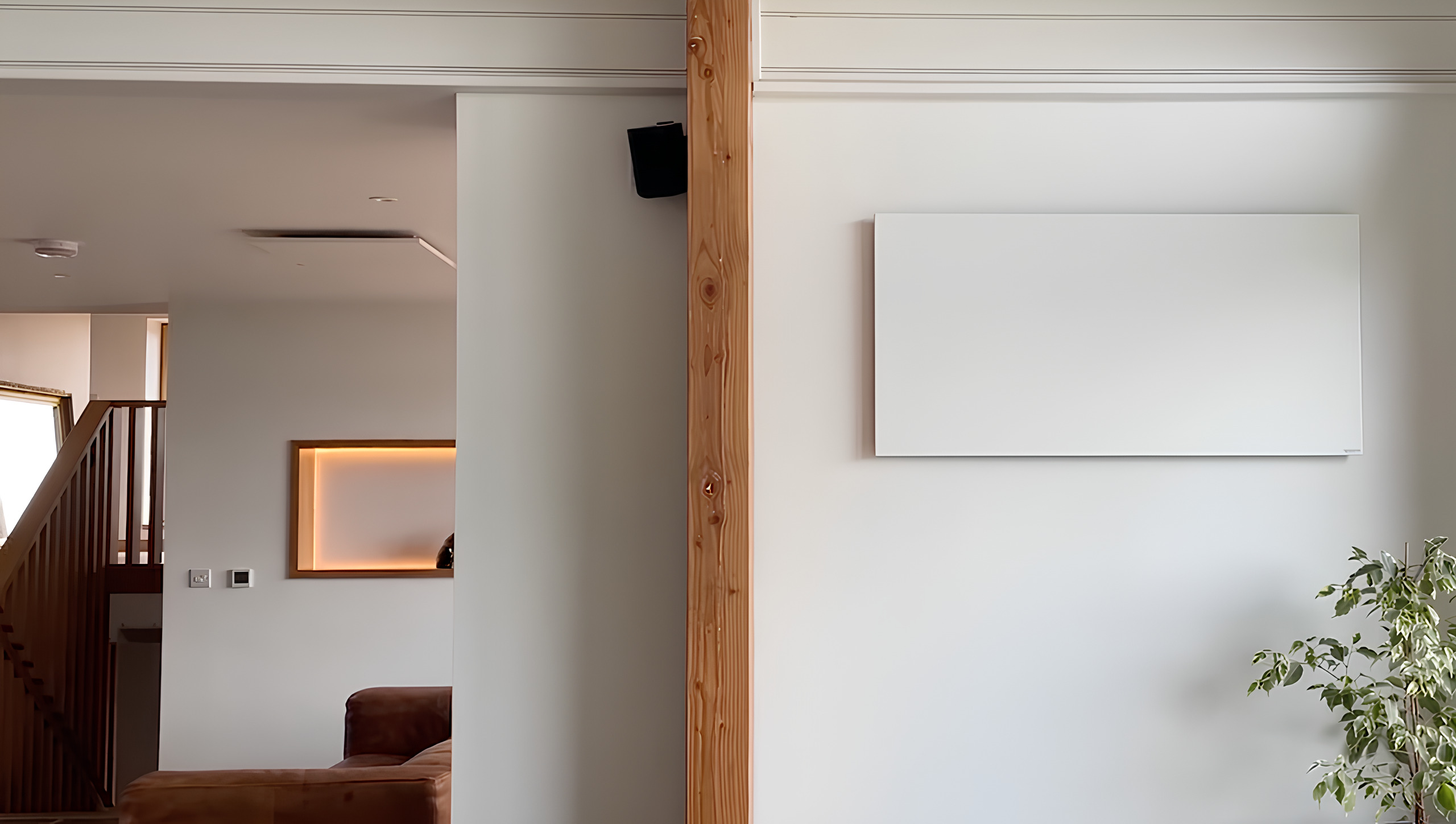
If style is important to you, consider mirror panels or artwork-style infrared heaters that also provide heating. These are perfect for bathrooms, entranceways or stylish rental properties that need compact, unobtrusive heating.
Mirror infrared panels serve two purposes: they don’t fog over and bring light and space to a room. Screen panels, in contrast, conceal the heating feature entirely, seamlessly integrating with the decor. Both can also be wall-mounted in landscape or portrait orientation, depending on the space.
Be sure to look out for anti-fog glass, IP44 moisture ratings, and toughened glass fronts for added strength. They come into their own in closed areas, such as en-suite bathrooms or boutique B&B bedrooms, where looks are just as important as function.
Key Buying Factors for Scottish Properties

Selecting the perfect infrared heating panel for your Scottish property isn’t as simple as choosing the cheapest or most aesthetically pleasing model; it’s much more nuanced than that, and it involves understanding what your home or business requires explicitly in terms of heating. Here are the six key factors to consider when purchasing it.
Wattage: Match Panel Power to Room Size
Infrared panels are sized according to the wattage they produce. A rough estimate is approximately 50-70 watts per square metre for well-insulated properties. If you are in an older, draughty Scottish property or are unsure, you should aim to achieve between 80 and 100 watts per square metre to compensate for heat loss.
Thermostat Compatibility: Manual or Smart
The thermostat is the key to comfort and efficiency. Certain panels have internal thermostats, the rest require external thermostat kits (wired or wireless). Opt for models that work with smart home systems, such as Hive, Tado, or Nest, if you require remote access and scheduling.
For rural or off-grid homes, battery-operated or plug-in thermostats can be effective with minimal wiring requirements. Ensure you search for models that have room-by-room control. That way, you only heat the areas you need to – vital when it comes to trying to keep the bills down during a Scottish winter!
Surface Temperature & Child Safety
Far infrared panels typically operate between 70°C and 100°C, although some models operate at lower temperatures and/or feature an insulated front panel, making them safer for children or pets and ideal for households.
Wall-mounted panels are safer anyway because they’re out of reach. If you’re installing a unit in a child’s room or a family area, consider models labelled as low-surface or anti-scald. Some have edge-to-edge safety sensors or machines that shut off once they’ve heated to a certain point.
Mounting Options: Wall, Ceiling, or Freestanding
The style of mounting influences how heat is distributed and the appearance. Wall-mounted models are ideal for directional heating and saving space in living areas, while ceiling-mounted models are perfect for whole-room heating in bathrooms, kitchens, and commercial spaces.
Freestanding panels are ideal for rental or temporary use, as you can easily pull them off the wall to move from room to room or store them away during warmer months. Ensure the heating angle of the panel is positioned on or near seated or sleeping areas for maximum comfort. Lower mounting heights (say, 1.5m) are helpful in environments with more moisture or draughtiness, as they deliver heat more quickly.
Moisture Rating: IP44 or Higher for Bathrooms
Many Scottish homes contend with damp, especially in bathrooms, entrance halls, and basement flats. Tiny infrared panels, made with an IP44 or higher protection index against moisture, are suitable for use in damp rooms.
These panels are resistant to steam and splashes, making them perfect for replacing an old towel rail or mirror defogger. Bathroom panels must always be fitted by a qualified electrician and positioned at the appropriate zonal distance from water sources.
Brand Reputation & Warranty in the UK/Scotland
It is essential to note that not all infrared panels are the same. Search for UK-based and Scottish stockists that offer full CE/UKCA compliance, a minimum 5-year guarantee, and accessible customer support. Herschel is a brand you can never go wrong with and one we swear by.
Good brands will also create installation guides and size calculators and ensure compatibility with Scottish building standards. Don’t import unknown units that may not comply with the UK’s stringent safety regulations, particularly relevant for landlords requiring EPC improvements or homes that are applying for government energy efficiency grants.
Portable Infrared Heating Panels — Are They Worth It?

Mobile infrared panels offer the best of both worlds for many homes in Scotland. They’re perfect for pop-up situations, such as rural cabins, converted garages, or garden rooms. No plumbing or wall mount required – just plug in and heat up. These panels are also prevalent in Airbnb rentals, second homes, or renovation situations where permanent heating isn’t an option.
They’re lightweight and easily portable, making them handy for renters or homeowners who require flexible, low-cost heating in desired living spaces without the full commitment. For occasional or zone heating, it’s hard to beat portable, infrared panels for value, comfort, and convenience during the chilly months.
Far Infrared vs Other Electric Heating

Longwave far infrared heating panels, in particular, are distinctive compared to most other electrical heating systems. Traditional convection heaters, such as panel heaters and oil radiators, heat the air, which rises but cools quite quickly. This creates uneven heating, drafts and greater energy consumption. Fan heaters, on the other hand, heat up extremely swiftly but are noisy, short-lived, and not very economical for long-term use.
If you find the best heater you like to buy, consider the quality of heat that different types provide. Convection heaters heat air, which then warms the circulation, while far infrared heaters warm objects and people directly, much like the sun. This form of radiant heat is more comfortable and offers more even heating at a significantly lower operating cost. It’s also much quieter and maintenance-free, unlike oil- or fan-based heaters.
In fact, for free-running installations in Scotland’s cold, stone-built houses and poorly insulated rural dwellings, infrared panels are more effective at maintaining comfort levels for extended periods. They reduce condensation, can create healthier air quality (by preventing the movement of dust), and work well when living off the grid, combined with solar PV.
Initial costs are higher but typically pay off in efficiency and a longer life. With no moving parts, they last 15–20 years and continue to provide reliable, focused heat in even the coldest Scottish winters.
FAQs: Infrared Heating Panels in Scotland
Do infrared heating panels help improve your EPC rating in Scotland?
Yes, infrared heating panels can contribute to a better EPC (Energy Performance Certificate) score, especially when replacing inefficient electric or outdated heating systems. Because they are 100% efficient at the point of use and work well in zoned heating strategies, EPC assessors may consider them an energy improvement, particularly when paired with smart thermostats and solar PV. However, exact EPC gains depend on the property type, insulation, and whether they’re used as primary or supplementary heat sources.
What are the best infrared heating panels in Scotland?
The most popular models are wall-mounted far infrared panels with thermostats, particularly those manufactured by respected UK brands, which offer warranties and the CE mark.
Are infrared panels cheaper to run than traditional electric heaters?
Yes. Infrared panels harness radiant heat, cutting overall energy use by heating people and surfaces in the space rather than the air.
Where should I install infrared panels in a room?
Your best bet: on an inside wall or ceiling, towards the space you spend the most time in, whether it be seating areas, desks, or the like.
Do infrared panels work in Scottish winters?
Yes. They are perfect for cold, damp environments and are far more effective than convection systems in a draughty room or with high ceilings.
How many panels do I need per room?
This depends on room size and insulation. A 10m² room usually needs a 700–900W panel. Use an infrared calculator for accuracy.
Can infrared panels work with solar PV systems?
Absolutely. They’re ideal for solar integration, especially in off-grid or eco-conscious homes.
What’s the lifespan of a far infrared panel?
The majority last 15–20 years with no maintenance, making this one of the longest-lasting forms of electric heat.
Conclusion: Which Infrared Heating Panel Is Right for You?

Infrared heater panels are a fantastic solution for a chilly, damp Scottish climate. Far infrared delivers stable heat, is cost-effective, and requires minimal maintenance. Whether heating a country cottage or a city flat, or providing an emergency system in your holiday let, opt for panels designed for the room's size, use, and décor.
Full-time living is better suited to wall-mounted models, while portable panels are ideal for those seeking flexibility. Design-driven choices infuse a sense of style into practical spaces.
Need additional assistance? Schedule a free property survey with Scottish Energy Saving. We’ll guide you to the best infrared setup for comfort, cost savings, and unrivalled peace of mind.