

The Complete Air Source Heat Pump Installation Guide 2025: Requirements, Best Locations & How to Install
February 26, 2025
Ultimate Guide to Thermodynamic Panels: Cost, Features, and Comparisons with Other Heating Systems
March 28, 2025
Key Takeaways
- Infrared heating is safe, economical and green.
- It uses non-ionising radiation, like natural sunlight, so it is safe for most people.
- Extreme heat exposure for an extended time should be prevented, especially in sensitive individuals.
- Infrared heating panels come with overheating protection.
- Pregnant women should be careful while using infrared heating.
- In some cases, it causes dryness and overheating when used without care.
- Infrared panels may be painted with heat-resistant coatings, in accordance with manufacturer recommendations.
Infrared heating is a more energy-efficient and eco-friendly way to heat your home, which is why it is gaining popularity. But even as it is gaining popularity, there are concerns about its safety for many people.
This guide will help clarify some of the most common questions and misconceptions about infrared heating, with a focus on safety, health risks, and health benefits. We’ll dive into the science behind infrared heating, whether or not it is safe for humans, and the facts and fictions about its potential risks. For those considering installing infrared heating or curious about its benefits, this guide offers expert advice on how it can affect your home.
Table of Content
- Key Takeaways
- Table of Content
- What Is Infrared Heating and How Does It Work?
- Is Infrared Heating Safe for Humans?
- Infrared Heating Health Risks: Are There Any?
- Are Infrared Heating Panels Safe?
- Is Infrared Heating Safe for Pregnancy?
- What Are the Negative Effects of Infrared Heating?
- Can You Paint Infrared Heating Panels?
- Conclusion
What Is Infrared Heating and How Does It Work?

Infrared heating is one of the energy-efficient technologies that transfers heat from objects and individuals using electromagnetic radiation. Rather than warming the air as conventional heating systems do, infrared heaters transfer infrared rays, which are then absorbed by solid surfaces and even the human body, which create heat at the contact point. This type of heating imitates the natural warmth of the sun and creates heat without having to first warm up air.
Infrared heating is very efficient because it is a direct form of heat transfer. Because it doesn't rely on air circulation to distribute warmth, it heats rooms faster than traditional systems do. Infrared heaters are commonly used for small spaces or for targeted warmth.
Infrared heating systems are overall more energy-efficient. Traditional heating systems lose a lot of energy by heating the air, which can then escape rapidly. Infrared heaters, on the other hand, are able to focus heat on the people and objects in the room, which hold warmth longer. They also do not create air movement, meaning dust, allergens, and other particles are not blown into the air, making them an ideal option for people with respiratory conditions.
They are also environmentally friendly, as they rely on renewable energy sources, providing a sustainable solution for heating for both homeowners and businesses.
Is Infrared Heating Safe for Humans?
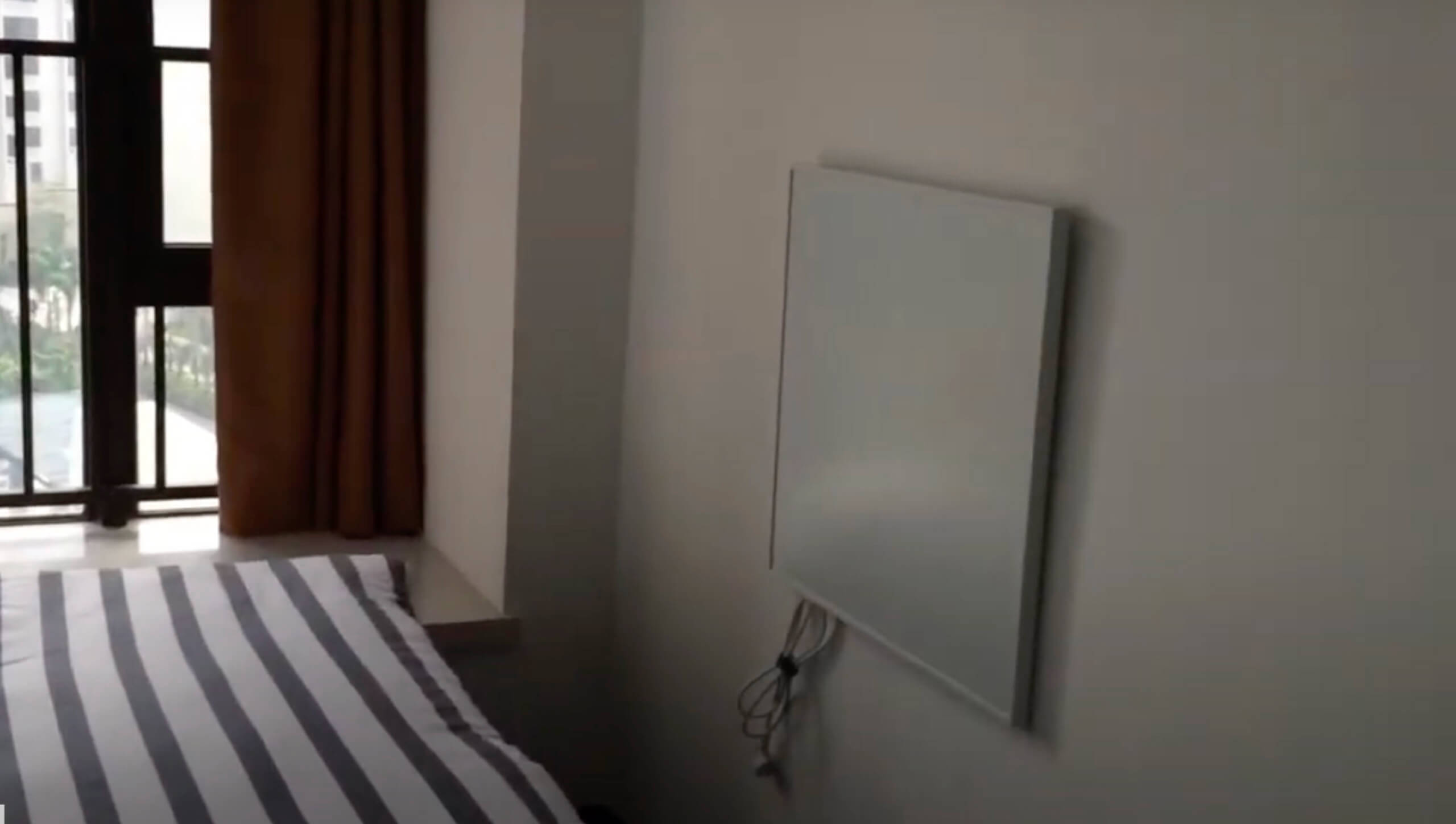
This question is one of the main concerns when it comes to infrared heating: What if infrared radiation is harmful to my health? But with infrared heaters, the radiation they emit is non-ionising, which means they don't have enough energy to kill human cells or DNA. In contrast, the ultraviolet (UV) rays from the sun or x-rays are ionising and present far greater risks, such as skin damage or skin cancers.
At the level emitted by infrared heaters, infrared radiation is completely safe. In reality, infrared radiation is also a natural part of the environment, emitted by the sun, fireplaces, and even the body. Infrared radiation has many benefits to the body, such as improving circulation and relieving sore muscles.
Studies on infrared light safety, in general, have consistently demonstrated that it does not present significant health risks when done right. For example, infrared saunas, which use the same type of radiation, have been extensively studied and shown to have therapeutic effects like promoting relaxation and improving skin health. The infrared heating system is not harmful to human health if used as you are supposed to by the manufacturer.
So, exposure to infrared radiation from heating systems does not pose a risk, and therefore, concerns that the radiation levels are too high are not really justified.
Infrared Heating Health Risks: Are There Any?
While there are many advantages to infrared heating, some people still worry about its health risks. Let’s dig into the myths and facts behind these concerns.
Myth 1: Infrared heating causes skin damage.
Fact: The skin isn’t harmed from infrared radiation emitted by infrared heaters. This is the same type of radiation generated by the sun, just without the damaging ultraviolet rays. They emit infrared heating, which is not enough radiation to burn or damage the skin, even if they do provide heat. Like any heat source, heat can produce discomfort or irritation if an individual is near the device for long periods of time, but the radiation itself is not harmful.
Myth 2: Infrared radiation is harmful in the long run.
Fact: The infrared radiation used in heating systems is non-ionising and does not change cells or cause cancer. That makes it fundamentally different from other forms of radiation like UV rays. There is a very low chance of health risks when using infrared heaters.
Myth 3: Infrared heating can be dangerous for those with medical conditions.
Fact: The infrared radiation from heaters is generally safe for most people, although some people with some medical conditions may be more sensitive to heat. People with heart conditions or respiratory problems should be careful about exposure to high heat because long exposure may cause them to feel unwell or worsen symptoms.
Therefore, it's important to use these infrared heating systems correctly and avoid overheating. If you’re concerned, talk to a health care provider, especially if you have certain health conditions like asthma or cardiovascular problems.
Are Infrared Heating Panels Safe?

When used properly and in conjunction with the manufacturer’s recommendations and safety protocols, infrared heating panels are safe. Infrared panels have been manufactured with safety as a top priority. Contemporary infrared panels come with integrated safety features, including temperature control systems and automatic shutoff features, which kick in if the panel reaches excessive heat. Which reduces the chances of causing a fire or any other risk related to overheating.
Installing the panels at a safe distance away from furniture, curtains, or other items that may catch fire will minimise risks, like burns. An incorrect installation could place the heater too close to other items, leading to overheating. Unlike some other heaters, infrared heating panels do not generate harmful UV radiation, making them suitable for domestic use as well.
However, as with any electrical device, there are inherent hazards. As with any mechanical device, there can be electrical faults or short circuits that the infrared panel could risk throwing if it is not correctly installed or properly taken care of. You should hire a professional to install the panels, and you must carefully follow all safety instructions for safe operation.
Unlike gas heaters, infrared heating panels do not billow toxic fumes or carbon monoxide into the indoor air.
Is Infrared Heating Safe for Pregnancy?

Many women feel extra sensitive to their environment and their health during pregnancy, so there are many questions about the safety of infrared heating. Infrared heating, when properly utilised, is safe to use during pregnancy. The non-ionising radiation emitted by infrared heaters is not dangerous for pregnant women, unlike that emitted by ultraviolet radiation.
There is a scarcity of research examining infrared heating and pregnancy; however, existing literature indicates that exposure to infrared radiation at the levels emitted by infrared heating systems is safe. Infrared heating, in fact, is often used therapeutically, including at infrared saunas , where it is believed to relieve muscle pain and increase circulation — two things that can be really beneficial when you're pregnant.
But like any heating system, it’s important to take measures to prevent overheating. Pregnant women shouldn't be afraid to spend time in the sauna unless they experience excessive heat exposure during the first three months of their pregnancy. However, prolonged exposure to extreme heat can lead to dehydration, raise the chance of overheating, or impact blood circulation, all of which can be dangerous for both mother and baby.
Make sure these heaters stay safe by using the infrared heater in moderation. Do not sit in front of scorching panels for a long period of time. It’s always best to check with a healthcare provider before using infrared heating during pregnancy, especially if you have any concerns.
What Are the Negative Effects of Infrared Heating?

While infrared heating is safe and good, it comes with some disadvantages. Dryness is a common complaint. Infrared heaters heat the objects and people in the room but do not add humidity to the air. The absence of humidity can cause dry skin or eyes, especially during winter months when air is already dry. To remove this, it’s beneficial to make use of a humidifier within the infrared heating room to maintain the stability of moisture.
A different problem is that it could overheat. Infrared heaters are very safe overall, but if misused — particularly if used too near people or objects — they can cause discomfort or burns. Stay a safe distance from the heating panel and avoid combustible material around it.
Some people benefit from infrared heating, but not in larger areas, whilst others have an open-plan detection of infrared heating. Due to the nature of the infrared technology, which provides warmth directly to objects and humans, it may not offer sufficient heat in places where even heating because of room temperature is necessary. In such a case, a more traditional heating system may be a better option.
Finally, people with respiratory disorders like asthma might find it impossible to breathe due to the dry heat. Because infrared heaters do not disperse air, they won’t displace dust or allergens in the air, but the heat itself can still be bothersome to sensitive individuals.
Can You Paint Infrared Heating Panels?
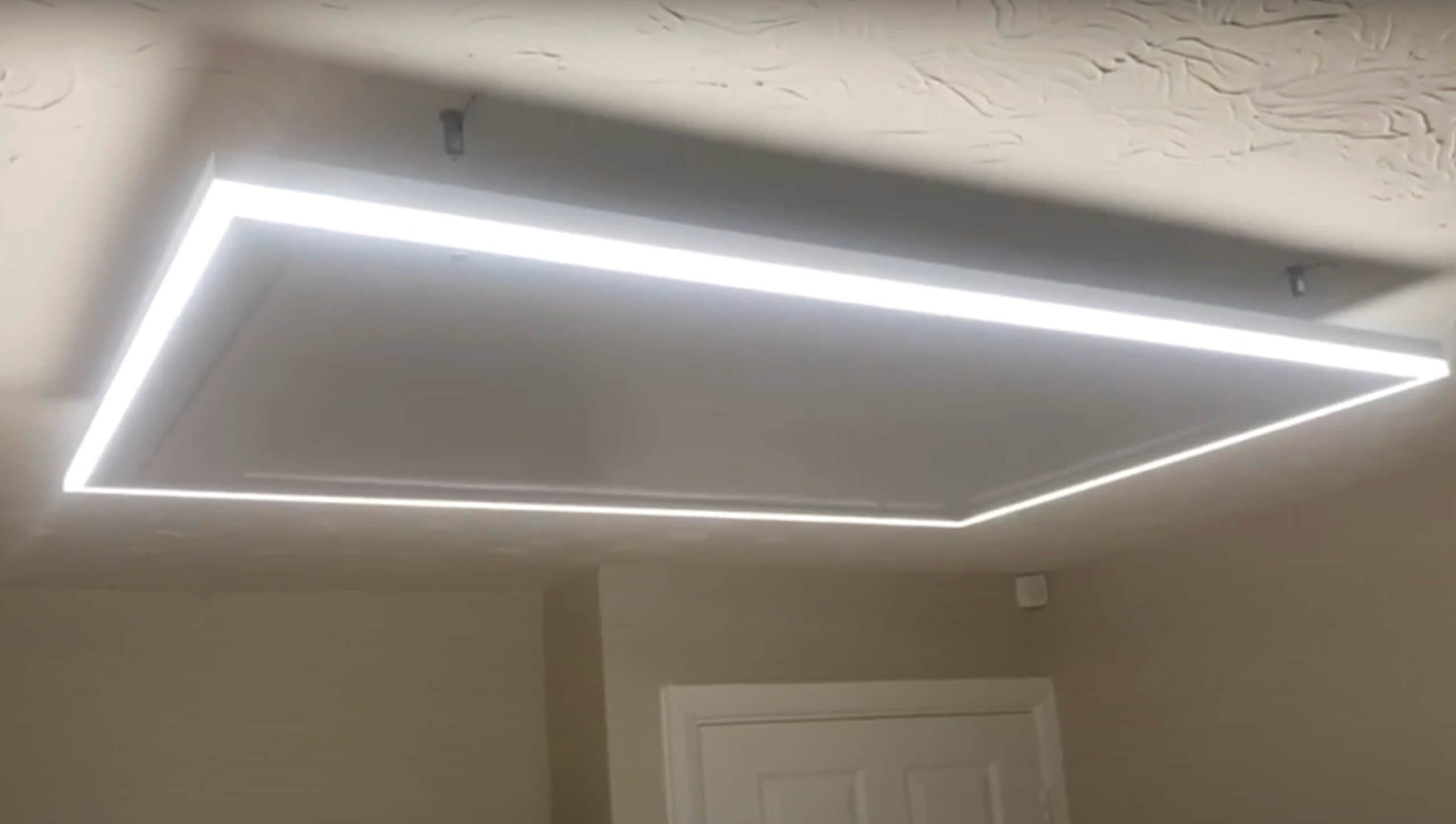
Homeowners often ask whether they can paint infrared heating panels to match their décor. You can paint them, but you have to be careful to not get paint in a place that will impact the The panel can be painted, but you must avoid painting where it will affect performance or safety.
Infrared heating panels are built to work at high temperatures, so you will need to use heat-resistant paint if you decide to alter them. Regular paint can crack, peel, and release toxic chemicals from the heat generated by the panel. So, it is critical to use a specific paint for high-heat applications.
It’s best to check first with the manufacturer guidelines to confirm that painting the panel won’t void the warranty. Some manufacturers offer suggestions for panel treatment and finishes that do not affect performance. Furthermore, there are vents and safety features built into the panel that need to function, so avoid covering them with paint, as it can block airflow and lead to the panel overheating.
If you’re not sure what kind of paint to use or how to paint the panel, ask for professional help. Be careful with customisations, as changing the infrared panel may affect its performance and safety.
Conclusion
Infrared heating is a safe, energy-efficient, and eco-friendly way to warm your home or workspace. When used correctly, it has few health risks and offers many health benefits. There are a few general guidelines for ensuring that infrared heating works effectively and safely, which come down to understanding the technology and following the appropriate procedures.
Although you should be careful if you have certain health issues or are pregnant, there is no evidence that infrared heating itself is harmful. Contact Scottish Energy Saving now for a tailored energy assessment and the quote to upgrade the heating system in your home!