
How Much Does It Cost To Install A Solar-Assisted Heat Pump? Installation Fees, Savings, And More
October 20, 2024
How Much Does Solar Battery Storage Cost in 2025? A Complete Breakdown for Home and Business Owners
November 30, 2024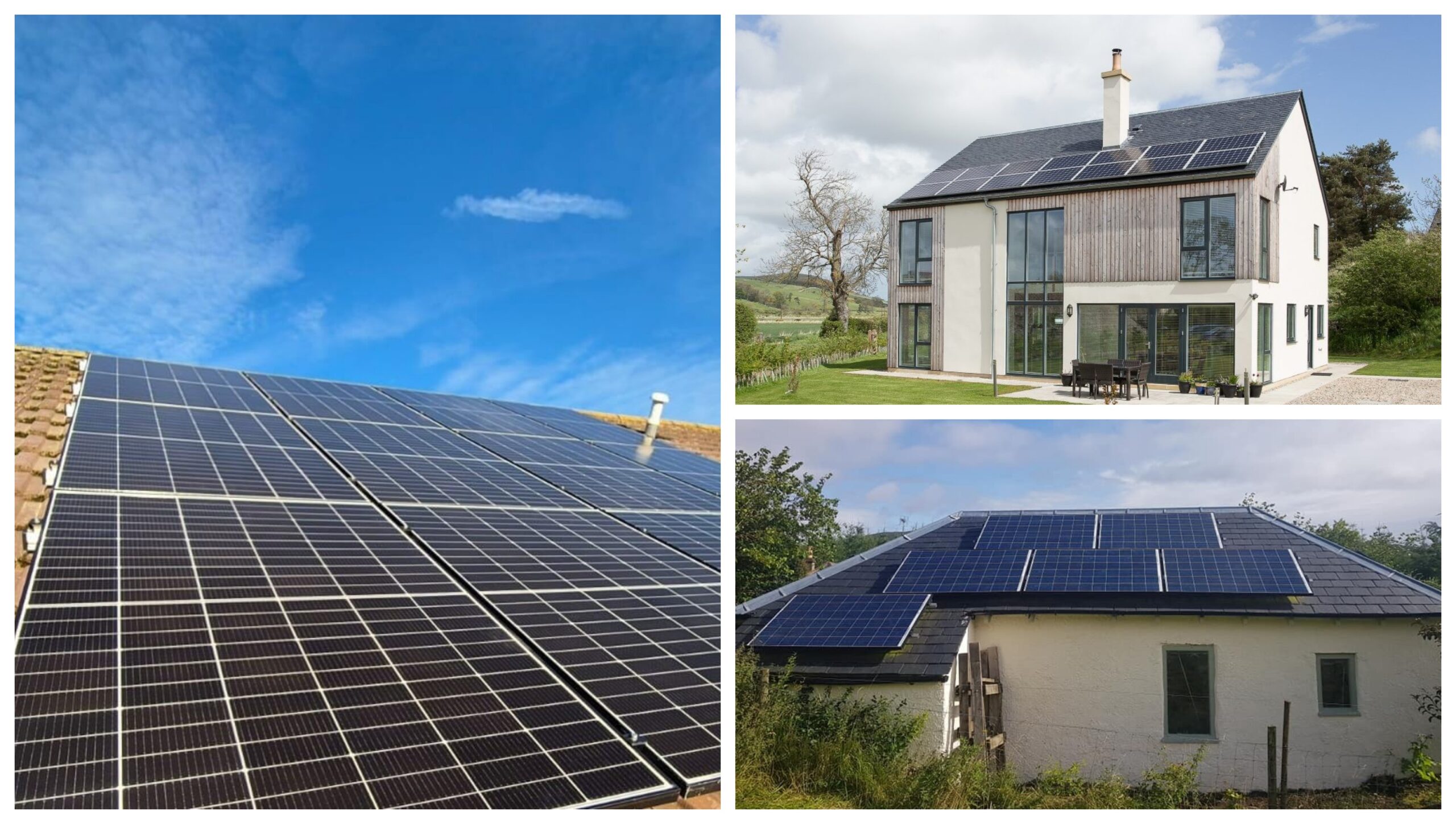
Key Takeaways
- A solar PV system turns sunlight into electricity through solar panels, helping you reduce your reliance on the main grid.
- The cost of solar PV systems depends on a range of factors, including installation, panels, system, batteries, and maintenance.
- Solar PV initial costs for residential buildings are less than those for commercial buildings, but commercial buildings tend to save more in the long run.
- There are financial incentives in place that can help families and businesses introduce solar PV on their property.
As energy prices rise and the demand for sustainable energy grows, solar photovoltaic (PV) systems are gaining traction among homeowners and businesses alike. Solar PV helps cut electricity bills and lower carbon footprints, making it an appealing option for eco-conscious individuals. But before committing to solar energy, it's essential to understand the expenses. Here, we’ll explore the cost of solar PV and how to assess if it’s cost-effective for you.
Table Of Content
What is a solar PV system?
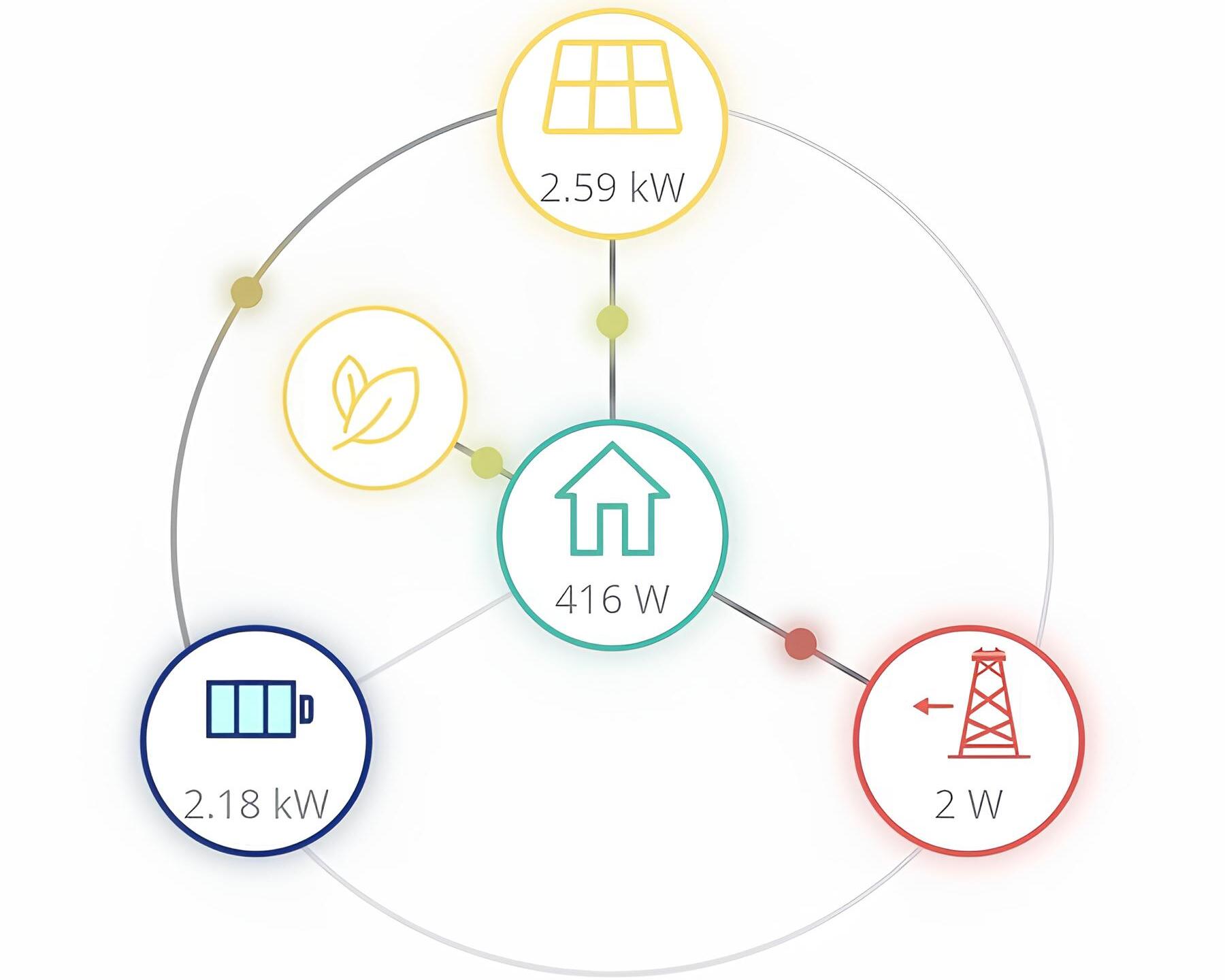
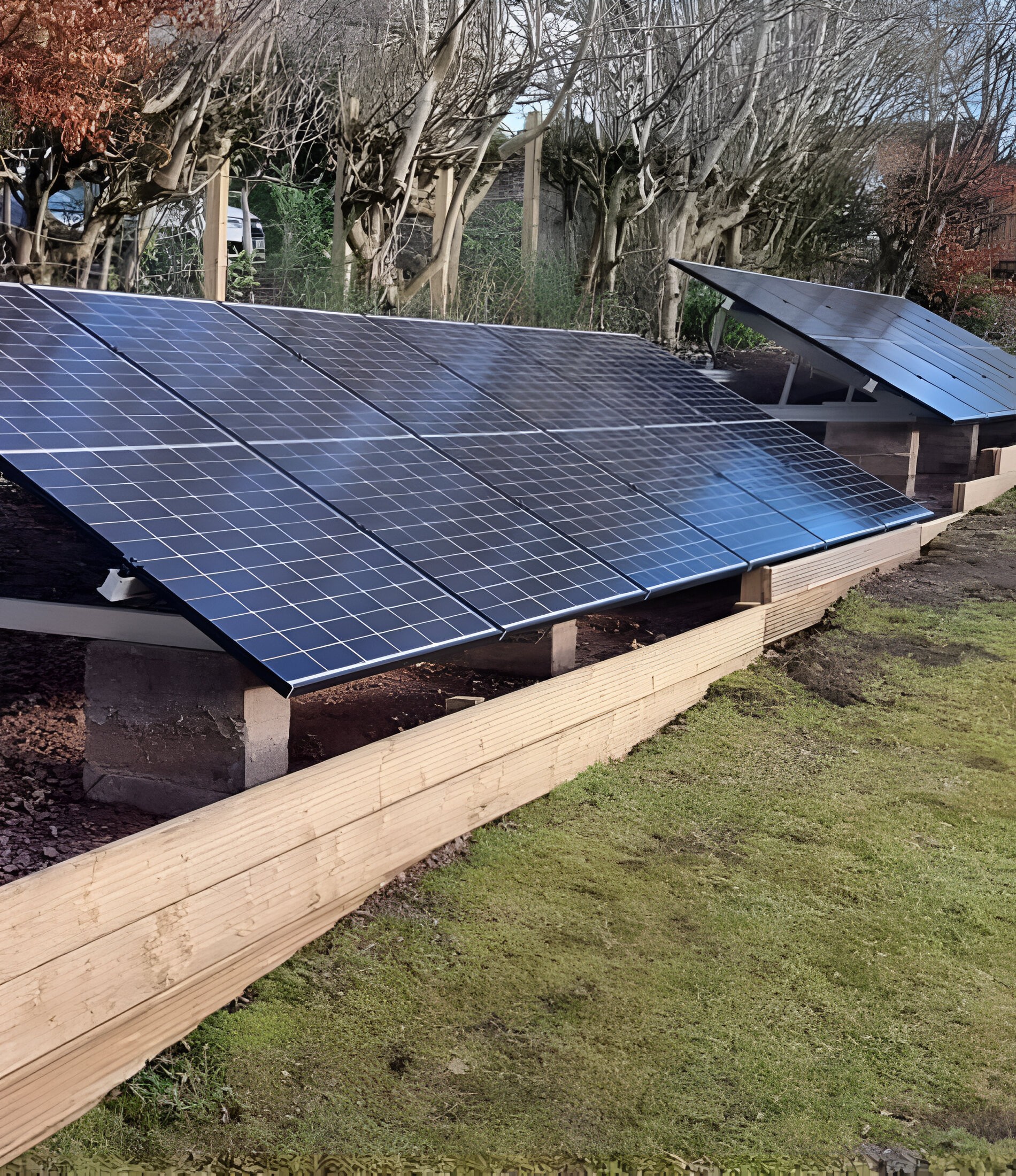
A solar photovoltaic (PV) technology directly converts sunlight into electricity using solar panels composed of semiconductor materials. These panels are made of solar cells that absorb sunlight and convert it to direct current (DC) electricity that is directed first through an inverter, which then converts it to alternating current (AC) for home or business use or for sending into the grid.
A solar PV system generally consists of solar panels, an inverter, and a battery storage system for storing excess energy. This system relies significantly less on fossil fuels and provides comparatively low-priced energy over time by providing a clean, renewable source of power.
Key components of a solar PV system

- Solar panels: Capture sunlight and convert it into direct current (DC) electricity.
- Inverter: Converts the DC electricity generated by the solar panels into alternating current (AC) electricity for use in homes or businesses.
- Battery storage (Optional): Stores excess energy for later use, providing power when sunlight is unavailable. You are able to save up to 30% more money on bills by storing excess energy.
- Mounting system: Secures the solar panels to the roof or ground, ensuring optimal positioning for sunlight exposure.
- Charge controller (for battery systems): This regulates the charge entering the battery to prevent overcharging or damage.
- Electrical wiring and connections: Connects all system components to ensure proper energy flow.
Breakdown of solar PV costs
Solar PV installer cost
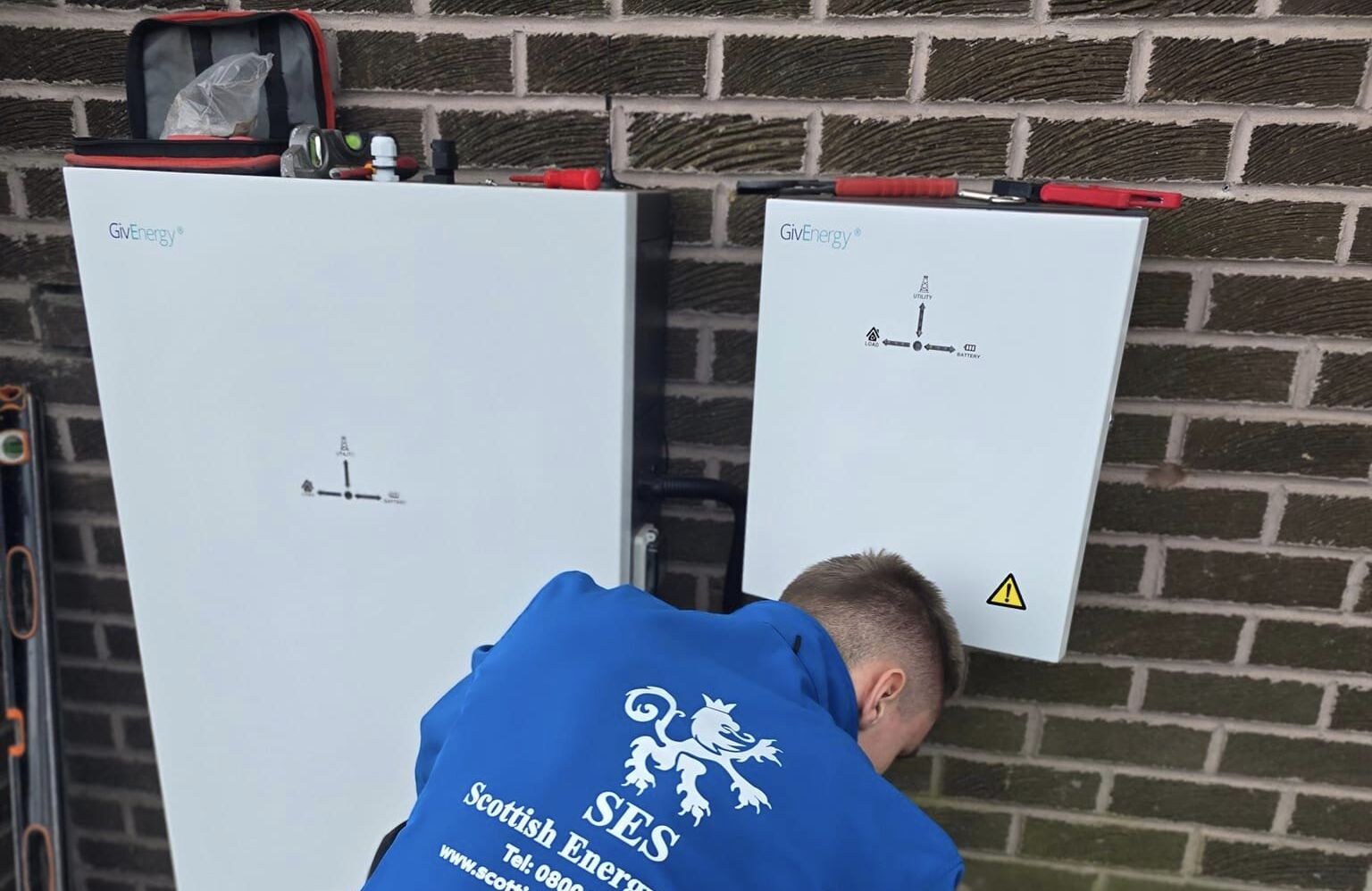
The price charged by solar PV installers depends on the size and complexity of the system to be designed and installed, as well as where one lives, and finally, an installer's level of experience. Labour prices tend to differ depending on geographic area and competitive market, but highly qualified installers will naturally command a better rate.
In Scotland, a domestic solar PV system generally costs £1,800-£2,500 per kW to install, although this can be higher for larger or more complex installations. This is usually the total cost of labour, equipment, and permits (if needed), though it may vary from company to company, so it's best to get several quotes for accuracy in price and quality.
Step-by-step breakdown of costs involved in installation:
- Labour costs: Labour costs involve professional installers designing, mounting, and wiring the solar system. Those prices vary by region, as well as the experience of the installer, but they almost always comprise a huge portion of what installers end up charging. You are billed hourly or at a flat rate for labour.
- Materials and equipment: Cost of solar panels, inverters, wiring, mounting systems, and other required components. The quality and type of equipment (monocrystalline or polycrystalline panels) selected can also influence the overall costs. The cost will go up with more efficient equipment, but it pays off in the long run.
- Permits and inspections: Most local governments mandate permits and inspections to ensure the system is safe and meets all safety regulations. Depending on where you live, they generally cost between £150 and £400. This includes inspections, which are sometimes required pre- and post-installation.
Solar PV panels cost
Solar PV panels are of different types, brands and efficiency. They are an average of between £150 and £300 per panel, depending on the size of the system (more panels = bigger systems).
Monocrystalline panels are more efficient and have a sleeker design; hence, they come at a higher price, typically costing between £200 and £300 per panel. Polycrystalline panels tend to be cheaper, costing around £150-200 per panel, but are slightly less efficient.
Thin-film panels are more rare and less efficient than traditional tech, so they tend to take up quite a bit of space, to the point that those costs can be higher because installation costs go up with larger sizes. The system size, panel type, and brand choice determine the total cost, starting from £200 per panel.
Solar PV system cost
Solar PV size, efficiency and components influence the total cost. The average cost of a 4kW solar PV system (panels, inverters and installation included) is between £6,000 and £8,500. For bigger systems like a 5kW or 10kW, the price can move from £8,000 to over £14,000 depending on the size and efficiency of the system.
Other factors that might affect the cost of a system include where you live, what equipment you're using, and who does the installation. A 4kW system has an annual output of approximately 3,400 and 4,000 kWh and can suit the average medium-sized house. Larger systems offer better value because the pound per watt generally decreases as the system size increases.
Additional solar PV system costs
Solar PV battery storage costs
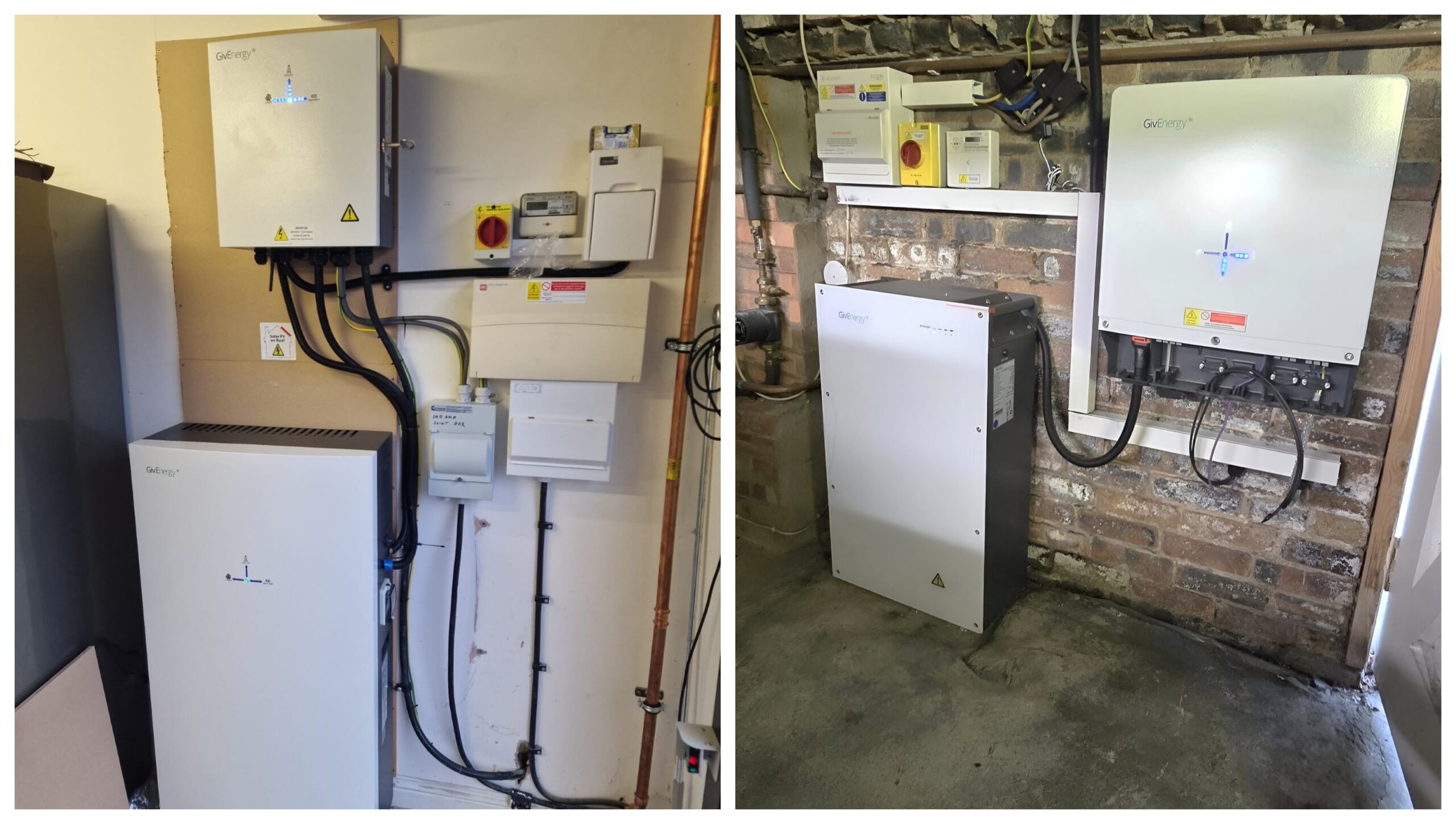
Solar batteries start from roughly £3,000 up to about £10,000, depending on storage capacity and brand. These systems allow for the storage of surplus energy to be employed when energy generation is low during the day in terms of sunlight presence, providing better autonomy from energy supply. Batteries with a higher capacity typically last longer but also cost more.
Solar PV maintenance costs
Solar PV requires little maintenance; however, some maintenance is still required for the system. The maintenance costs are usually between £100-300 per year to cover things such as cleaning the panels, checking if the inverter is still working, and checking that wiring has not degraded. Periodic inspections also ensure better efficiency, keep obstructions at bay, and, last but not least, extend the life of your system.
Cost considerations for different applications
Residential vs. commercial solar PV costs

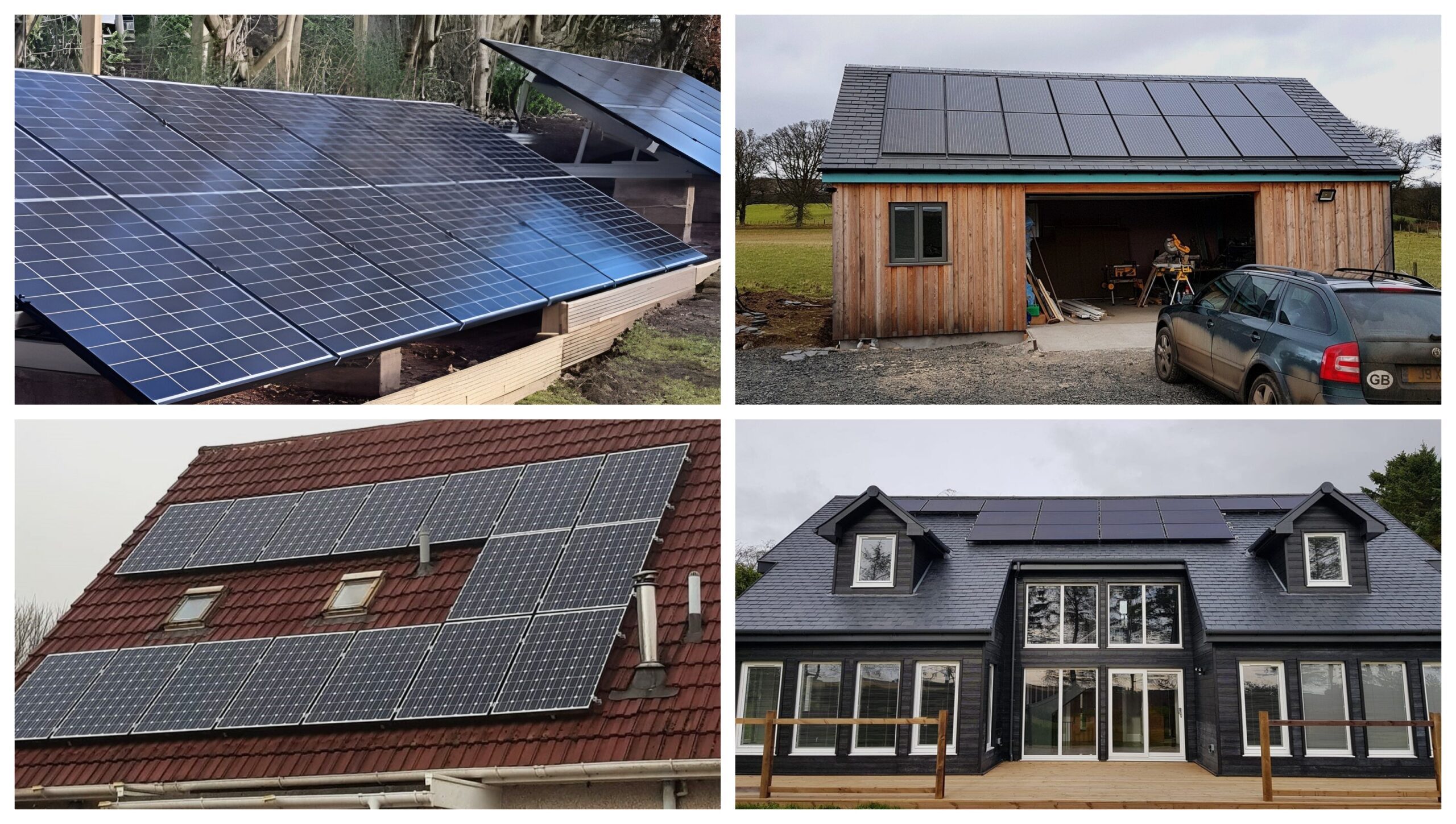
There are significant differences in system size and energy needs when looking at residential vs. commercial solar PV costs. Most domestic installations are between 3kW and 6kW, costing approximately £6,500 to £8,000 for a 4kW residential solar system. However, costs can increase with larger systems.
In contrast, commercial solar systems are far more massive, frequently anywhere between 10 kW and well over 100 kW depending on business size. Commercial systems generally cost between £10,000 and £80,000 or more, depending on how large or complicated the system is. These systems also require additional planning, permitting and sometimes electrical upgrades.
Given this scale, commercial installations will typically save more energy, with businesses offsetting a large percentage of their power bill. Plus, they gain a quicker ROI and higher efficiencies for solar panels and battery systems. In addition, commercial systems are eligible for higher government incentives and grants along with tax credits than residential ones, making them an attractive option for businesses that want to reduce energy bills and lower their carbon footprint.
Factors influencing costs
Location
The geographic location determines the exposure to sunlight; hence, the size of the solar PV system is required. In regions with more sunlight hours, systems are smaller because less energy is needed to support demand, and in areas with less sunlight, a larger system might be required to produce the same amount of electricity.
Size of the system
The system size is directly related to the energy consumption of the household or business. For higher energy demands (for example, a big house or a commercial operation), larger systems are needed, usually 10 kW and up, while smaller systems (3 kW – 5 kW) work for typical residential needs.
Local incentives
Government rebates, tax credits, and other local incentives can lower the net cost of a solar PV system. Depending on the financial incentives offered in each area, these programs may encourage larger system installations or perhaps more efficient equipment for property owners.
Financial incentives and long-term savings
The upfront costs for solar PV installations can be greatly reduced with the help of financial incentives. There are tax credits, rebates, and grants available in many regions of the world, like the UK’s Smart Export Guarantee (SEG) and even the US federal solar tax credit. These incentives help lower the cost of solar PV and reduce the payback period.
Solar systems provide major savings in the long term since they produce free energy after installation, which translates into lower electricity bills. With increasing energy prices, solar PV has started looking more and more like a solution. For the average homeowner, this adds up to many thousands over the system's life and is worth it, as it often pays for itself.
Understanding the Return on Investment (ROI) of Solar PV
The ROI of solar PV systems is based on the initial installation cost, savings on power bills, and payback period. The payback time for solar systems ranges from 6 to 10 years on average, though this number depends on a few factors, including location, arrangement size, and consumables.
The electricity they generate afterwards is basically free, so you can think of this as savings over the long term. Government incentives and rebates are other pieces of the puzzle that affect ROI by lowering initial costs. Moreover, using solar PVs also increases the value of a property, so it vertically makes financial sense when sold. All in all, in the long run, solar will save you money due to lower energy costs.
Conclusion
To sum up, solar PV is an investment that pays off big in the long run while providing energy independence and giving back to your environment. Solar PV offers a few opportunities for home and business owners to save with drastically different costs based on system size, location, and energy needs.
Contact Scottish Energy Saving to find out how you could benefit from solar energy. From no-obligation energy assessments to expert solar PV installations, we help you find the perfect system for your needs. Allow us to help you cut down your energy bills while giving something beneficial to the environment. Contact us today for a free estimate, and get started on your solar journey now!
Frequently Asked Questions
A solar PV system can cost anywhere from a few thousand pounds to tens of thousands, depending on the size and type of equipment used and the complexity of your installation. Generally, the cost of a domestic solar system is between £6,000 and £8,500 for a 4kW system. The cost for bigger systems, 10 kW, for example, would fall between £10,000 and £15,000.
Costs vary depending on location, the brand of panels installed, and extra features like battery storage. Government incentives and rebates can also lower the total cost, leading to energy bill savings and a 6 to 10-year payback on investment.
Your energy use and postcode dictate your solar PV requirement. To break it down, start by figuring out your average monthly kWh usage. Domestic systems usually need 3 kW to 6 kW of solar capacity, depending on the volume of electricity consumed in the household.
System size depends on how much sunlight your area receives and the efficiency of solar panels. A system of 10 kW or more may be required for larger homes or businesses. Expert evaluations ascertain the exact system size required to realise both cost and energy savings.
Commercial solar PV systems are larger than their residential counterparts, with the initial costs for commercial installations typically ranging from £10,000 to £80,000 or more, depending on size and complexity. For a small business, this may arise with a 10kW system costing £10,000, but larger commercial installations such as 100kW systems might cost over £70,000.
The price depends on power usage, available roof area, and geographic location. Due to greater quantities of energy saved, commercial systems often have a better economy of scale and an improved return on investment (ROI). In addition to these reduced costs, companies can also access government incentives, grants, and tax credits that lower the cost even more during initial start-up.