GivEnergy | #1 Best AC Coupled inverter UK
December 29, 2023
What is Solar PV: The Ultimate Guide
August 9, 2024
Key Takeaways
- Solar assisted heat pumps are an efficient way to warm up water through the use of solar collectors such as PV panels.
- There are two main types of solar assisted heat pumps - solar thermal assisted heat pumps and solar PV assisted heat pumps.
- Solar assisted heat pumps work based on the system, however it ultimately integrates solar energy with heat pump technology.
- There are many benefits of solar assisted heat pumps such as energy efficiency, cost savings and environmental impact.
- There are also some considerations for these systems like installation costs, climate, and maintenance.
Getting hot water in a home is a necessity. It helps provide us with hot showers, wash our dishes, and even help cook our food. However, many of the sources to heat the water, such as electric or gas, are becoming extremely expensive and contribute to our carbon footprint.
Solar assisted heat pumps are an alternative for warming up water and maintaining this need for a lower cost. In this guide, we’ll delve into the intricacies of these systems and how they help heat up the water in your home.
Let’s get started.
Table of Content
Introducing solar assisted heat pumps
Solar assisted heat pumps are extremely useful in offering a property with water, which is what we’ll be focusing on here.
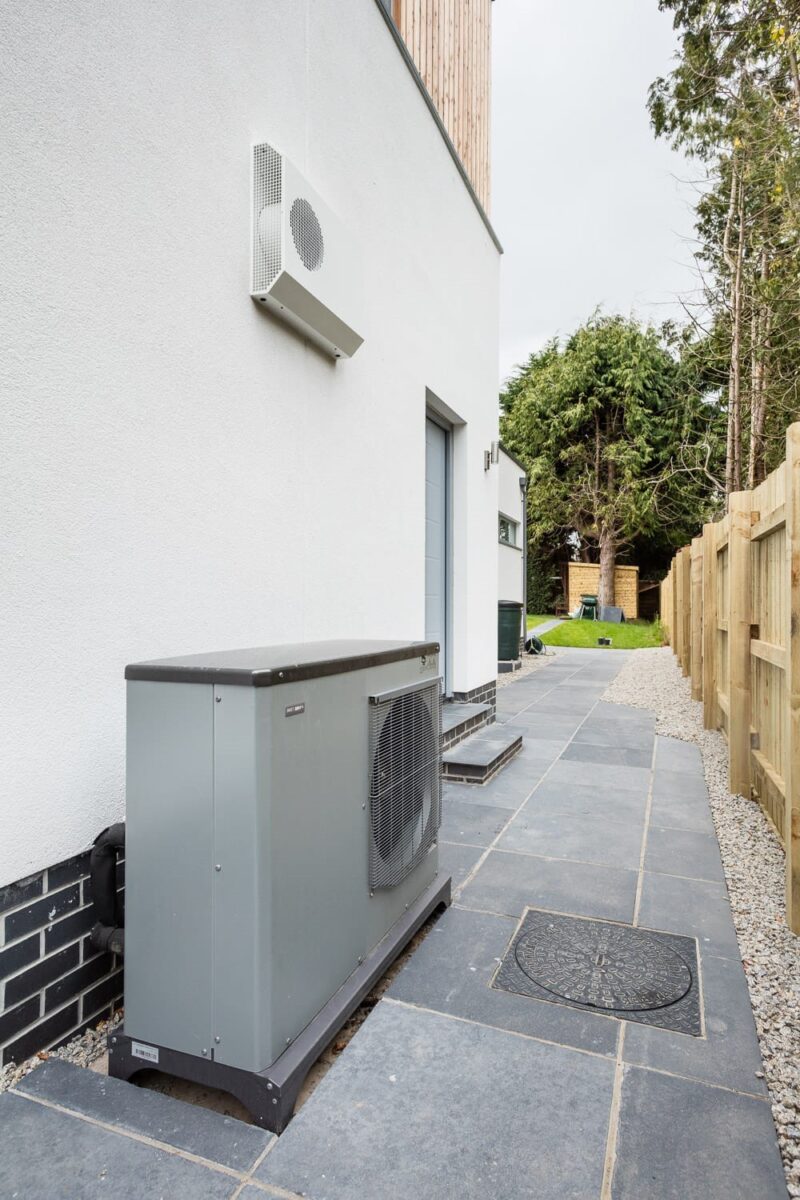
Compared to air source heat pumps, solar assisted systems generally have fewer components, lower installation costs, and different operational mechanisms, making them a more cost-effective option.

What is a solar assisted heat pump?
A solar assisted heat pump (SAHP) is a new system that enhances water heating efficiency, combining together the best traditional heat pump technology with energy from the most natural renewable sources of all - the sun & air. SAHPs deliver a highly-efficient, cost-effective thermal source for hot water that can be used for small space heating and even in industrial processes. SAHPs utilise solar energy in combination with a typical heat pump to benefit from renewable resources, resulting in less dependence on electricity or fossil fuels and consequently reducing the burden of higher operating costs and environmental impact.
SAHPs work by using solar collectors to capture and utilise solar energy. This energy can heat water directly or support the operation of a heat pump. The traditional heat pump element of the SAHP works by extracting ambient warmth from air, ground or water and transferring it into a hot-water supply. By integrating with solar energy, this process becomes more efficient overall (especially in conditions where the ambient temperature is low).
Types of solar assisted heat pumps
There are two main types of solar assisted heat pumps: Solar thermal assisted heat pumps and solar PV assisted heat pumps. Compared to solar thermal systems, solar-assisted heat pumps offer greater efficiency, space-saving advantages, and the ability to harness both solar energy and ambient air heat, resulting in a more reliable water heating solution even during less sunny periods.
Solar thermal assisted heat pumps
This technology uses solar collectors and thermodynamic panels installed on rooftops or other areas south facing to gather thermal energy from the sun and air. This thermal energy can then be used to pre-heat the water before entering into the heat pump system or help in operation of the heat pump itself.
When you pre-heat the water first, the less energy the heat pump needs to increase the water temperature (to adequate levels) from its source. It is even more efficient in sunny areas where there is a lot of solar radiation available.

Solar photovoltaic (PV) assisted heat pumps
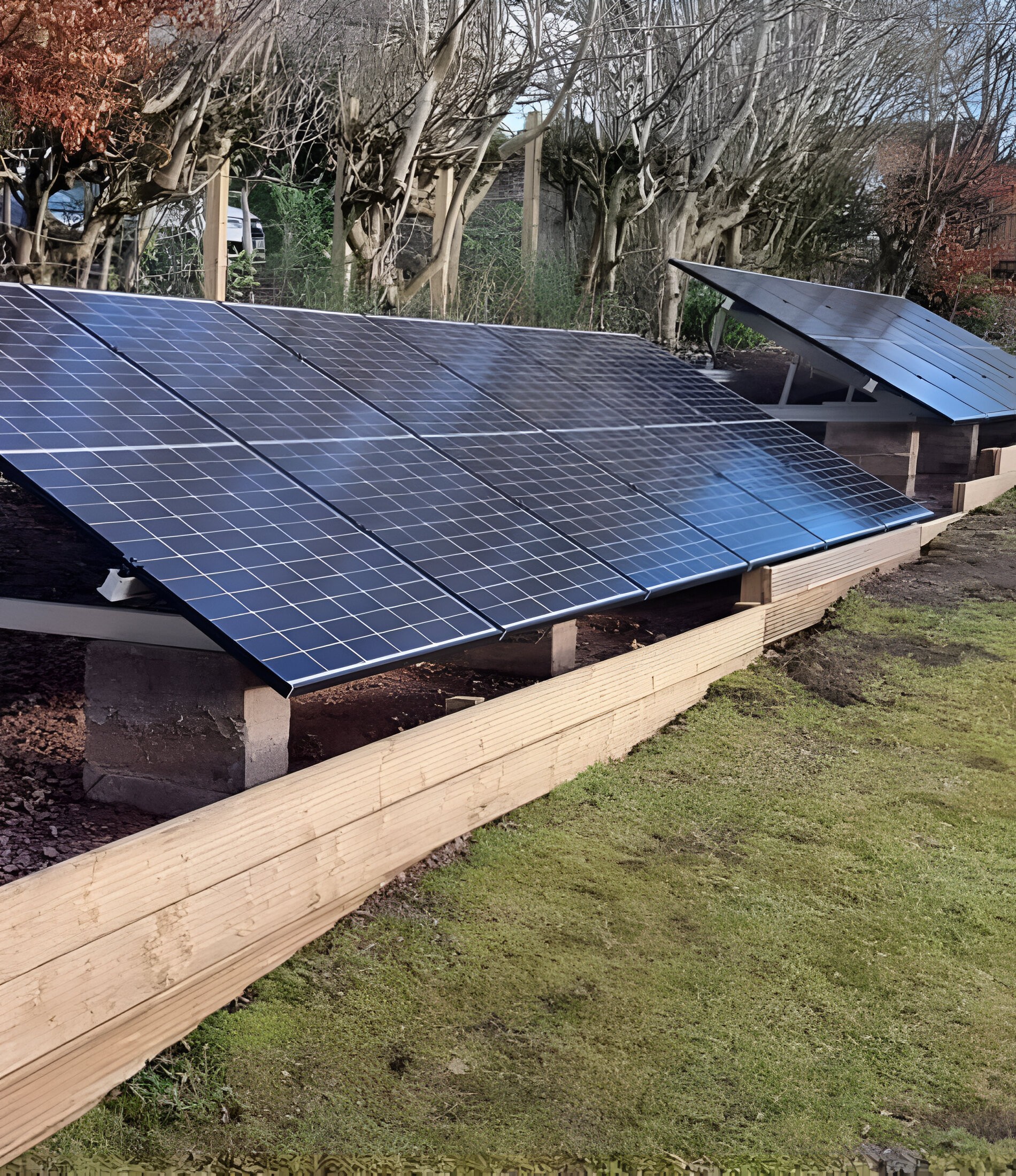
In this, the sunlight is converted into electricity by solar panels. This electricity then powers the heat pump, making hot water partially or even 100% off grid. The heat pump works to remove the latent heat contained within the surrounding air and transfers this into warm water.
The good thing about this system is that it is versatile and can be used in a varying climate since the sun passively heats the collector even at low solar radiation levels. Furthermore, if the PV panels generate more electricity than is required for hot water then this power can be used by other electrical appliances in the household or exported to the grid with potential additional financial rewards.

How solar assisted heat pumps work
You now know the basics of solar assisted heat pumps, but how do they work to heat up your water? Here’s everything you need to know to understand the process:
Basic operation
SAHP’s integrates solar energy extraction with conventional heat pump systems to provide an efficient method of heating water. The system collects solar energy using either thermal collectors or photovoltaic panels and uses it to supplement the heat pump operation which reduces the consumption of energy needed for hot water heating.
At its core, an SAHP works similarly to a closed loop system; in that it circulates energy seamlessly throughout the complete operation. For systems that are solar thermal assisted, the sun's and air’s heat is absorbed by the solar collectors or thermodynamic panels and this in turn heats either water or a heat transfer liquid. The pump is then fed this pre-heated water or fluid, which needs less energy to bring that water to the desired temperature.
Solar photovoltaic systems include solar panels to generate electricity from sunlight, which the heat pump uses in order to extract heat from the ambient air rather than relying solely on grid power. As a result of these features, its energy consumption is significantly reduced.

Solar thermal assisted heat pumps
Solar collectors and thermodynamic panels, including thermal solar panels, are the soldiers behind capturing and using solar energy in a thermal assisted heat pump. Traditionally, collectors are mounted on rooftops or in other open areas, and they absorb sunlight to transfer it into a water-glycol combination that moves through the collector system.
That heated fluid travels to a heat exchanger, which pre-heats the water before it enters the other side of the pump. Pre-heating the water means that you lessen how hard your heat pump has to work. It can provide most of the stored heated water tank during high levels of solar radiation, thus reducing your building's electrical overall consumption.
During cold temperatures or low solar radiation periods, the heat pump operates to extract ambient heat from air, ground and/or water sources. It ensures you will have hot water all year round even in times without sunlight. This makes the water heating system more efficient and reliable from rooftop solar thermal energy integration.
Solar PV assisted heat pumps
Solar electricity is available from photovoltaic panels which provide a limited amount of energy to drive the heat pumps. The panels generate direct current (DC) electricity that is sent to an inverter and converted into alternating current (AC), so the system can power a heat pump.
The heat pump will still work as normal, taking the heat that it finds around it and transferring this to the water which you are trying to heat up. The main advantage of using PV panels is that the energy generated can be used for powering the heat pump entirely. It will provide all necessary electrical energy for water heating, increasing sustainability and grid electricity independency.
During sunny periods, the electricity generated by the PV panels can fully or partially meet the energy demands of the heat pump. Excess electricity can be stored in batteries for later use or fed back into the grid, providing additional financial benefits through net metering. This dual functionality ensures that the heat pump operates efficiently while maximising the use of renewable solar energy.
Control systems and integration
To manage and optimise the energy use of SAHPs, an effective control system is required. To ensure that it works effectively, the systems are equipped with sensors which will check solar radiation levels and ambient temperature as well as hot water demand among many other things.
For solar thermal assisted systems, the control system controls flow of heat transfer fluid to ensure that when operating in active mode, the collectors operate at maximum efficiency. It will also supervise the operation of a heat pump, and manage whatever solar activity there is to make sure that comfortable water temperature can be maintained.
For PV assisted systems, the control system synchronises the electricity generation from PV panels with the heat pump's energy needs. It ensures that the heat pump draws power from the solar panels when available and switches to grid power or battery storage when solar generation is insufficient.
Advantages of solar assisted heat pumps
There’s a reason many people are turning to using solar assisted heat pumps to warm up their water. This is because they come with a wide range of benefits you can embrace to the fullest.

Energy efficiency
Solar assisted heat pumps offer a huge energy-saving potential over conventional heat pump systems. This is achieved by using solar energy, either via thermal collectors or photovoltaic plates to partially offset the need for electricity to heat water. Whilst traditional heat pumps use direct electrical energy to transfer the heat, a solar assisted heat pump just offers renewable solar energy for pre-heating water.
In peak sunlight hours using these two sources (solar panels and a heat pump) really increase the overall system efficiency that is why it makes these systems an optimal solution to those who wish to save much more energy and make their water heating systems very effective.
Cost savings
These systems integrated with solar energy significantly reduce the burden of monthly expenses on electricity. Moreover, a lot of regions grant financial incentives in the form of rebates and tax credits for using renewable energy systems which results in lesser initial costs. The saved energy, and money adds up over time to be what is a cost effective system in the long term.
Solar assisted heat pumps typically have a positive return on investment (ROI), because after an initial expense for installation the long-term savings makes up for not having to pay monthly energy bills or in some cases getting paid when excess energy from photovoltaic systems are returned into the grid.
Environmental benefits
Solar assisted heat pumps have a major advantage for greenhouse gas emissions reduction through use of solar energy, a clean and renewable resource. Traditional heating methods - especially those that rely on fossil fuels - cause significant releases of carbon dioxide as well as other pollutants. Due to a decreasing reliance on fossil fuels and grid electricity solar assisted heat pumps decrease or eliminate these emissions.
These systems offer an opportunity to help reduce greenhouse gas emissions, one of the key tactics in combating climate change and meeting renewable energy targets. SAHP technology drives down the carbon output of societies and institutions that make use of it, making a cleaner environment for all.
Disadvantages and considerations
Like all good things in life, there are a couple downsides to solar assisted heat pumps you need to consider before installing one.
Initial costs and installation
SAHP systems generally have a higher initial cost compared to conventional heating applications. The starting cost consists of solar collectors or photovoltaic panels, the unit heat pump and control systems. The process may also require professional installation particularly when solar components need to be paired with a heat pump system. These complexities can result in increasing labour costs.
On the other hand, traditional heating systems using gas boilers or electric water heaters offer lower upfront costs and easier installation processes. However, the long-term energy savings and possible incentives or rebates for renewable systems can help to recoup some of these costs in time.
Climate and location
Geographic location and local climate conditions have a significant impact on the performance of solar assisted heat pumps. In sunny areas, solar collectors and PV panels work at their peak performance levels to deliver a large portion of energy input for the heat pump system. In the worst case, bad weather (like prolonged cloudy periods) may decrease efficiency of solar components and thus impact the performance.
In extreme cold climates, the heat pump may not extract ambient heat very efficiently and this could lead to a requirement for other heating forms. So, when it comes to a SAHP you must consider the local climate and solar resource capability for system performance.
Maintenance and reliability
Solar assisted heat pumps need regular servicing to run smoothly and also have an extended life. Periodic maintenance and servicing of the heat pump, solar panels or collectors and control systems is essential for early detection of problems. Both heat transfer fluids in a solar thermal system and surface cleanliness of the collectors are very important to consider when using this type of system.
Operational systems generating electricity from PV panels must be inspected every few years, as do all electrical components. Problems like a refrigerant leak of the heat pump or scaling on solar thermal collectors must be fixed quickly, otherwise efficiency losses occur. While these systems are in general reliable, some maintenance can eliminate the need to service for major malfunctions and keep your hot water coming through efficiently.
Conclusion
As you can see, solar assisted heat pumps come with a wide range of benefits, and work easily to provide you with the warm water you deserve. Not only does one help you save money on your electric bills each month, but you can also become more sustainable.
If you wish to utilise the sun and air to get hot water in your home, then Scottish Energy Saving can help. We have trained expert engineers who can install quality solar assisted heat pumps that work right away. Contact us today for a free consultation.