What Is A Solar Assisted Heat Pump And How Does It Work?
July 31, 2024
How Does Solar Battery Storage Work? The Ultimate Guide
September 4, 2024
Key Takeaways
- Solar PV systems work by taking the energy from the sun and converting it into usable electricity.
- There are different types of systems, where some work with the grid and others work independently.
- Solar PV systems are made up of multiple components such as panels, inverters, mounting systems, and batteries.
- To receive one of these systems, it needs to be installed by an expert and you must keep up to date with maintenance.
Solar photovoltaic (PV) is a technology that changed the way we use solar energy. Solar PV systems generate electricity by converting sunlight directly to energy through the photovoltaic effect and are an inexhaustible, non-polluting, renewable resource that continues to become more affordable.
The purpose of this guide is to explain on an introductory level what solar PV systems are, how they work and produce energy, as well as their main components so you can include one of these systems for your own property project.
From homeowners thinking about using solar from their roof to large institutional users looking for a much larger system, this guide answers the important questions and arms you with everything required to maximise economic value from solar PV applications.
Table of Content
Understanding Solar PV technology
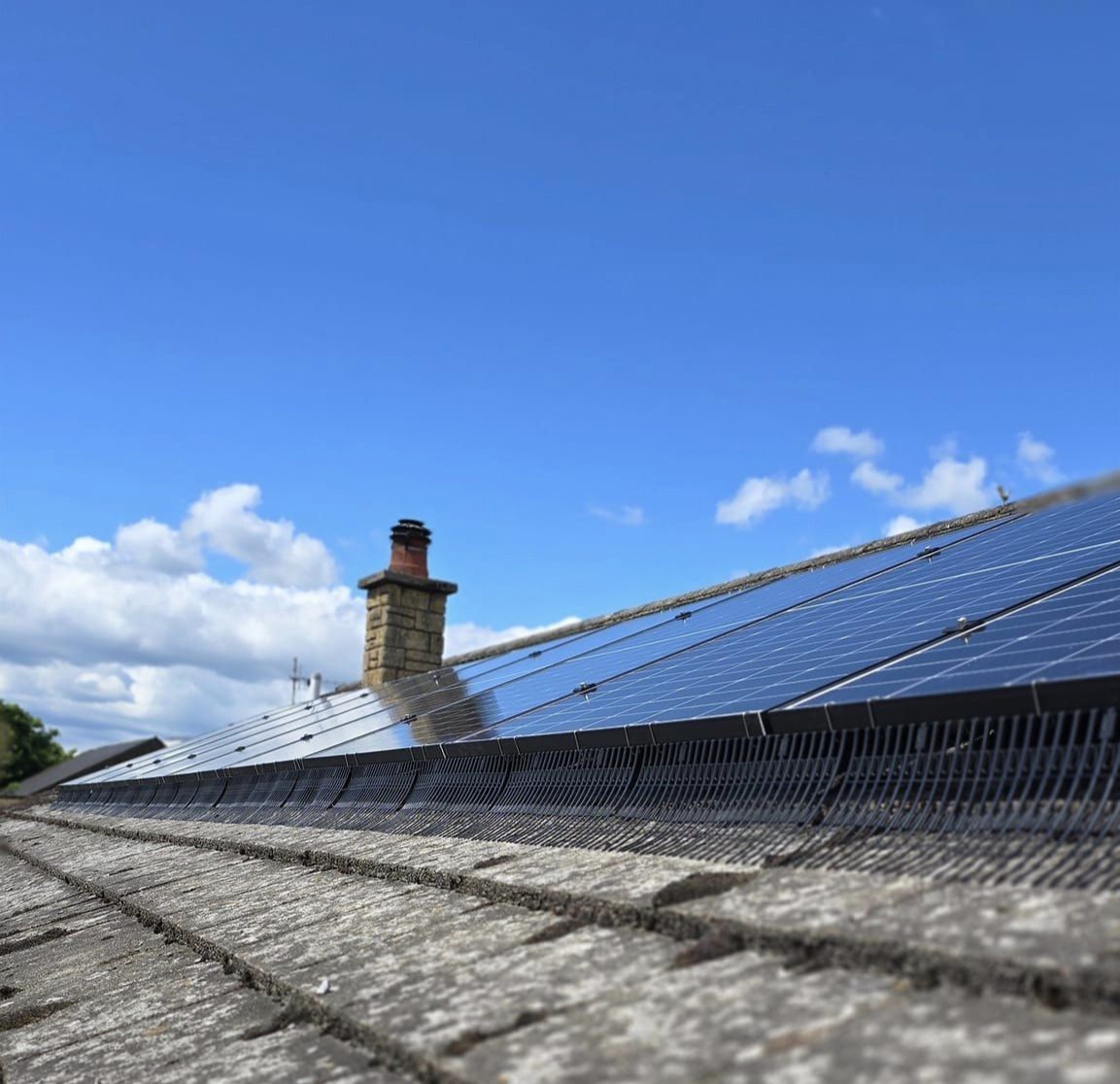
First things first, let’s dive into the definition, history and workings of solar PV technology to give you a starting point on the system.
What is solar PV?
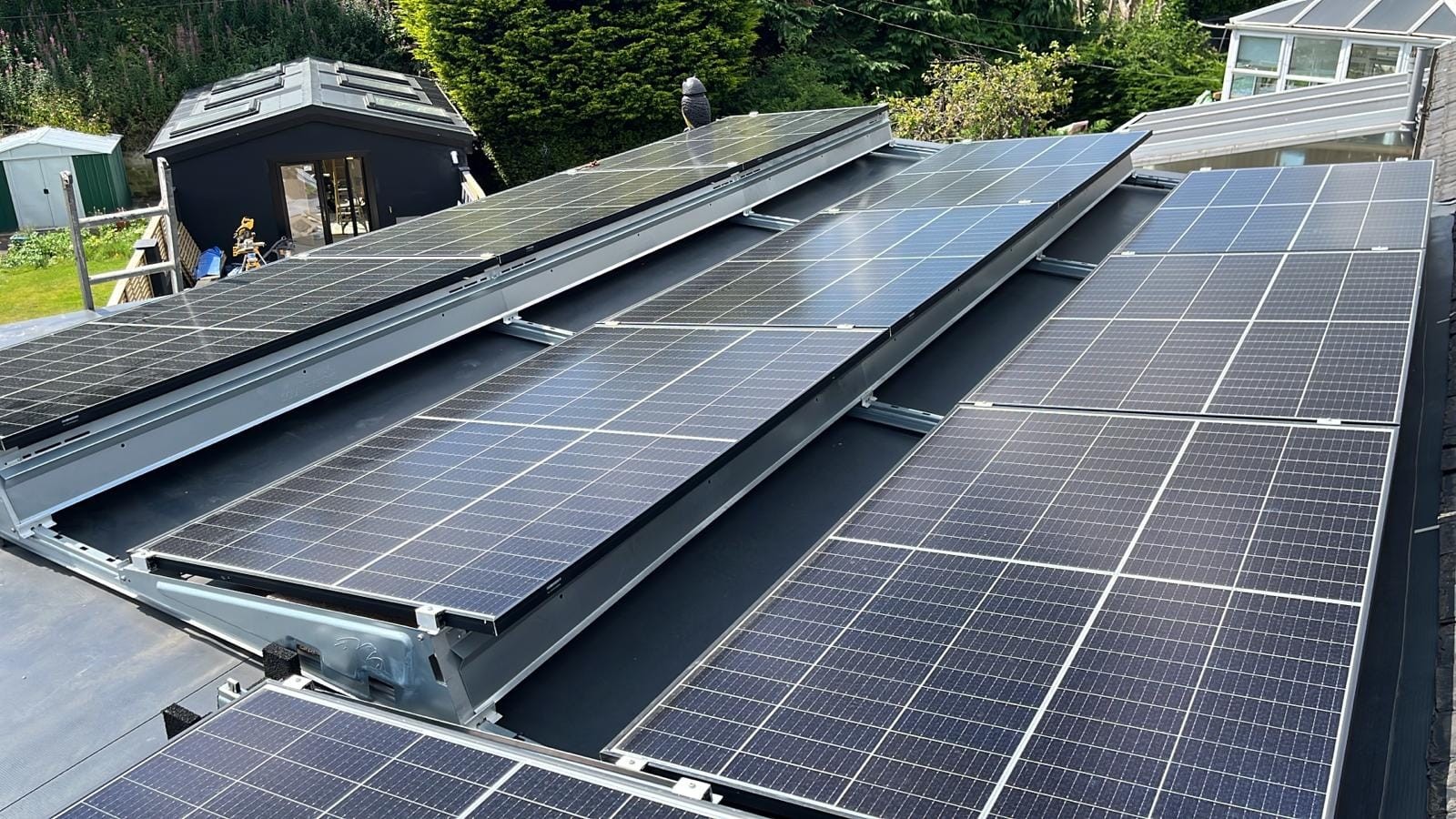
Solar photovoltaic (PV) technology directly converts sunlight into electricity using semiconductor materials known as photovoltaic cells. Solar cells, manufactured from materials that absorb light energy – such as silicon-based PV – convert sunlight directly into electricity. These cells absorb the sun’s energy and create an electric current that can be used for a variety of purposes. In layman terms, they convert the energy from the sun to usable electrical power without releasing any greenhouse gasses or pollutants.
History and development
The concept of photovoltaics is over 100 years old and the technology dates back to the 19th century when a French physicist, Edmond Becquerel found the photovoltaic effect. But it wasn't until the 1950s that pragmatic solar cells were created, with silicon-based PV cells first made ready to sell on the market in the mid-20th century.
Solar PV technology is now cheaper and more efficient than it was a couple decades ago as advancements in materials, science and manufacturing techniques have improved. Major breakthroughs have included thin-film solar cells, high-efficiency multi-junction cells and dramatic price reductions.
Most solar panels today are made using crystalline silicon, which now makes up over 98% of the global market. In recent years, there’s been a major shift toward monocrystalline panels, which are more efficient and take up less space.
Newer technologies like PERC (Passivated Emitter and Rear Cell), which improves how solar cells capture and convert sunlight, and TOPCon (Tunnel Oxide Passivated Contact), which further boosts energy conversion efficiency, are becoming the new industry standard. These innovations mean modern solar PV systems generate more electricity, last longer, and offer stronger returns on investment than ever before.
How solar PV works
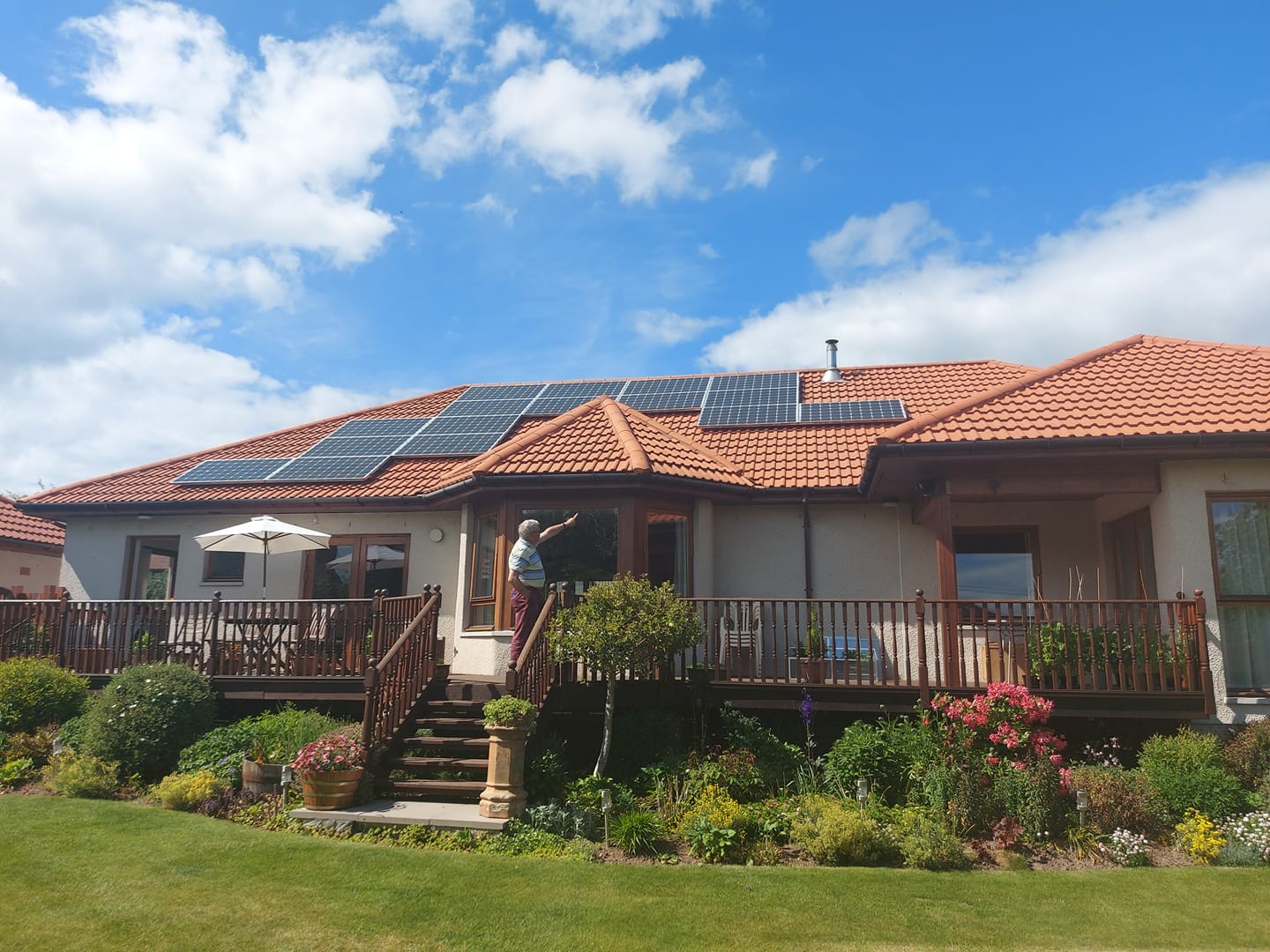
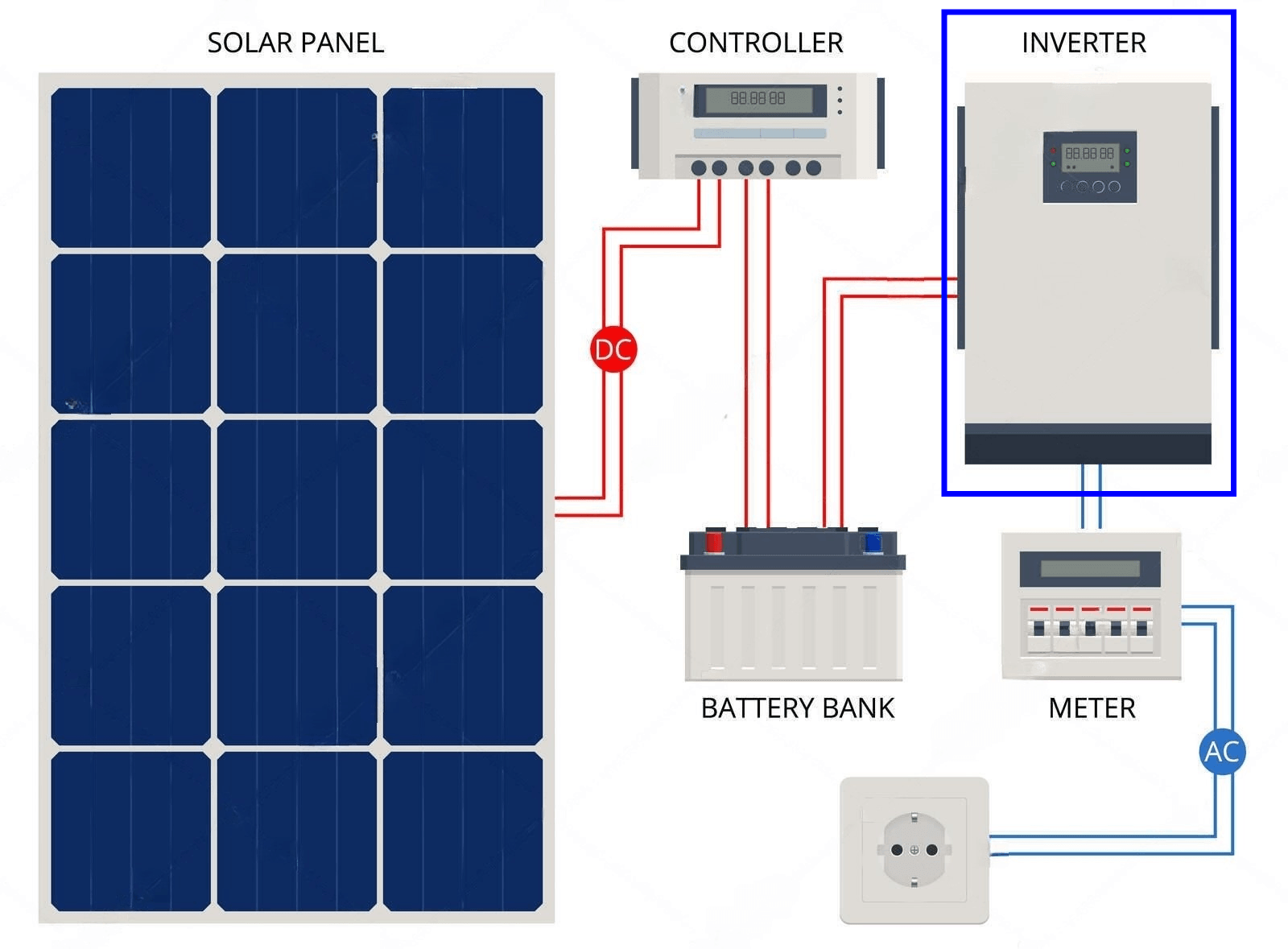
A solar PV system has several key components. At its core, a solar power system consists of simple building blocks called solar cells made up of silicon that generate electricity when exposed to sunlight. These cells are arranged in solar panels which can be mounted on roofs or other surfaces. The electricity generated is direct current (DC) electricity and needs to be converted into alternating current (AC) by an inverter so that it can be used with home or grid compatible equipment. Mounting systems ensure that the panels stay secure, and they can be fixed or movable to get optimal sun exposure.
When sunlight strikes the solar cells, they induce an electric charge using a small process called The Photovoltaic Effect. Sunlight contains photons, which cause the semiconductor material to release electrons when they strike it. This electricity produced is then captured and used by solar PV. When this current is collected and harnessed, it can be used as electricity. The quality of the solar cells and how much sunlight they receive will affect this conversion. The global expansion of solar PV capacity, including both utility-scale and rooftop installations, is crucial for meeting future energy demands and ensuring a balanced distribution of solar power systems.
Why solar PV is BOOMING now
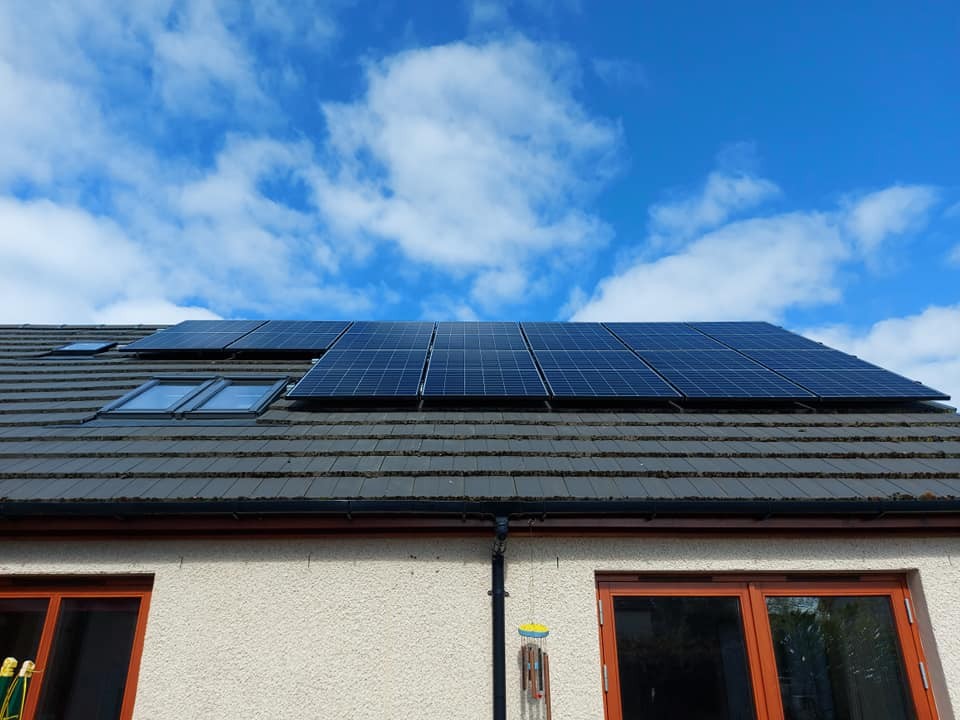
Solar PV is not just a promising technology — it's already leading the charge in the global shift to clean energy. Between 2018 and 2023, global solar capacity tripled, driven by falling costs and strong government incentives. As solar becomes more accessible, both households and businesses are adopting it at scale.
Record-breaking growth in 2023
In 2023 alone, solar PV electricity generation grew by 320 terawatt-hours (TWh) — a 25% jump from 2022. This pace puts the industry firmly on track to meet global clean energy targets of around 9,200 TWh/year by 2030, up from about 1,600 TWh/year today.
Global adoption is skyrocketing
Solar PV is forecasted to account for nearly 80% of all renewable capacity additions by the end of the decade. Expect more large-scale solar farms and a sharp increase in rooftop installations on both homes and commercial buildings.
Projected dominance by 2029
China, the U.S., and the EU all saw record-breaking growth in 2023 — with China alone adding over 260 GW of capacity. In Europe, solar installations jumped 45%, driven by energy security goals. Globally, it’s clear: solar isn’t the future — it’s the now.
Government support is making solar more accessible than ever
Governments around the world are backing solar PV with serious funding and long-term targets — and the UK is no exception.
In Scotland and across the UK, there are various grants, interest-free loans, and incentives available to support homeowners and businesses in switching to solar. At the same time, global investment and innovation are driving down installation costs and improving system performance.
What this means for you:
- Access to Home Energy Scotland grants and loans (up to £7,500 each for solar and battery systems)
- Eligibility for ECO4 funding if you're on qualifying benefits
- Lower system costs as global supply expands and tech improves
- Faster ROI thanks to rising energy prices and long-term savings
Global leaders in solar expansion
- China led the charge in 2023, responsible for around 50% of global solar capacity growth.
- The European Union and United States followed with strong expansions backed by energy independence goals and incentives.
- A competitive global supply chain helped drive PV module prices down by 50% in just one year.
What needs to happen next
To stay on track with clean energy targets, the solar industry needs to grow by about 28% per year through 2030. That means continued investment, better technology, and long-term policy support — all of which are well underway.
Solar PV is attracting massive investment
In 2023, global solar PV investments jumped by 30%, hitting over $480 billion — more than any other power generation tech. This record-breaking trend isn’t just for energy giants. Governments, businesses, and households are backing solar PV because it’s more cost-effective and accessible than ever before. That means better technology, stronger incentives, and faster returns — for homeowners and business owners alike.
Rooftop solar is on the rise
While utility-scale solar is growing fast, nearly half of all new solar capacity now comes from homes and businesses. With installation costs dropping and rooftop space readily available, more property owners are going solar than ever before.
Why this matters for YOU as a home or business owner
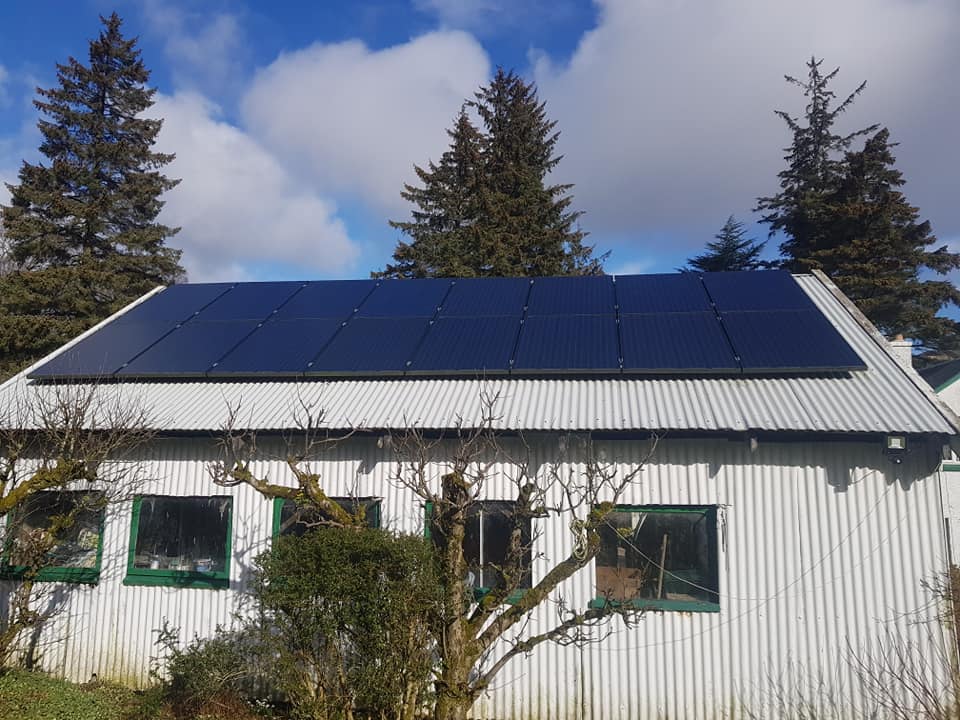
The rapid growth of solar PV isn’t just a global headline — it’s a real opportunity for you. Here’s why it matters:
- Lower Costs: With PV prices dropping by up to 50%, solar is now more affordable than ever — meaning lower upfront costs and faster ROI.
- Energy Independence: Whether you're a homeowner or business owner, solar reduces reliance on the grid and shields you from rising energy prices.
- Government Incentives: Many regions offer grants, tax credits, or feed-in tariffs, making solar even more financially attractive.
- Increased Property Value: Homes and commercial properties with solar systems often sell for more and are seen as future-proof investments.
- Sustainability Reputation: Businesses benefit from showing commitment to green energy — attracting eco-conscious customers and partners.
Solar PV isn’t just a smart move for the planet. It’s a smart move for your wallet, your energy future, and your long-term value.
Types of solar PV systems
There are three main types of solar PV systems you can choose from for your property:
Grid-tied systems
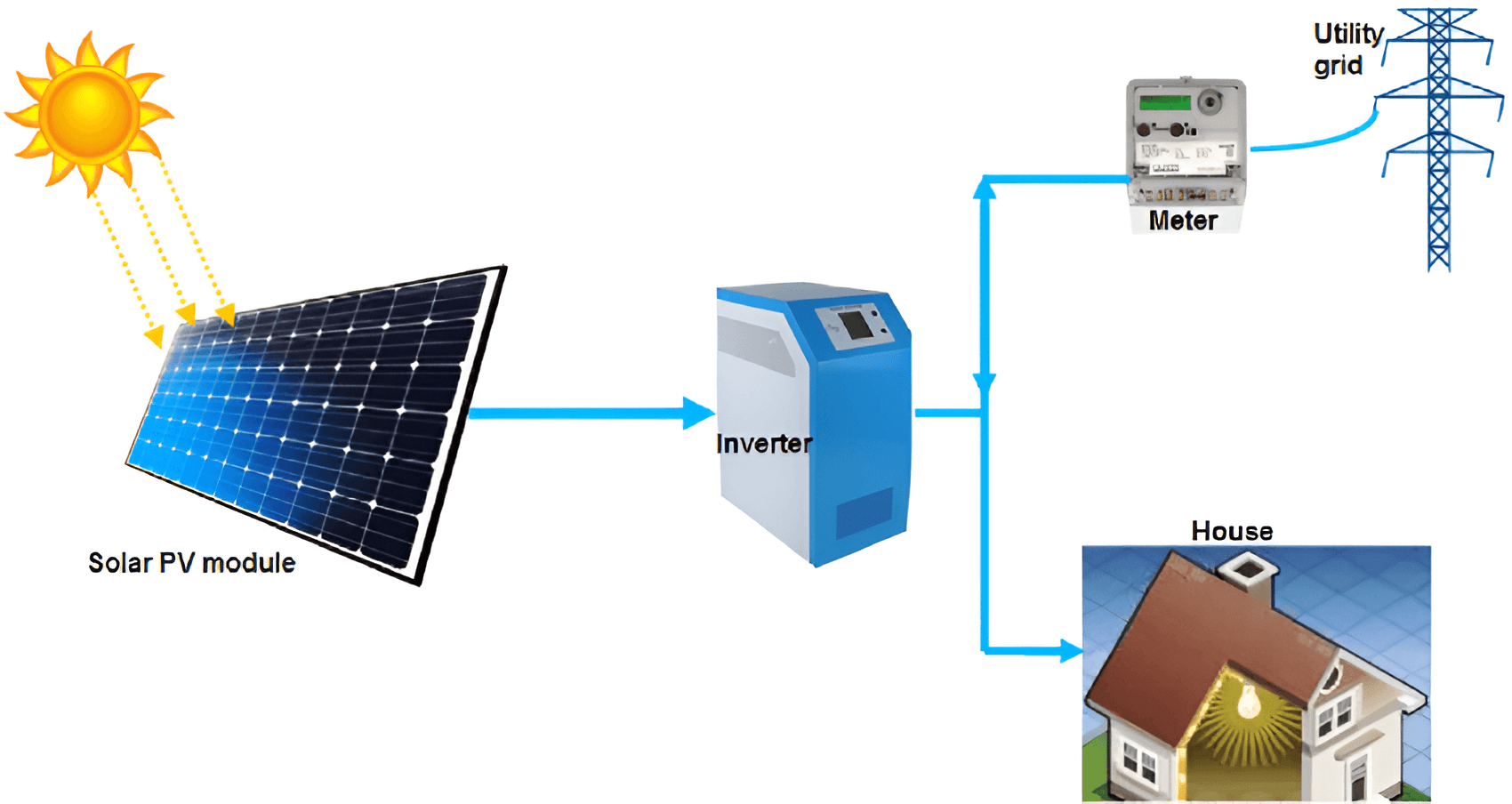
The first type is known as grid-tied solar PV systems, in which an array of the photovoltaic solar cells are connected to the public electricity grid and can flow seamlessly with the solar energy so that if there is no sun from wherever the panels are, you can still get power. These systems produce electricity from the solar panels and any leftover energy flows back to the utility company, usually provided as credits or payments in return for net metering.
The main advantages will be lower electricity bills, low to no requirement for battery storage and an ability to use the grid at times when solar production is insufficient. Grid-tied systems also help the grid be less stressed and are usually easier on your wallet overall because you won’t need as many batteries.
Off-grid systems
Off-grid systems, which consist of interconnected photovoltaic systems, do not connect to a utility grid, making them the preferred choice for regions that are too far from power lines or are without reliable grid access (rural and remote locations). Solar panels and banks of batteries can be used to generate electricity, making these systems self-reliant.
The benefits include way more energy dependence as well as allowing homes or buildings to save money in regions where attaching to the grid would be inconveniently expensive. For example, in developing regions or locations far from traditional energy sources.

Hybrid systems
Hybrid solar PV systems incorporate the best of both grid-tied and off-grid designs providing independence alongside intelligent reliance. These systems can be grid-tied to a utility connection while also including battery storage for power backup in case of outages and the capability to store any excess solar energy generated.
Hybrid systems are better for those who want the security of grid power along with battery backup. They can be especially beneficial within power-outage-prone areas or for those interested in optimizing their energy savings (and usage).
Main components of a Solar PV system
You can understand how solar PV systems work a bit better once you understand the different components that make one up.
Solar panels
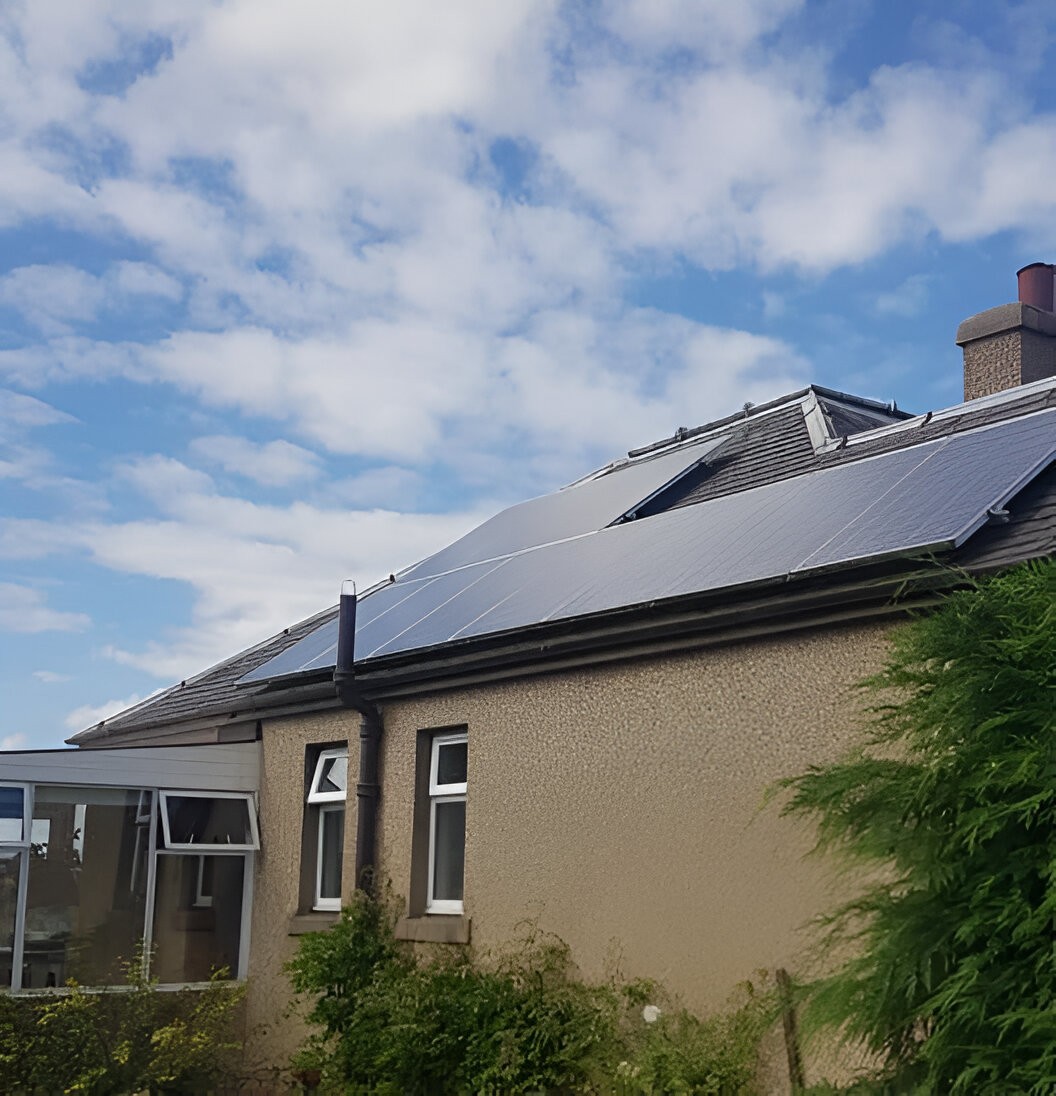
The most important element of a solar PV system are the PV panels, which convert sunlight into electricity. There are three main types of solar panel:
- Monocrystalline panels: These panels are produced by ensuring the crystal structure is uniform across a single continuous crystal, giving them higher efficiency and sleek black look. They tend to give the greatest capacity per surface area but with a premium cost.
- Polycrystalline panels: A mis-mash of silicon crystals pressed and melted together, polycrystalline cells will be a little less efficient than monocrystalline sets but come at a lower price. They have a distinctive blue color and are suitable for larger installations where space is less of a constraint.
- Thin-film panels: These panels are made by depositing one or more layers of photovoltaic material onto a substrate. The trade off is that they are lightweight, foldable and flexible so these properties can work well in specific applications while typically having a lower efficiency than crystalline panels. Due to their low cost per watt, they are frequently used in large-scale installations.

Inverters
Solar Inverters are very important components of a solar PV system since they convert the direct current (DC) that is generated by solar panels to alternating current (AC), which almost all home appliances work on, and also feed power back into the grid. There are three types of inverters:
- Solar Inverters are very important components of a solar PV system since they convert the direct current (DC) that is generated by solar panels to alternating current (AC), which almost all home appliances work on, and also feed power back into the grid. There are three types of inverters:
- Polycrystalline panels: A mis-mash of silicon crystals pressed and melted together, polycrystalline cells will be a little less efficient than monocrystalline sets but come at a lower price. They have a distinctive blue color and are suitable for larger installations where space is less of a constraint.
- Thin-film panels: These panels are made by depositing one or more layers of photovoltaic material onto a substrate. The trade off is that they are lightweight, foldable and flexible so these properties can work well in specific applications while typically having a lower efficiency than crystalline panels. Due to their low cost per watt, they are frequently used in large-scale installations.
Mounting systems
Mounting systems are required to hold the solar panels in place. There are two main kinds:
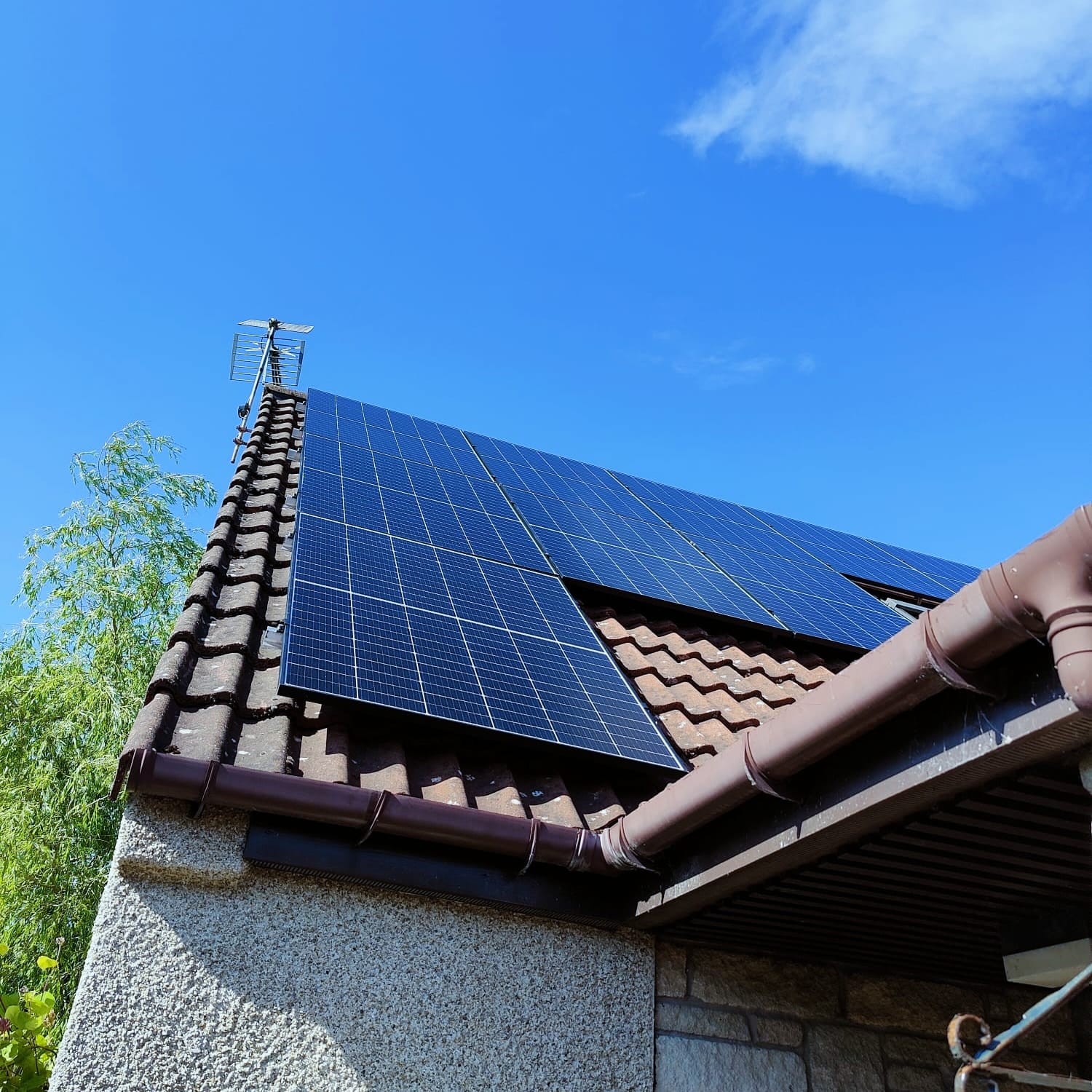
- Roof-mounted systems: These are mounted directly onto the roof structure and work well for residential or commercial installations that have available roof space. They can be flush or raised, depending on the angle for optimal sun exposure.
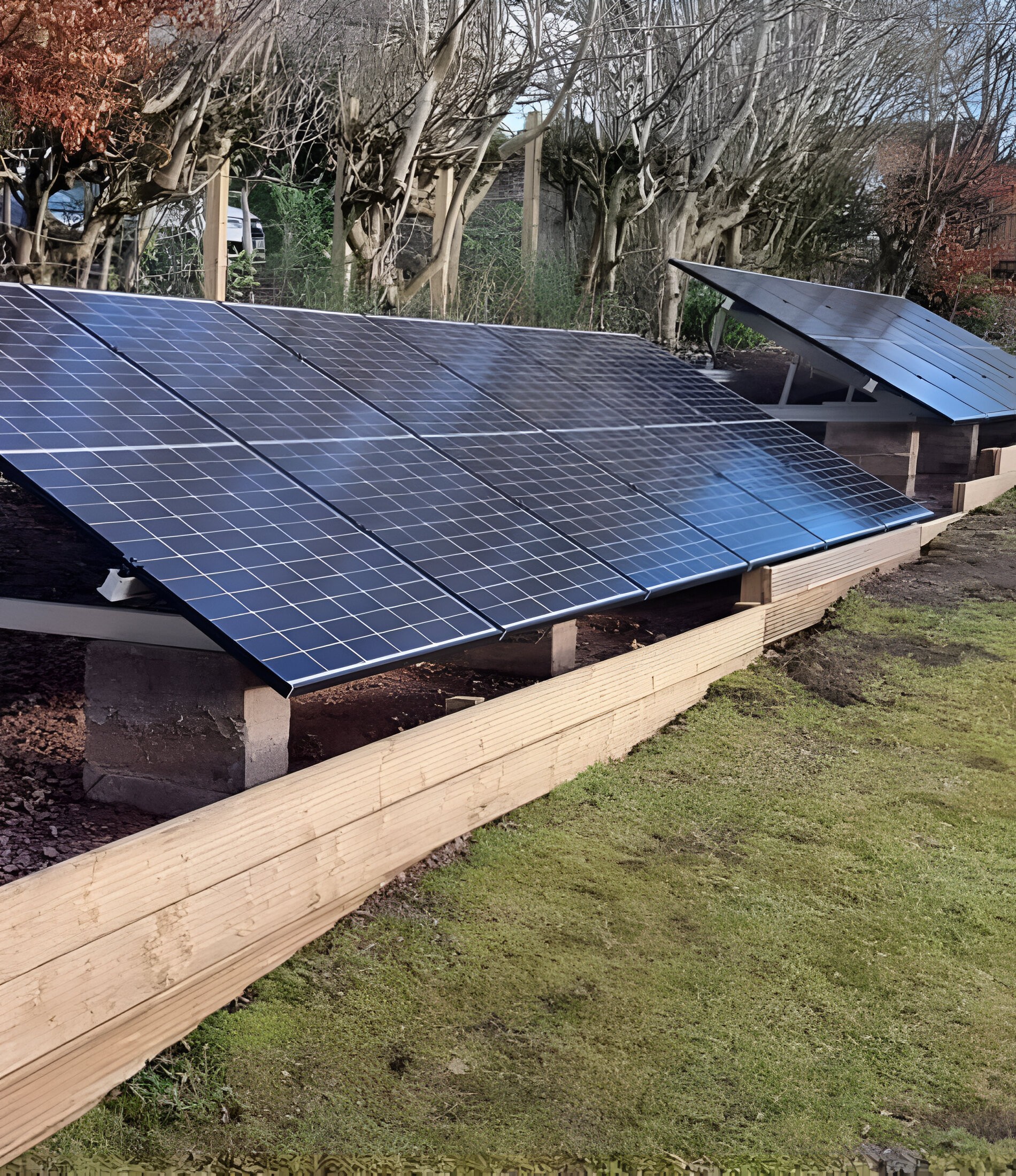
- Ground-mounted systems: These systems are installed on the ground and are commonly used for larger installations with restricted roof space. These panels can be placed in the best location to maximise performance, and there is flexibility as well in positioning.

Batteries (for off-grid or hybrid systems)
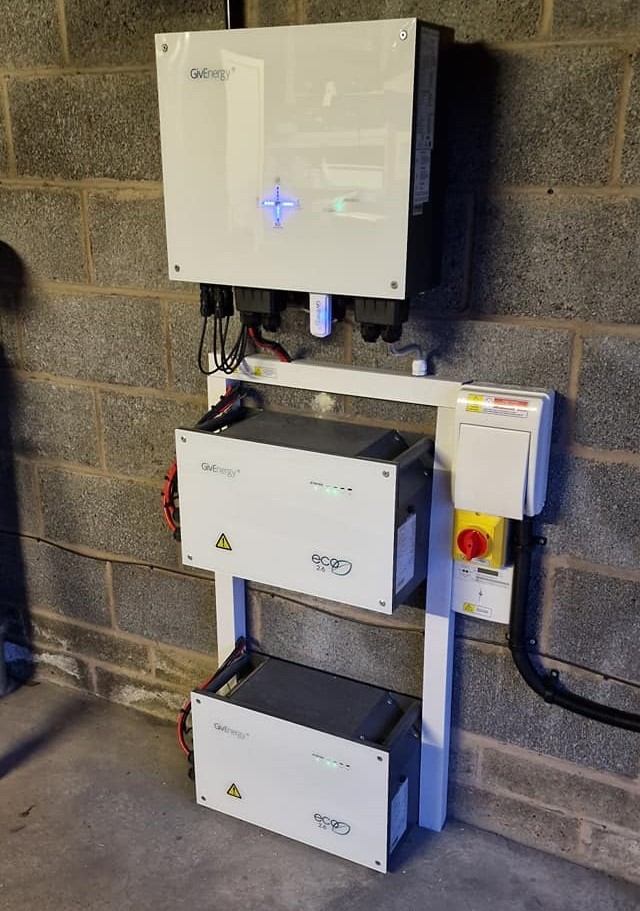
In off grid or hybrid solar PV systems, batteries are specially needed because they store excess energy to be used when sunlight is not available. These are the main types of batteries:
Lead-acid batteries: LA batteries are an older technology, but they are also less costly and have a long-established track record in the industry. They have two main styles: wet and sealed. Flooded batteries need to be maintained regularly whereas sealed batteries require low or no maintenance.
Lithium-ion batteries: Replacing the outdated lead-acid batteries, lithium-ion batteries are becoming more popular thanks to their high energy density rating and much extended lifespan with little maintenance required. They are pricier, albeit more performant and efficient.
Flow batteries: Flow batteries are a more recent innovation, in which energy is being used to store the electrolytes as liquid where one tank must be stored as a positive charge and other negative. They provide the benefit of higher energy density with a long life cycle but are typically costlier and more complex.
Installation and maintenance
Once you’ve chosen the type of solar panel system you want, including the panels, the batteries, and more, it’s time for installation. Here are the main steps for installation and maintenance once done.
Initial assessment and site evaluation
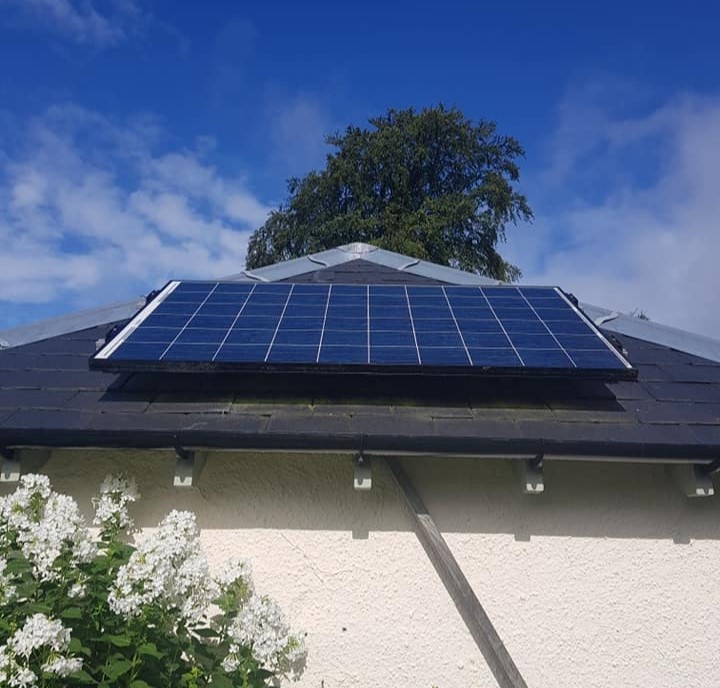
The process starts with an initial site visit to assess the land where the solar PV system needs to be installed. Solar panels cost can vary significantly based on factors such as existing scaffolding, installation variations, and the need for multiple quotes from MCS-certified installers. This includes considering roof angle and direction, overshading from trees or buildings, as well the condition of the roof or if mounting to a ground-mounted rack is needed. A local solar installer will take into account the specific climate and weather patterns in your region to maximise system performance.

Design and engineering considerations
After the site assessment, a comprehensive design and engineering plan is finalised. This entails what kind and how big your solar PV system will be, where you should put the panels and lastly, the inverter. It also will provide an electrical system integration design for the infrastructure, ensuring that the prototype is compatible and can meet your energy needs.
Permitting and regulations
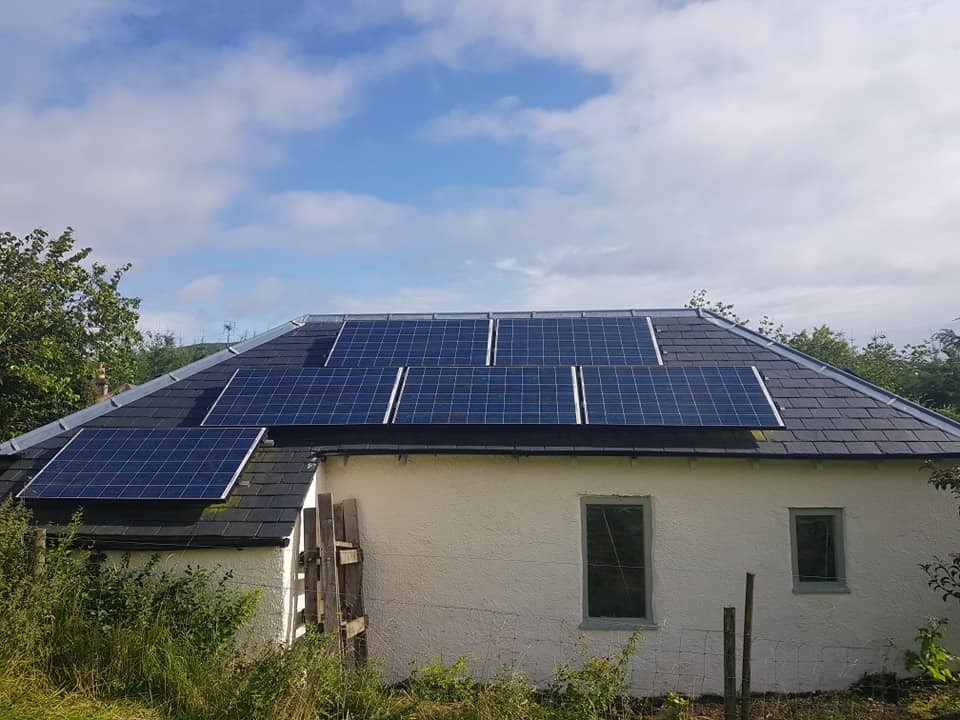
You need to obtain the permits necessary for installation, along with following all local regulations. This could include getting plans approved by local building authorities, securing permits for electrical and other tasks, complying with zoning ordinances and codes as well as meeting safety standards. This step is to certify that the installation process complies with current building regulations, amongst other requirements.
Installation steps and timeline
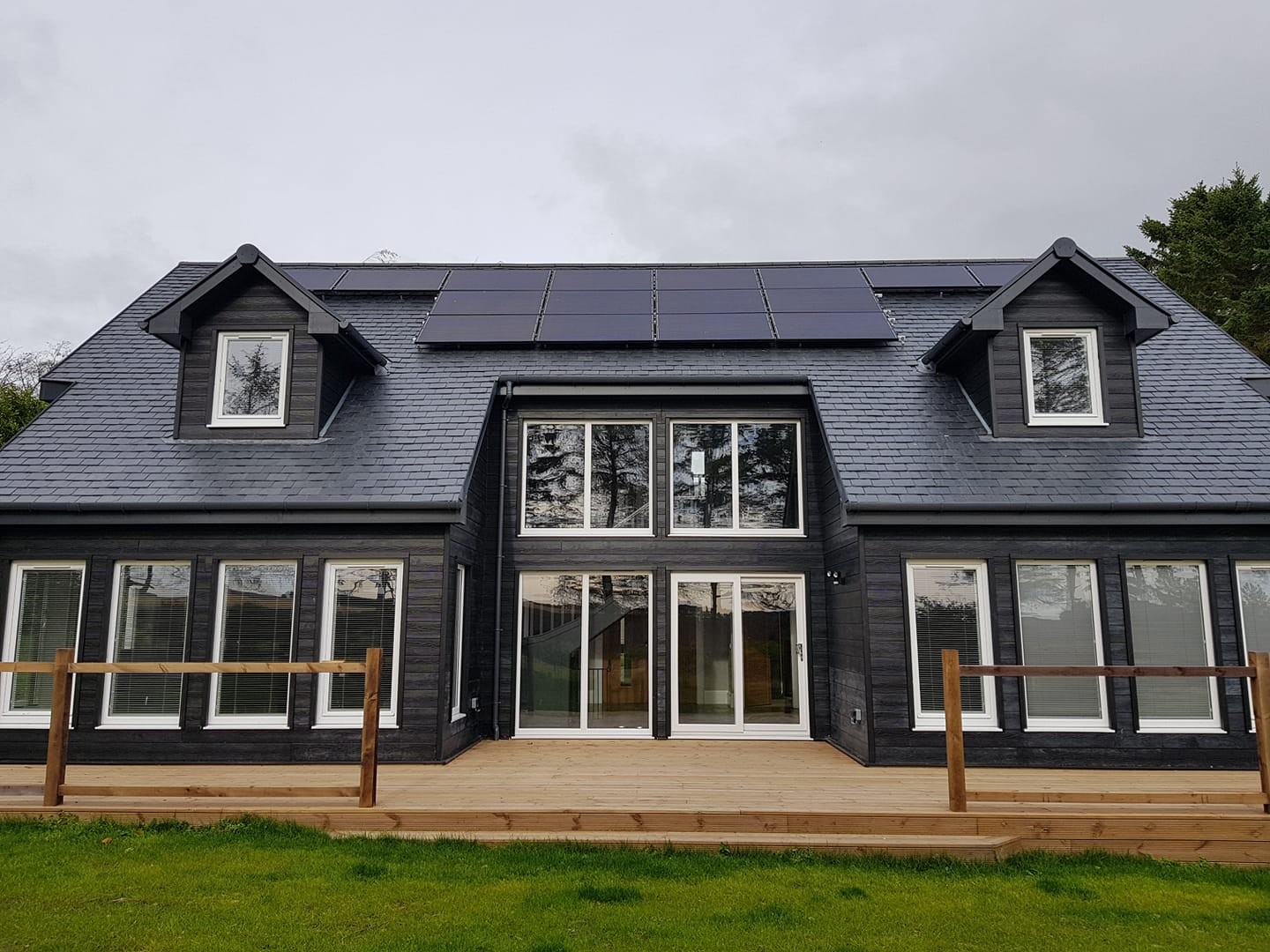
The installation itself includes multiple critical steps to actually mount the panels, install the inverter and other electrical components as well as also connect your system to the grid or battery storage. It normally takes some days to a couple of weeks for system installation depending on the number of systems and type. It also involves system testing and commissioning to ensure everything functions correctly.
Maintenance requirements
The life expectancy of a solar PV system is long but to ensure longevity the equipment needs occasional maintenance. Unlike solar thermal systems, which are primarily used for efficiently heating water, solar PV systems convert sunlight into electricity. This includes looking for and making sure panels are not loose or falling off, and checking that all electrical connections adhere to safety regulations. Periodic cleaning of the panels can clear them from dirt, dust and other debris that stops or interrupts efficiency.
You might face trouble like lower energy generation, inverter issues or shade on the system. These issues can be identified early by regular monitoring of system performance using various tools, or by working closely with an expert.
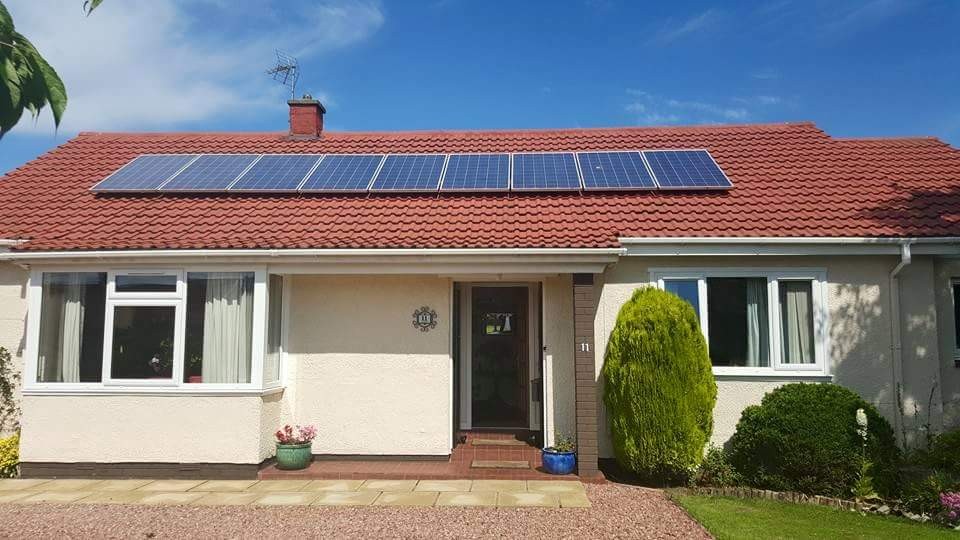
Always schedule professional inspections to make sure your system is well oiled and running at full capacity. Moreover, keeping up with technology updates and correct maintenance practices can give way to better system performance. With the right care and maintenance, you can ensure the prolonged life of the solar PV system as well as get more out of it.
Conclusion
Solar PV is a useful system, helping people rely less on the main grid and live more sustainably. However, if you want a well working system, you need to work with experts who have the best equipment and know what to do.
Scottish Energy Saving are your experts in solar PV and can help ensure you have the right system. Contact us today for a free, no-obligation energy assessment and quote.