
How Does Solar Battery Storage Work? The Ultimate Guide
September 4, 2024
How does infrared heating work? Explained: Benefits, Costs, and How to Install Panels
October 11, 2024Key Takeaways
- Air source heat pumps are an efficient renewable energy system that extracts heat from the air to provide heating and cooling for homes.
- ASHPs reduce energy bills, lower carbon emissions, and qualify homeowners for government incentives, making them a sustainable and cost-effective choice.
- They require proper installation and placement for optimal performance, such as a well-ventilated location.
- Routine maintenance includes cleaning filters and clearing debris, with professional servicing recommended annually.
- Government incentives and rebates can help offset the initial costs, making ASHP installation more affordable.
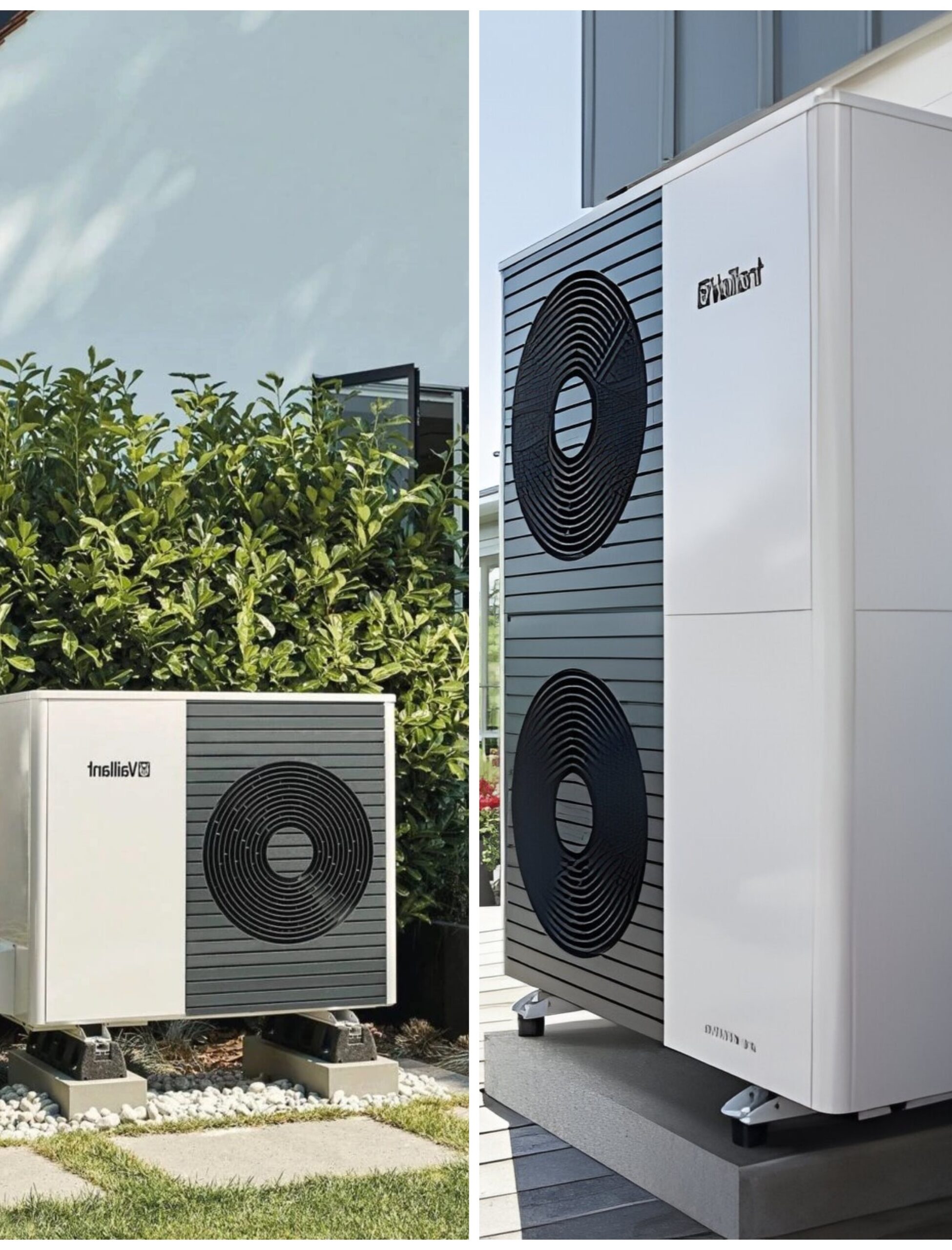
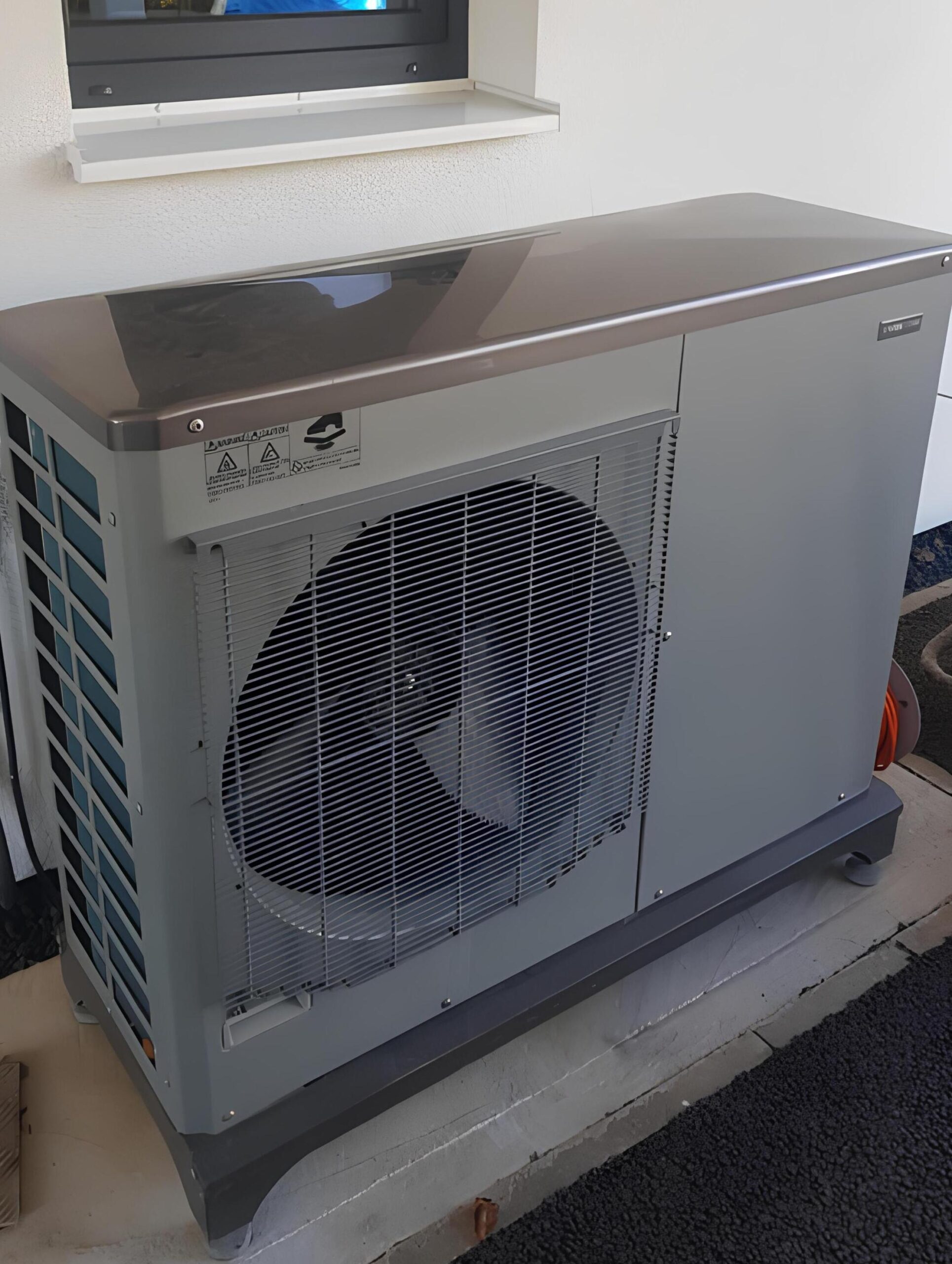
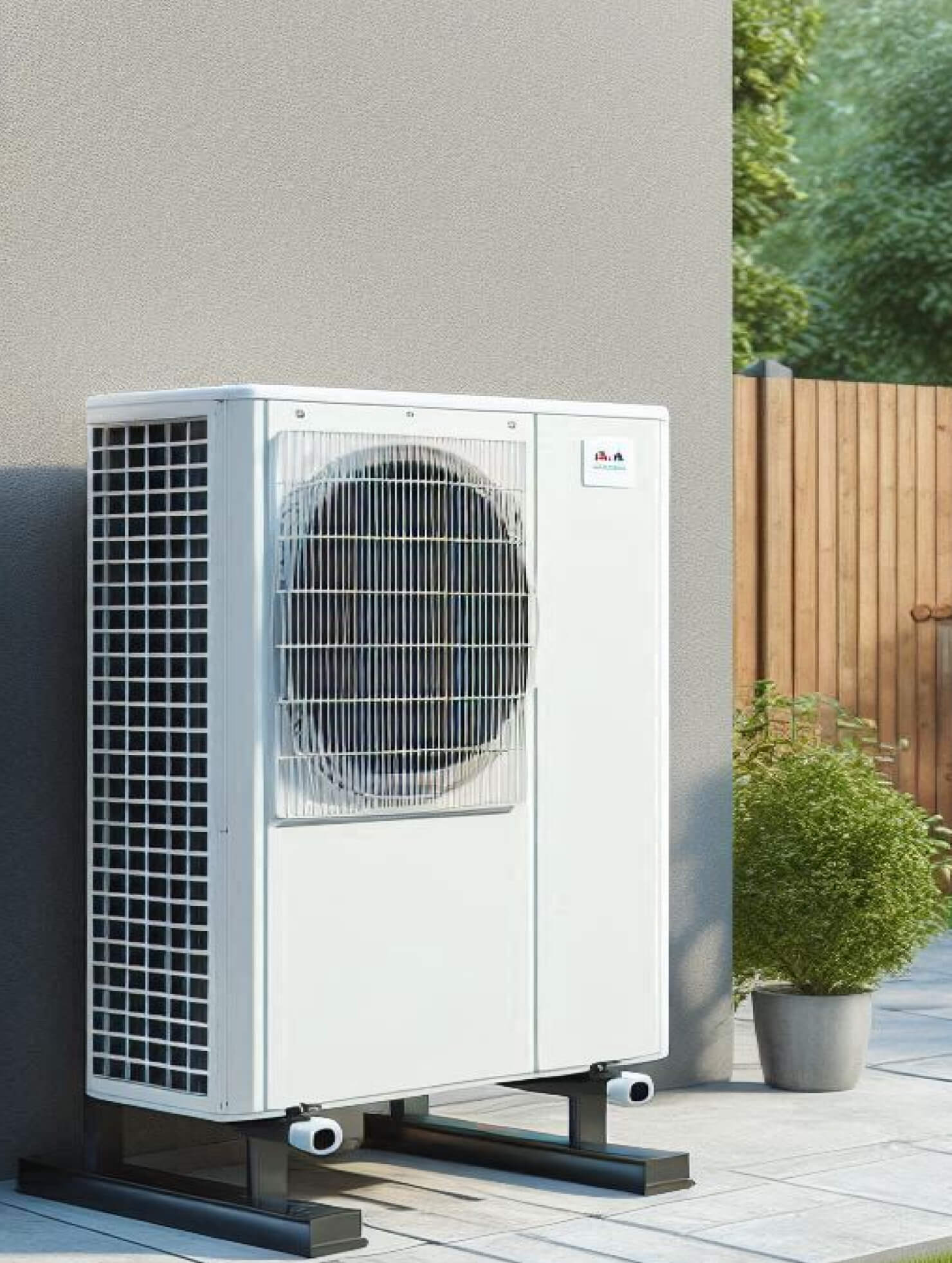
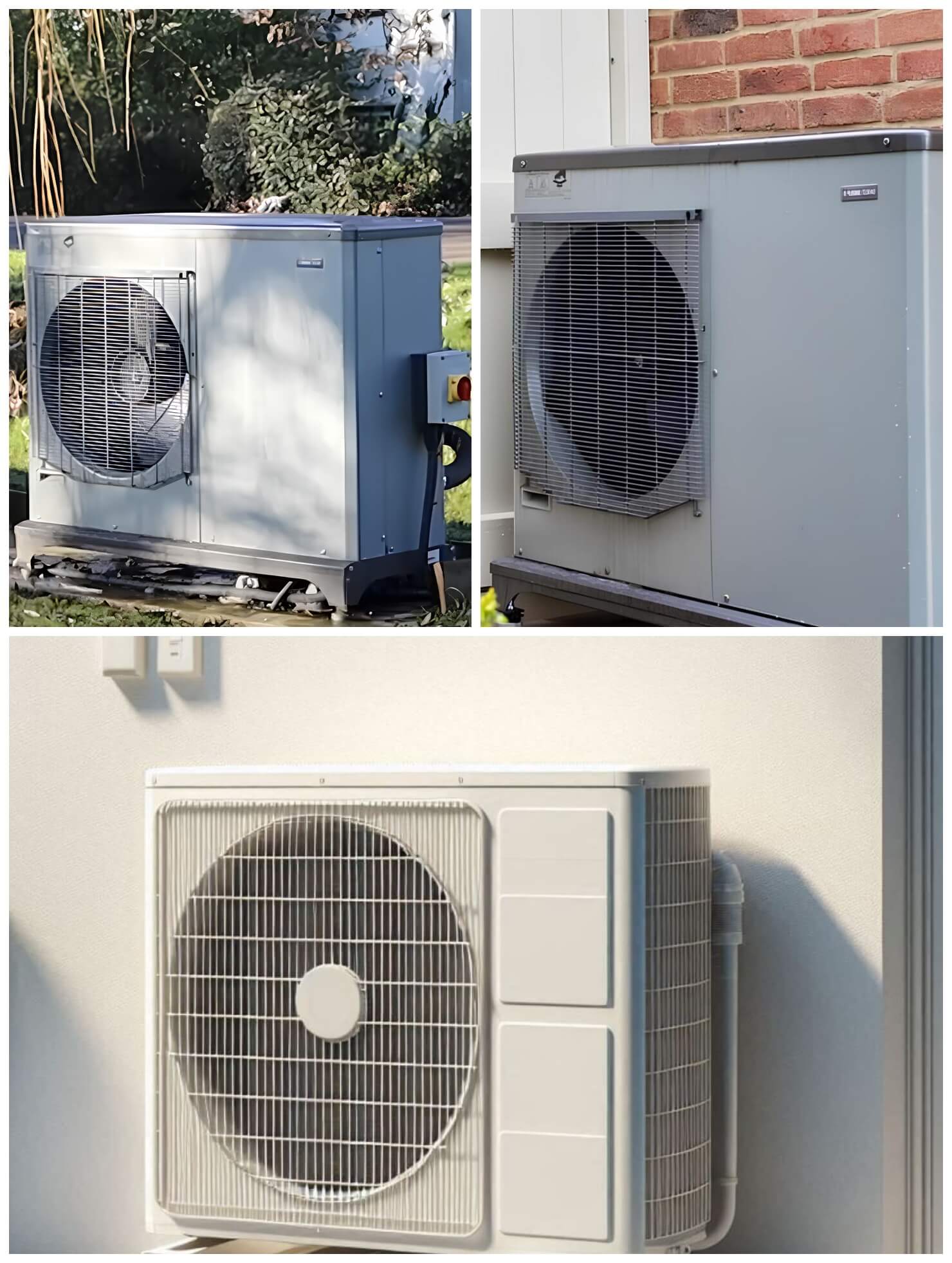
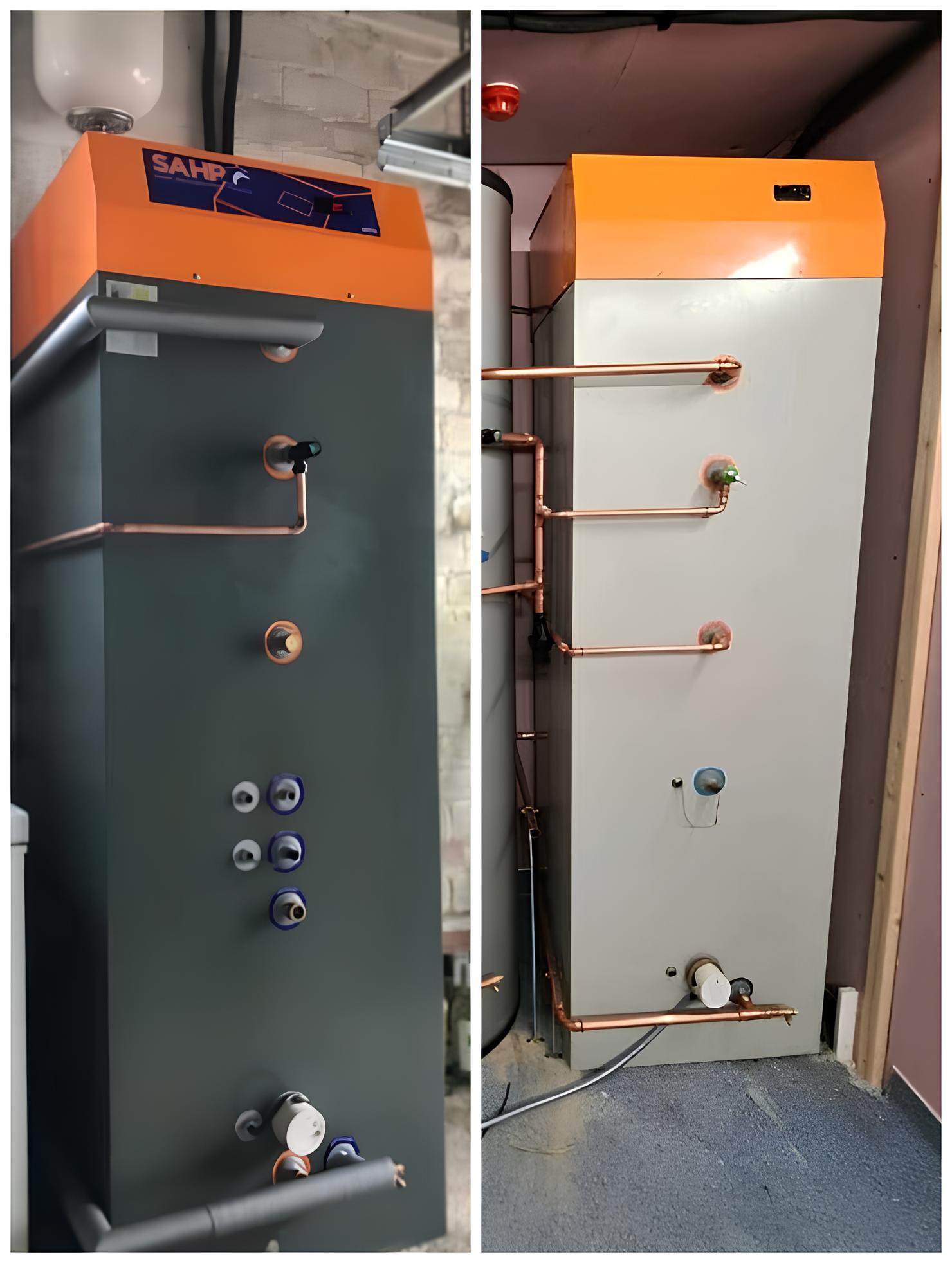
Air source heat pumps (ASHPs) are a renewable energy system, which extracts heat from the outside air to provide heating and hot water in homes. As heat is transferred rather than generated through combustion, it means ASHPs offer a far more efficient and greener option to traditional heating systems.
Homeowners save on their energy bills, can reduce carbon impact and qualify for government incentives. An ASHP can work in colder climates and becomes a viable heating option for other homes while decarbonising the space heating sector. The fact that they can both heat and cool homes definitely makes a valuable addition to your functionality.
Table of Content
What is an air source heat pump?

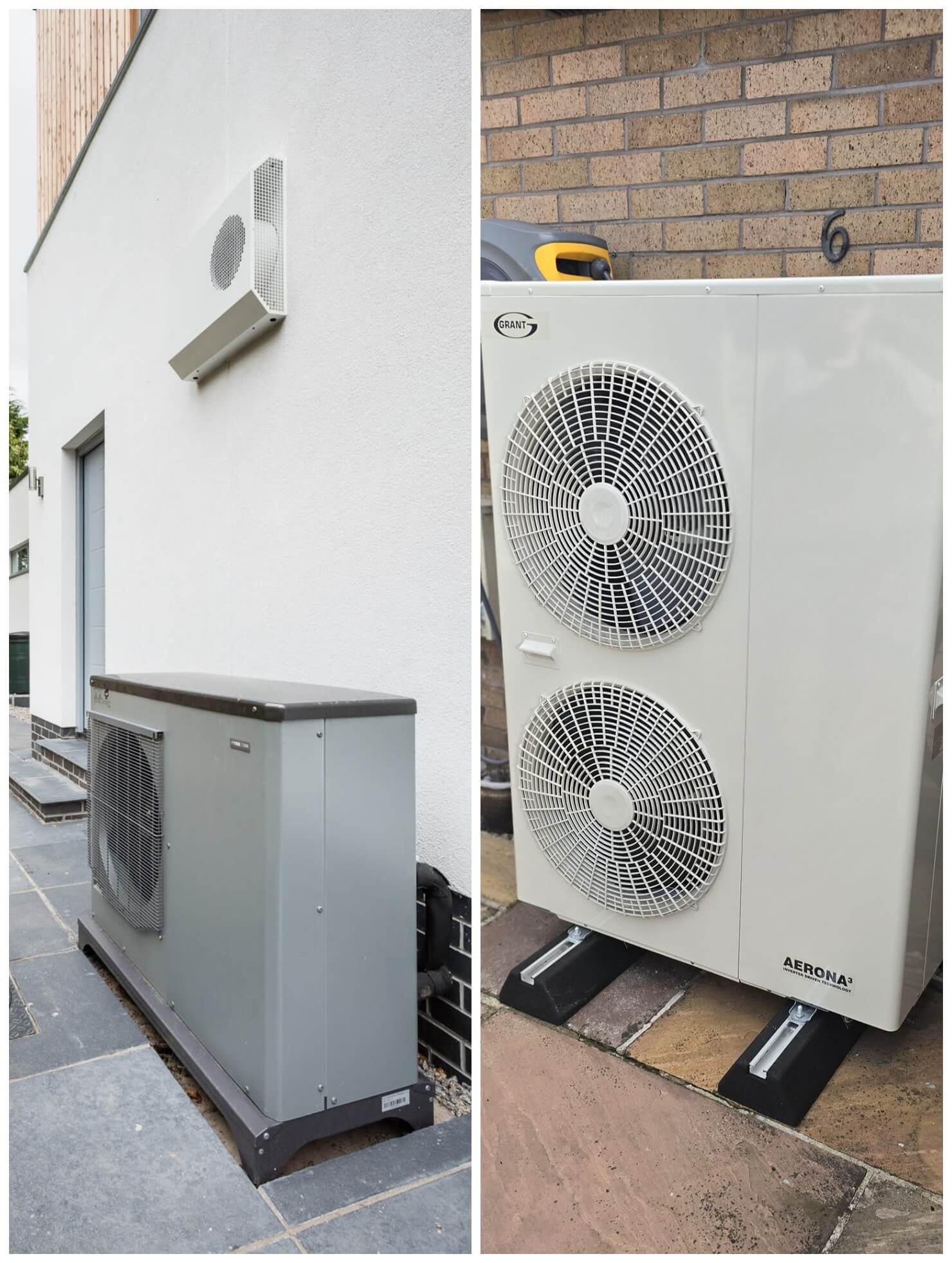
An air source heat pump is a system that absorbs heat from the outside and uses it to help warm or cool your home. Based on refrigeration, a refrigerant absorbs heat by undergoing evaporation and releases it via condensation. The two main types of heat pumps include air-to-water (transfers heat to a water-based central heating system) and air-to-air (transfers heat to the indoor air).
Each provides environmentally friendly, efficient heating and cooling for a spectrum of residential home heating needs and geographical locations. ASHPs can be utilised to ensure that indoor temperatures are kept at comfortable levels using ambient air, which is a plentiful and renewable source.
Benefits of air source heat pumps
There’s a reason many people are turning to using air source heat pumps, and here are some of the main benefits:

Energy efficiency and cost savings
Air source heat pumps are amongst the most efficient heating systems, typically providing between 3 and 4 units of heat for every electric unit that they consume. Again, this translates to far lower heating bills compared with older-style heaters, as these are very efficient methods of warming up the home.
With less demand for electricity to heat your home and smaller utility bills, the savings will easily be able to cover the initial investment costs in an ASHP. This makes it a relatively cost-effective option for heating and cooling over generations. Smaller monthly utility bills add to financial relief, allowing for more predictability in household costs.
Environmental impact and sustainability

In its most basic form, an air source heat pump is designed to draw naturally renewable energy from the outside ambient air and produce useful space heating or cooling within a building. They release less carbon emissions than fossil fuel-powered heating systems, in turn reducing your home's overall carbon footprint.
ASHPs, which use electricity instead of a gas boiler or oil boiler to provide space heating, also help reduce air pollution and preserve the environment. By delivering more power than they use, they comply with the worldwide effort to reduce carbon and protect against climate change, which makes them an accountable choice for people who want a sustainable way of living.
Government incentives and rebates
Air source heat pumps are widely used worldwide, and many governments subsidy them with financial incentives and rebates. These programs intend to lower the cost of initial investment and make ASHPs more available for homeowners. Incentives range from tax credits to rebates, and can go toward installation costs, which contribute to an overall affordable investment.
Some areas also offer continued help for energy-efficient upgrades. By participating in these financial incentives, homeowners can reduce upfront costs and save on energy bills. It is worthwhile to investigate local programs to help you get the most financial value out of your ASHP investment.
How does an air source heat pump work?
Air source heat pumps operate by transferring heat energy between the outside air and your home through a refrigeration cycle, making them efficient for both heating and cooling.

The heating cycle
During the heating mode, the ASHP pulls heat from the cold outdoor air. The heat is absorbed by a refrigerant and compressed to raise the temperature. A pump carries the warmed refrigerant through a heat exchanger, transferring heat into your home’s heating system (whether air—or water-based). The refrigerant is then cooled and expanded, and the cycle repeats.
The cooling cycle
Working in reverse (air-to-air ASHPs, for example), the action is reversed and turns into cooling mode. This reduces the temperature inside your home by removing heat from the air in the home and transferring it to outside air. These make ASHPs suitable for year-round climate control in warm and cold season regions.
Key components of an ASHP

- Compressor: Increases the temperature of the refrigerant by compressing it.
- Condenser: Transfers heat from the refrigerant to the air or water system.
- Evaporator: Absorbs heat from the air, converting the refrigerant into a gas.
- Expansion valve: Reduces the refrigerant’s pressure and temperature to restart the cycle.
- Fan: Circulates air over the evaporator and condenser to facilitate heat exchange.
Installing an air source heat pump

Now that you understand what an air source heat pump is and how it works, it’s now time to understand the process to installing one.
Pre-installation considerations
Before installing an air source heat pump (ASHP), several things must be considered. Begin by evaluating the amount of space you have in your outdoor unit; it must be located in a highly ventilated place with appropriate air clearance. Place it (about 7 ft high) away from walls, fences, or any kind of obstruction.
Also, consider how close to your home’s heating system unit is in order to reduce pipework and ensure it operates efficiently. The basement where your unit is installed should be placed away from windows or other properties. Noise levels must also be taken into consideration. Finally, make sure the electrical supply is suitable for the ASHP.
The installation process

When it comes to how an ASHP is installed, a number of steps will be followed, beginning with the outdoor unit being mounted on a solid surface, whether on the ground or using a wall bracket. From here, the installer will then link up the outdoor unit to your internal heating distribution system — whether it is air-based or water-based (radiators/underfloor).
Electrical connections and controls are put in place to ensure the adequate function of these machines. The installer will test the system to ensure it is functioning correctly, and certified professionals will safely handle any refrigerant.
What to expect during and after installation
The installation may take a day or two, depending on the complexity of your heating system (whether underfloor heating or a radiator) and where the unit is to be fitted. Some minor inconveniences may cause less power or turning off the heating while the system is installed.
After installation, the installer will give you a thorough demonstration on how to use and customise settings and maintain your ASHP. When in operation, the system will deliver both heating and cooling, reducing your energy bills overall as time passes. It will also need annual maintenance to ensure it is working properly.
Maintaining your air source heat pump

Proper maintenance of an air source heat pump system ensures optimal performance, energy efficiency, and longevity. Regular upkeep can help prevent costly repairs and extend the system's life.
Routine maintenance tasks
Homeowners should perform simple routine maintenance tasks to keep the ASHP working in good condition. Replace the air filters every 1-3 months to keep your system free of dust so it doesn’t have to work too hard. Remove debris, leaves, or dirt from the outdoor unit so it can breathe easily. Check for visible signs of damage or wear, and make sure to keep the unit unobstructed, whether it be snow in winter or vegetation in spring.
Signs of potential issues
Watch for signs that the ASHP is not operating correctly. Mechanical problems can present with noises when driving, like banging, rattling, or grinding. Any reduction in heating/cooling efficiency or a spike in energy bills can indicate that the system is functioning poorly. If your outdoor unit has ice build-up more than the normal defrost cycles or you can see some kind of leaking liquid around the refrigerant, your air conditioning needs to be serviced.
Professional servicing

The homeowner can handle these routine tasks, but professional servicing is required regarding the technical aspects of maintenance. Have a professional technician perform an annual service to inspect refrigerant levels, electrical connections, and system performance.
The internal components will be checked and may even need to be cleaned out, with some units requiring the compressor/fans to be serviced. Periodic professional servicing will catch and correct minor problems before they have a chance to become major issues, preserving the lifespan of your air source heat pump.
Summary
Air-source heat pumps (ASHPs) are a great, green way to keep your home warm during winter and cool during summer while keeping energy bills low. ASHPs provide year-round comfort and work simply by drawing the heat from a given space in the air, which permits them to function very well at colder temperatures. If maintained and installed correctly, ASHPs also perform optimally, making them an attractive long-term investment for homeowners.
If you're considering installing an air source heat pump, contact Scottish Energy Saving for professional advice and installation services. Our experienced team can help you choose the right system and ensure a seamless air source heat pump installation tailored to your home’s needs. Contact us today for a free no-obligation energy assessment.